
Last updated November 15, 2026
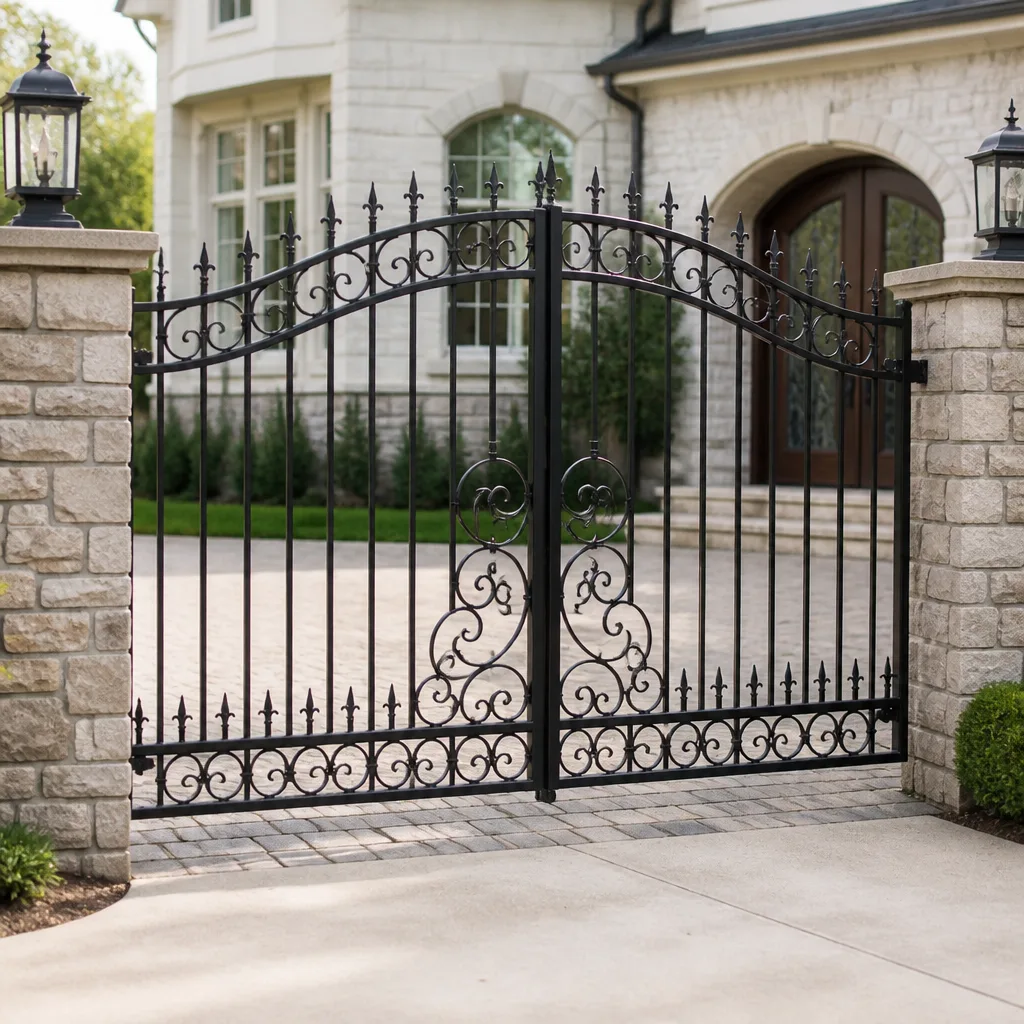 Wrought iron
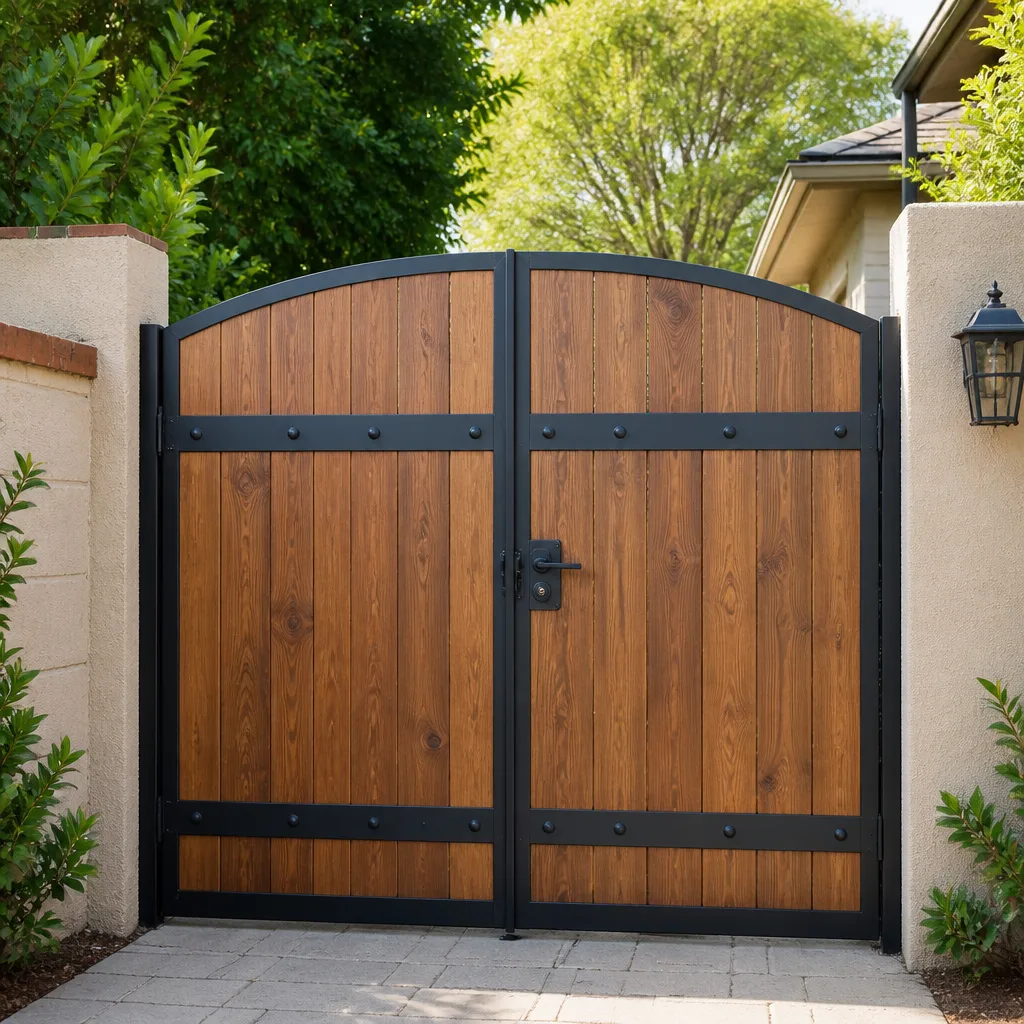 Wood & steel frame
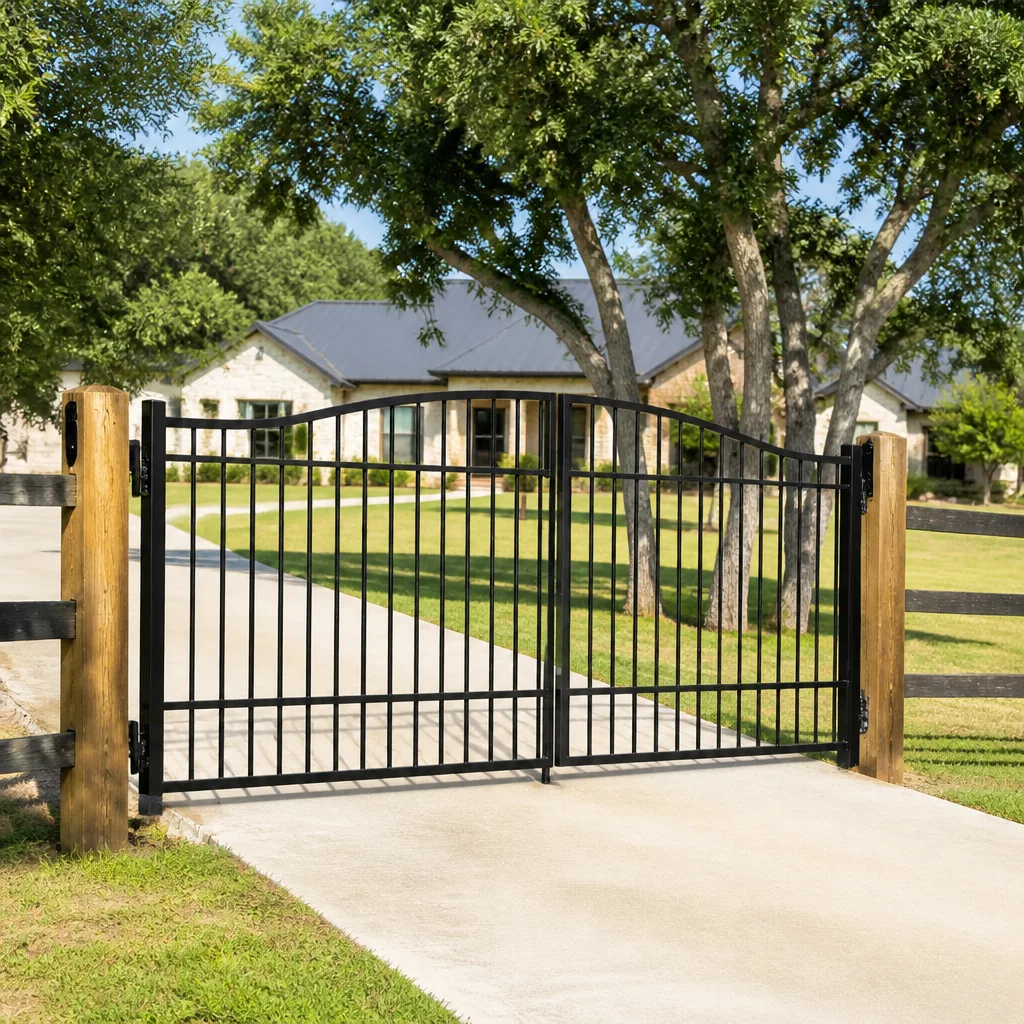 Farm & ranch
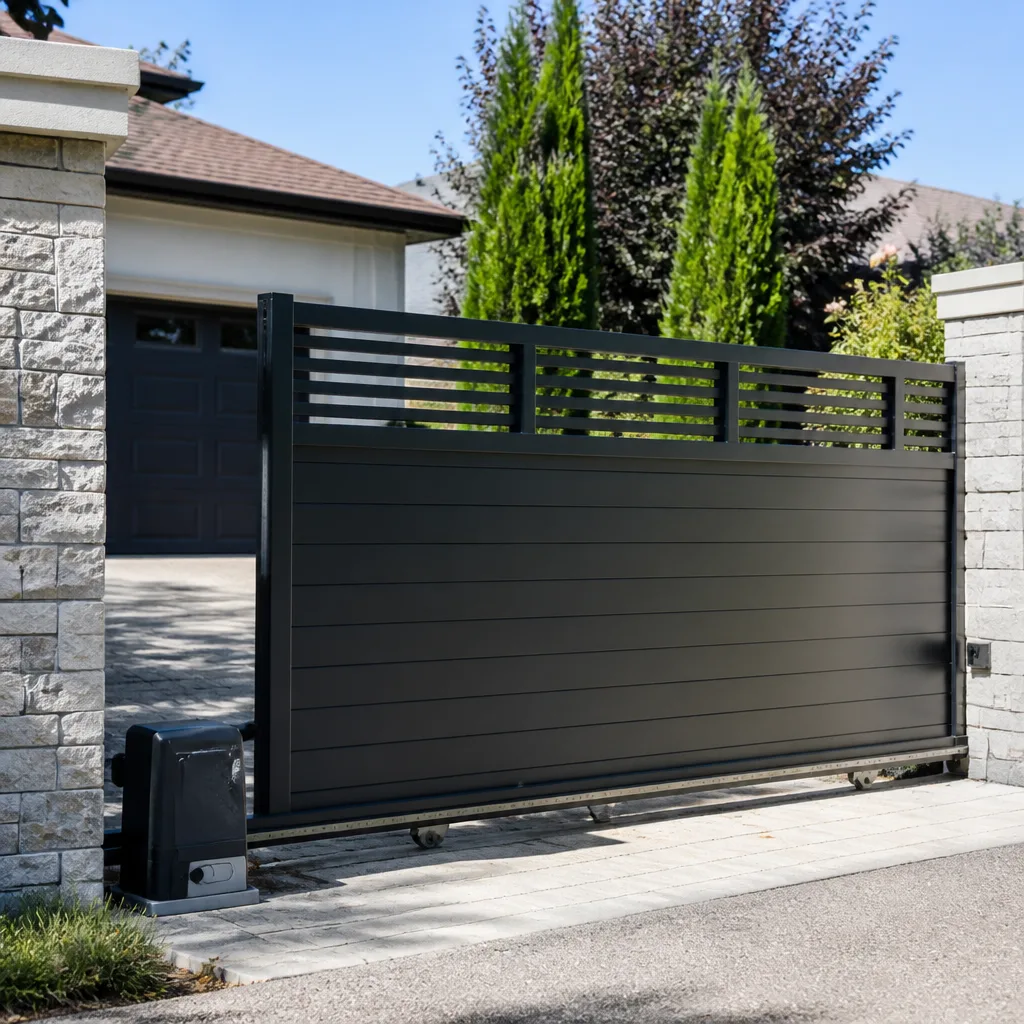 Sliding driveway gates
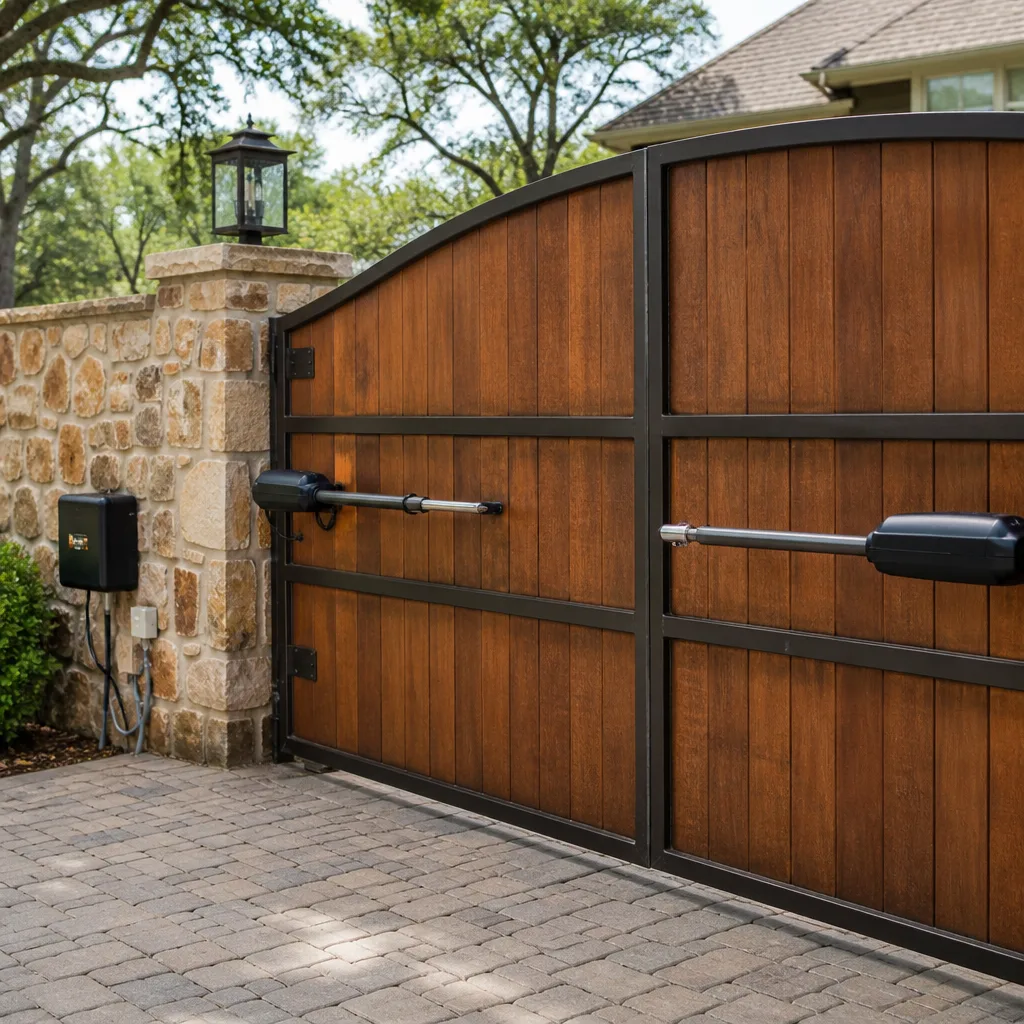 LiftMaster operators
Free on-site gate assessment - hinges, posts, and your LiftMaster or Nice gate operator checked before anything is quoted
The assessment is free and the quote is the invoice.
Get your free estimateGate Repair Warning Signs: A Round Rock Homeowner’s Reference Guide
A gate that moves slower than usual almost never gets called in. It’s noisy, maybe, or it lags a little, and the homeowner figures they’ll deal with it eventually. But slow movement from an operator working under thermal overload is one of the most common precursors to a full motor burnout, and a burned-out operator costs several times more to replace than catching the early sign would have. The same pattern plays out across every gate symptom: some problems are safe to watch, others mean stop using the gate today. This guide sorts every common warning sign into three urgency tiers so you know which is which, with the electrical clues and Round Rock ground conditions most checklists skip.
Quick Answer
Gate warning signs fall into three urgency tiers. Stop using the gate immediately if it reverses unpredictably, sparks, smokes, or traps a vehicle or person; those are safety faults that can cause injury. Schedule service within the week for slow operation, grinding, partial opening, or a gate that drags on one side. Monitor and log minor new noises, slight misalignment, and intermittent remote response. Intermittent failures are usually more urgent than consistent ones, not less, because they point to an electrical fault that will cascade.
Styles & brands we work with
- Wrought iron
- Wood & steel frame
- Farm & ranch
- Sliding driveway gates
- LiftMaster operators
Table of Contents
- The Three Urgency Tiers, Defined
- Tier 1: Stop Using the Gate Today
- Electrical Warning Signs Most Homeowners Miss
- The Post-Shift Sign: When One Side Scrapes and the Other Side Gaps
- Why “Works Fine Most of the Time” Is More Urgent Than It Sounds
- Tier 2: Schedule Service Within the Week
- Tier 3: Monitor and Log
- What to Tell the Technician When You Call
The Three Urgency Tiers, Defined
Every warning sign on a gate is one of three things: a safety fault, a developing mechanical or electrical failure, or normal wear that deserves watching. Sorting a symptom into the right tier is the single most useful skill a gate owner can develop. Get it right and you avoid both unnecessary repair bills and the much worse outcome of a gate that swings on a car, a child, or a delivery driver because nobody shut it down in time.
The tiers work like this:
- Tier 1, immediate shutdown. The gate is doing something that can hurt someone or has already hurt property. Stop using it, switch it to manual if you can do so safely, and call a dedicated gate technician. Do not operate it “just this once” to get the car out of the driveway; open the gate by hand and leave the operator off.
- Tier 2, schedule within the week. The gate still works but something has changed: it’s slower, louder, dragging, opening only partway, or responding unevenly. These are developing faults. Most stay repairable at this stage; left alone for weeks, several turn into Tier 1 events.
- Tier 3, monitor and log. Small changes: a new tick in the motor note, a slight sag, one remote that takes two presses instead of one. Write down the date and what you noticed. A logged pattern turns a future service call from guesswork into a fast diagnosis.
In our experience across Round Rock, the expensive jobs we see are rarely the ones where a homeowner ignored a Tier 3 sign. They’re the ones where a Tier 2 sign sat for a month. The difference between a control board repair and a full operator replacement often comes down to how many weeks a fault was allowed to run.
Tier 1: Stop Using the Gate Today
These are the symptoms that mean the gate should not move under power until a technician has looked at it. Every one of them has a real path to injury or property damage, and none of them improve on their own.
- The gate reverses unpredictably. A gate that stops and reverses mid-travel, or closes on a car that’s still pulling through, has a failing safety sensor, a misreading safety edge, or a control fault overriding the reversal logic. Safety devices exist so the gate reverses when it should; a gate that reverses when it shouldn’t has lost the ability to stop when it should too.
- Sparking, smoking, or a burning smell at the operator. Any of these at the motor housing or control box means stop. Cut power to the operator at the breaker if you can do it safely, and don’t touch the wiring. Electrical faults at the operator are a fire concern and a shock concern at the same time.
- Visible damage to the operator’s power wiring. Conduit pulled apart, exposed conductors, a chewed cable at the post. Gate operator wiring carries line voltage. Don’t tape it, don’t push it back together, and don’t have anyone but a trained technician touch it.
- The gate traps a vehicle or person, or crushes against an obstacle without stopping. This is the safety edge or sensor loop failing at the point that matters. A gate that closes on something and keeps pushing is a Tier 1 fault every time, even if it “usually” stops correctly.
- A slide gate that has come off its track or jumped its rollers. A sliding leaf is heavy. One that’s off-track can drop or swing out with enough force to injure someone standing nearby. Keep people clear and call a gate specialist.
One note on safety: modern gate operators rely on reversing sensors, safety edges, and photo-eye loops to meet safety expectations, and when any of those fail, the gate’s whole safety logic is compromised. We won’t walk anyone through diagnosing a live operator over the phone, because the risk is real. Shut the gate off at the breaker if you can reach it safely and let a trained technician handle the rest.
The same caution applies to a gate that has lost its manual release function or whose release is jammed. Never force a stuck release mechanism or try to lever the gate open against a locked operator; heavy moving panels and loaded mechanisms are exactly where injuries happen.
Electrical Warning Signs Most Homeowners Miss
Most gate warning checklists are written for mechanical problems, so the electrical ones get missed until they’re expensive. An automatic gate is as much an electrical system as a mechanical one. The operator, control board, safety sensors, and access hardware all depend on clean power and healthy wiring, and the earliest signals of failure usually show up in the electrical parts, not the gate hardware.
Watch for these, and log anything that repeats:
- Flickering access control panels. A keypad or entry panel that flickers, dims, or randomly resets usually has a power supply issue, a loose connection, or moisture in the housing. It’s an early electrical sign, not a cosmetic glitch.
- Control board error codes or beeping. Many operators from Linear, Viking, DoorKing, and other brands flash fault codes or chirp when a sensor, loop, or motor is faulty. Note which code, how often, and what the gate was doing. That’s diagnostic gold when a technician arrives.
- Intermittent remote response. A remote that works from the driveway one day and not the next, or works from one distance but not another, points to receiver problems, antenna issues, or interference. It also means the access system is unreliable, which is a security concern for a business.
- A keypad that no longer accepts known-good codes, or a badge reader that works for one credential but not another. Access hardware failure is usually a wiring or power issue at the panel, not a programming problem, and it gets more common as connections age.
- The gate that “jumps” or twitches at the start of a cycle. A small stutter before the gate moves is often an early control or capacitor fault. Catch it early and it’s a component repair; ignore it and the operator starts overheating.
If you want a broader walkthrough of how these faults get diagnosed, our electric gate repair page covers the motor, control board, safety sensor, and access hardware side of the work in more detail. For a residential driveway gate or a commercial access system, the diagnosis starts the same way: what changed, when, and how often.
The Post-Shift Sign: When One Side Scrapes and the Other Side Gaps
Here’s a warning sign that reads as mechanical but isn’t. The gate scrapes the ground on one side while a clear gap opens at the top on the opposite side. That combination isn’t a hinge problem or a bent leaf. It’s a sign the whole gate assembly has shifted, and on a swing gate it usually means the ground under one post has moved; on a slide gate it typically points to a foundation plate or pier issue.
This comes up around Round Rock more often than in many parts of the country, because our ground sits over a lot of hill country limestone and expansive clay. Clay swells when it’s wet and shrinks when it dries, and a wet stretch followed by a dry one can shift a post foundation enough to throw the gate out of alignment. A gate that was perfect last spring can be dragging on the slab by fall, and homeowners often assume something’s wrong with the hinges or the operator when the real story is under the post.
How to tell the difference between an alignment shift and worn hardware:
- Look at the gap pattern. A scrape on one side paired with a gap at the opposite side or top corner is a mounting or foundation shift. Both sides scraping evenly usually means the gate has dropped on its hinges.
- Open the gate by hand and watch the leaf through its arc. If the drag happens in one position and clears in another, the leaf is out of plane, which means it isn’t hanging plumb.
- Check the post itself for movement. Push against the post at the gate side with the gate open. Any rocking at the post, not at the hinge, is a foundation sign.
A shifted foundation is a structural repair, and it needs the post reset and the gate rehung, not just a hinge adjustment. Operators from brands like Ghost Controls or Mighty Mule that tolerate a little slop will still grind against a misaligned gate, so don’t assume a sturdier operator is going to save you. Fix the foundation first, and the gate hardware follows.
Why “Works Fine Most of the Time” Is More Urgent Than It Sounds
A gate that fails every single time gets fixed fast, because it has to. The gate that grumbles once a week and works fine otherwise gets put off for months. That’s a mistake. Intermittent failure is usually more of an electrical indicator than a mechanical one, and electrical faults tend to cascade.
When a gate fails occasionally, the pattern almost always points to one of a few conditions:
- A loose connection or corrosion at a terminal. It works when the contact happens to line up and fails when vibration or temperature moves it. Left alone, the connection can loosen further or start arcing, which turns a connection problem into a control board replacement.
- A failing capacitor or control component that’s marginal. It functions under normal load and drops out under a slightly heavier one, like a hot afternoon or a stiff gate. The marginal part eventually fails outright, and by then the operator may have overheated enough times to damage other components.
- A sensor or loop reading intermittently. The safety edge or loop that reads right nine times out of ten is the safety edge that fails when a child is under the gate. That’s not a hypothetical; it’s the reason intermittent sensor faults belong higher on the urgency scale than most people put them.
A consistent failure is a clear fault with a single cause. An intermittent one is a system with a deteriorating part, and each run it makes while marginal can stress something else. In a commercial setting, an access gate that lets traffic through most of the time but refuses a customer a couple of times a week is also a security and liability problem, not just an inconvenience. If you’re seeing inconsistent behavior, treat it as a Tier 2 item and get it looked at within the week.
This is where a dedicated gate specialist earns their keep. An intermittent fault needs someone who can read the operator’s fault logs, test the electrical chain under load, and reproduce the failure rather than guess. Our gate repair Round Rock page gives the overview of how we approach that diagnostic work, and the gate repair service page goes deeper on repair methods.
Tier 2: Schedule Service Within the Week
These signs mean the gate is still working but a fault is developing. Timed right, most become component repairs. Let them run for a few more weeks and some turn into Tier 1 events or operator replacements.
- The gate moves slower than it used to. Slow movement is one of the most reliable early signs of thermal overload at the motor. The operator is working harder than it should and heating up. Left alone, thermal overload leads to motor and control board failure, which is a much bigger job than the fix that would have caught it at this stage.
- A new grinding or scraping noise in the operator. Grinding usually means worn gears or a dry bearing. Catch it and you may only need a gear or two; let it run and the motor carries the load and wears out faster.
- The gate opens partly or reverses at the same point in the cycle. A consistent partial open or reverse often points to a limit switch, an obstruction sensor tripping at one spot, or a loop that’s misreading at the edge of the driveway.
- The gate hits the ground or clears unevenly at the bottom. This is the early version of the slab or pier shift. If it’s just starting, a foundation and alignment check now prevents a full reset later.
- The operator runs hot or cuts out after a few cycles. Thermal overload again, often from a stiff gate, a weak motor, or a control setting that’s driving the operator harder than it should. This is one of the most common signs we get called on, and often the most fixable if it’s caught early.
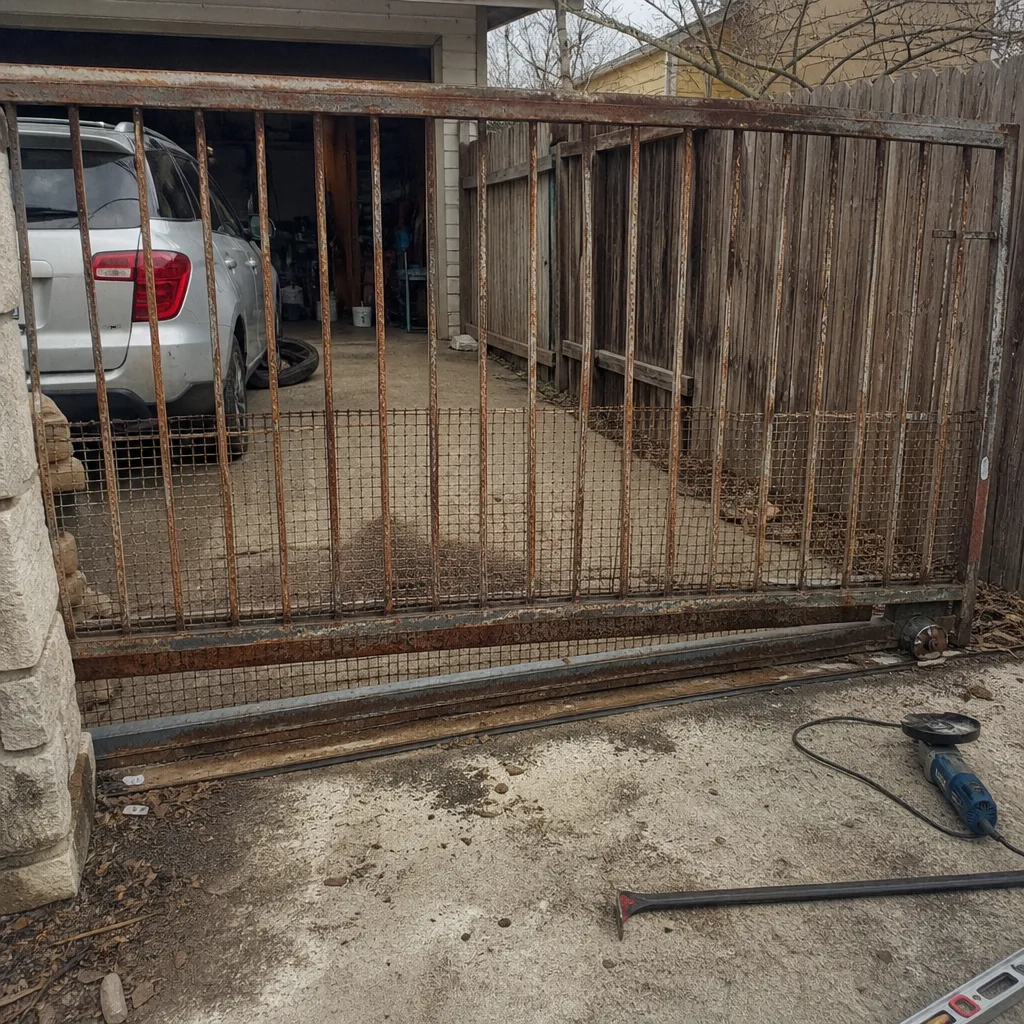
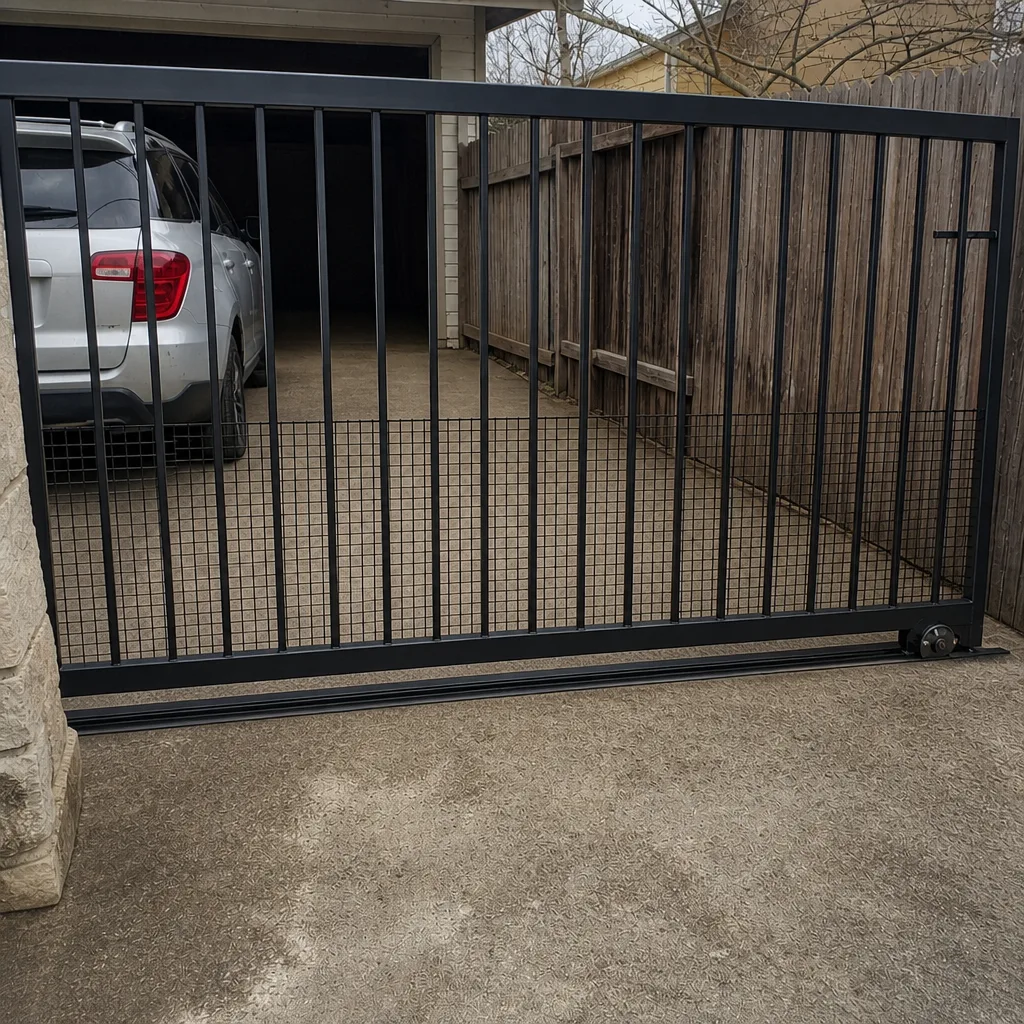
- Visible rust or looseness at hinges, rollers, or the mount. Hardware wear is expected, especially with our wet-dry swings. Tighten, grease, or replace before the gate starts swinging out of plumb.
Tier 3: Monitor and Log
Not every change needs a technician. Some changes are just wear and worth watching. The key is to actually write them down, with dates, so that when you do call, you can tell a clear story instead of “it seems a little off lately.”
Log these if you notice them:
- A new tick, thump, or note change in the motor sound. A slightly different hum at one point in the cycle is worth writing down. If it’s the same next week, it’s normal wear; if it’s changing, it’s developing.
- A small misalignment at the gate’s rest position. A fingertip of sag now is a hinge adjustment; an inch of sag later is a rehang.
- A remote or keypad that takes an extra press. Log the date, the distance, and whether it’s the same remote every time. Battery first, then receiver and wiring.
- Weather-correlated behavior. “Slow on humid mornings” is a useful entry. On a gate it often points to a marginal connection or a stiff hinge, and those are easy to fix when you know the pattern.
Take a photo of the operator label and the access control panel while you’re logging. When you call, that’s the information that lets a technician know what brand and model they’re dealing with before they arrive, whether it’s a Viking, Linear, or a commercial DoorKing system. If you’d like to check what we service in your area, our Round Rock page covers the local picture, and it’s worth noting we serve both residential driveway gates and commercial access systems across the city.
What to Tell the Technician When You Call
The difference between a fast, correctly diagnosed repair and a multi-visit headache often comes down to what you’re able to tell the technician on the call. Most gate faults can be diagnosed from a good description, and the description drives which parts get loaded for the first visit. Here’s what to have ready.
- What the gate is doing, in plain words. “Slow to open, grinds at the halfway point, then stops” tells us more than “it’s acting up.” Describe the motion: where it changes, how often, and what the gate does right before the fault.
- How often and under what conditions. Every cycle, once a week, only on hot afternoons, only after a wet spell. Frequency and conditions are the fastest way to distinguish mechanical wear from an electrical fault.
- The operator brand and model, if you can find it. Check the operator housing label. If it’s a brand we know well, we know what parts and fault codes to expect before we arrive.
- Any error codes or beeps. Note the code and what the gate was doing when it showed. Control board codes are the single most useful thing you can hand us.
- When the last service was done, and what was replaced. A gate that got a new control board six months ago and is still behaving oddly has a different story than one that hasn’t been touched in years.
- Whether it’s a swing gate or slide gate, manual or automatic. This changes the parts list, the safety checks, and often the person we send.
One last safety note before you call: if you’ve had anything at Tier 1 happen, tell us on the call. We’ll help you shut it down safely and get a technician scheduled, and we won’t ask you to keep testing it until we arrive. Call (888) 853-0490. We answer 24/7. Fast dispatch from 7am to 7pm, Sunday through Friday. Our technicians have up to 11 years of experience working on gate operators across the spectrum.
Common Mistakes to Avoid
- Treating a slow gate as “just how it’s been lately.” Slow movement is the most fixable warning sign on the list, and the most expensive one to ignore. Thermal overload is still repairable when it’s caught early; a burned-out operator is a replacement.
- Assuming a consistent fault is worse than an intermittent one. It’s the other way around. Consistent faults are clear; intermittent ones are usually electrical and cascade if left.
- Not shutting the gate down at Tier 1. Reversing, sparking, or trapping symptoms mean stop and call. Running the gate “just to get the car out” repeatedly is how injuries happen.
- Taping up damaged operator wiring. That wiring carries line voltage. Tape is not a repair, and it’s a fire and shock hazard. Keep anyone from touching it until a technician arrives.
- Adjusting hinges to fix a post shift. If the gate scrapes one side and gaps the other, the problem is often under the post. Hinge adjustments don’t fix a foundation issue and can make the gate sit worse.
- Buying a new operator to fix an intermittent fault. A gate that fails occasionally usually has a fixable electrical cause. Replacing the operator before the cause is found is an expensive way to leave the real fault in place.
- Calling a general handyman for a gate fault. A gate that’s off-plane, wired to line voltage, and carrying heavy moving panels is gate work, not odd-job work. A dedicated gate technician knows the specific traps.
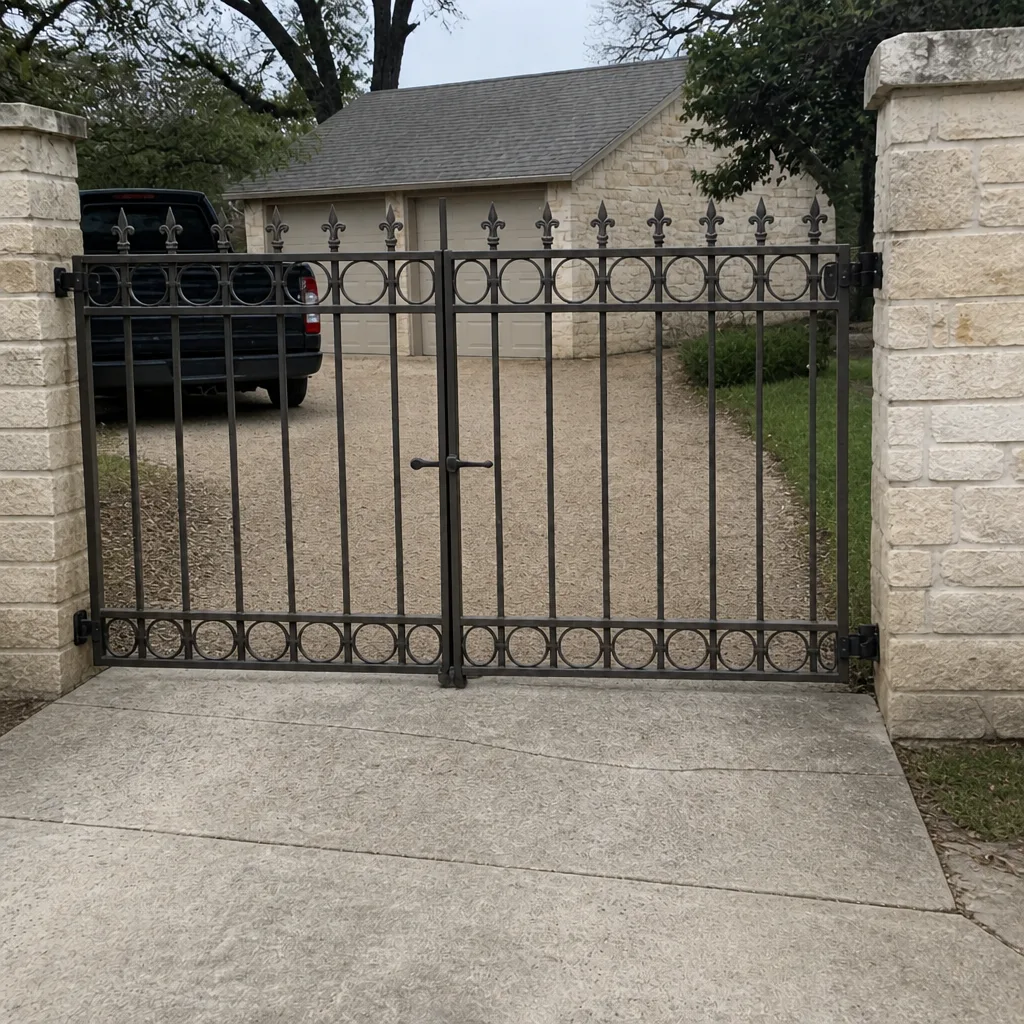
See the difference
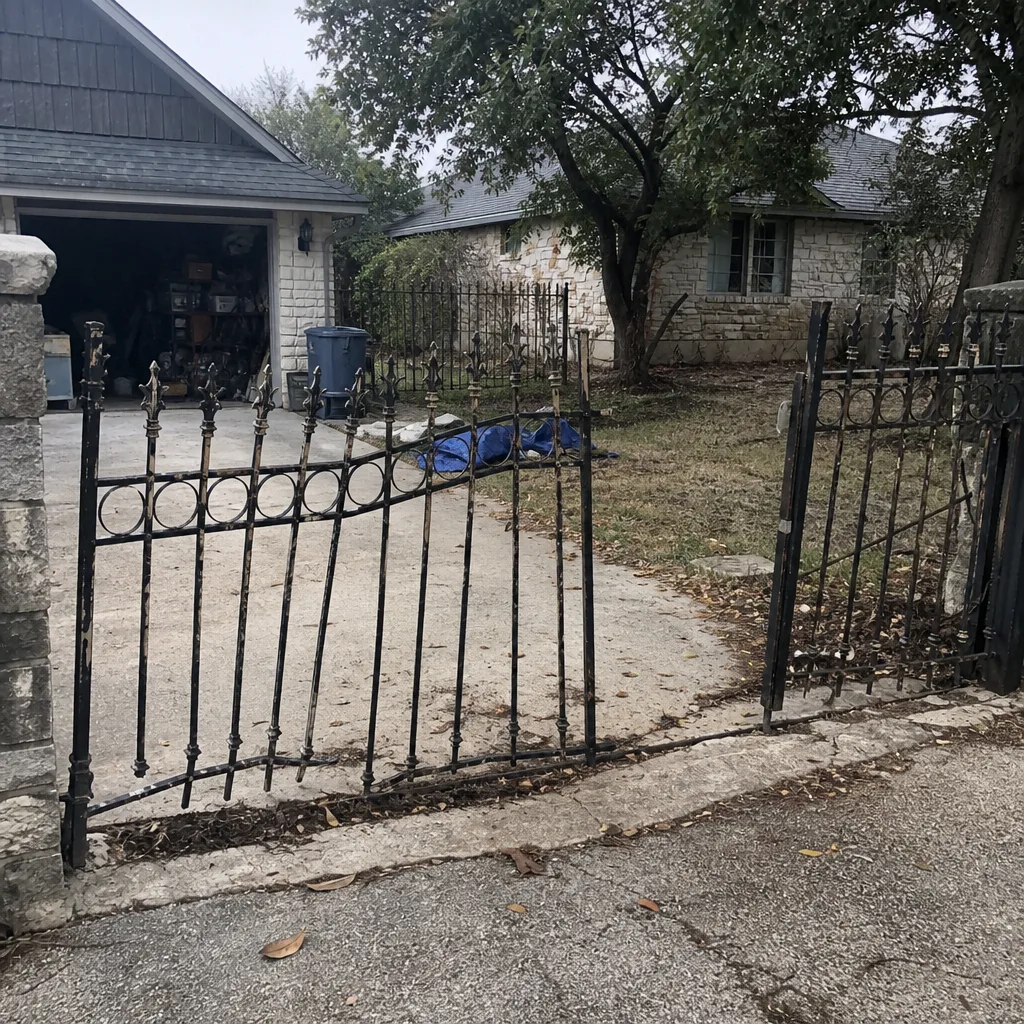 Before
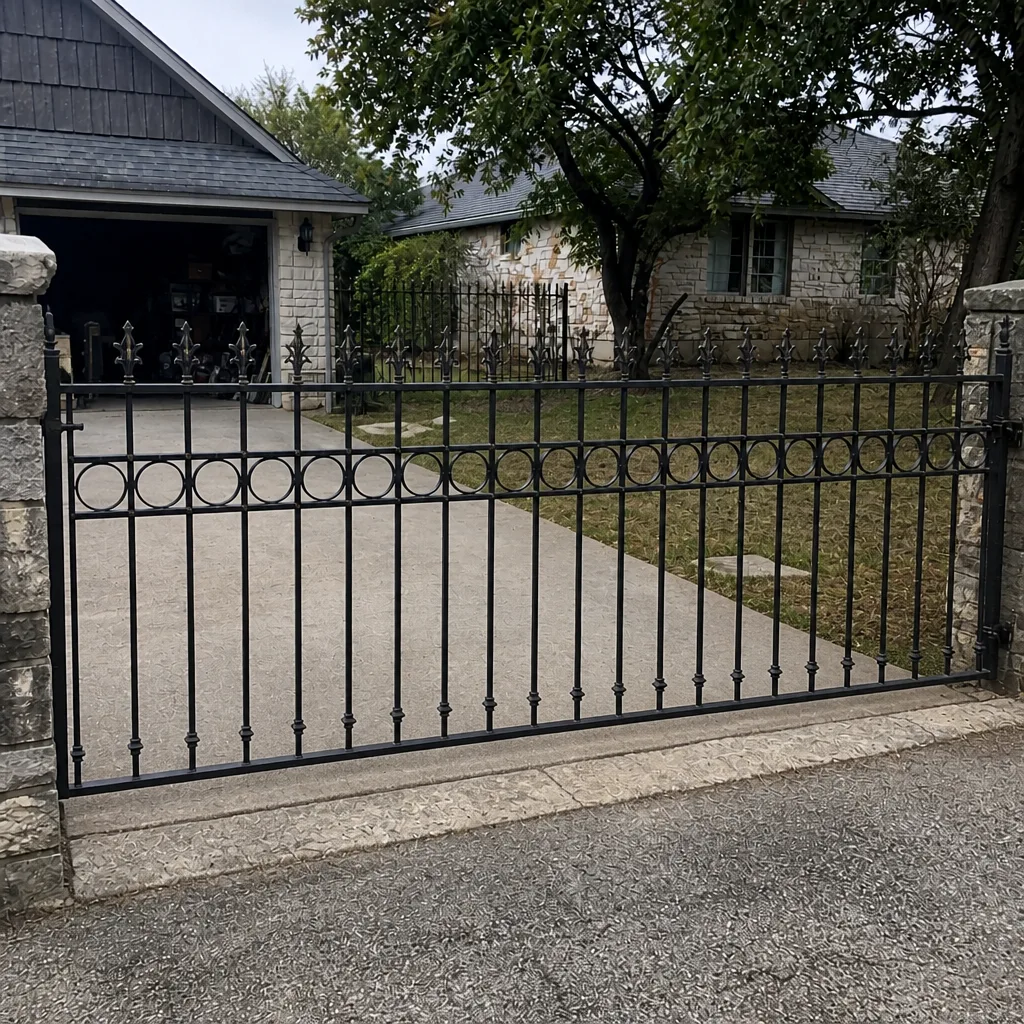 After
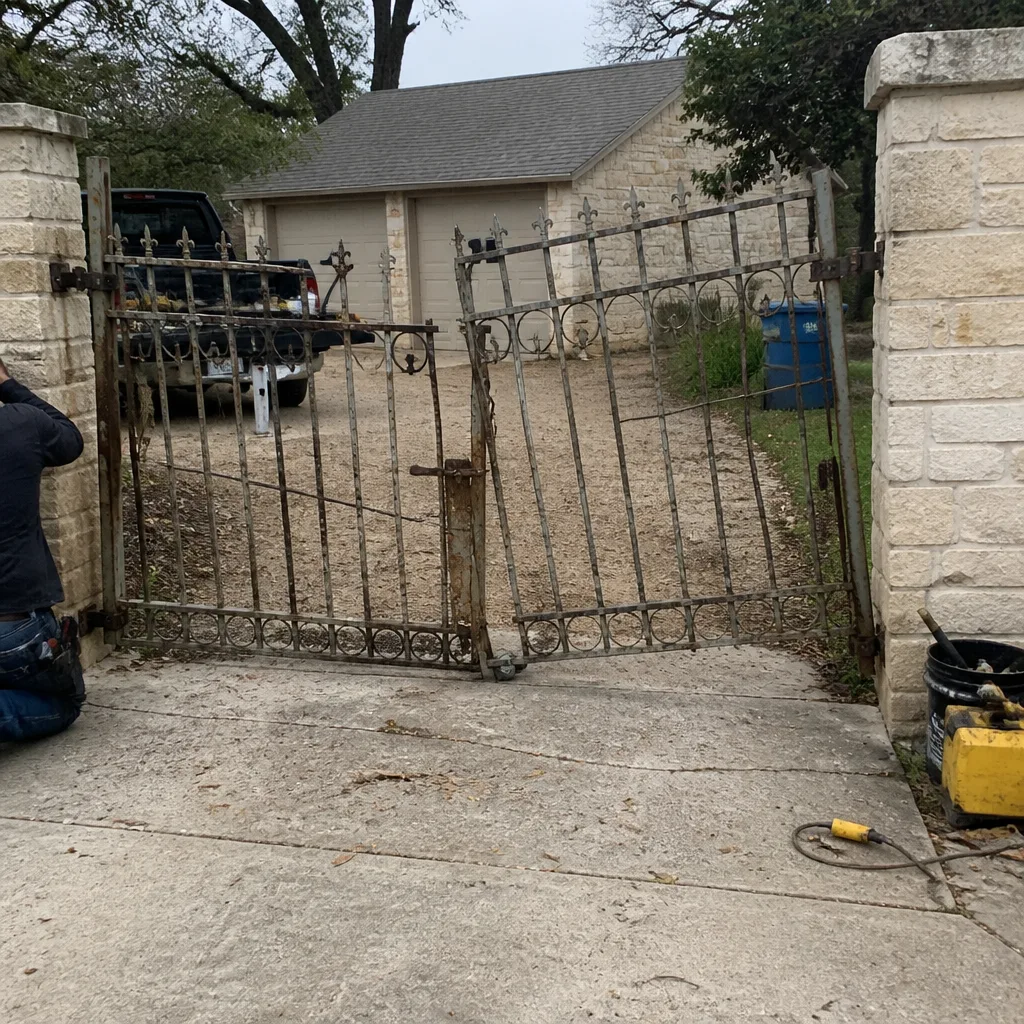 Before
 After
 Before
 After
When to Call a Professional
Call a professional for anything at Tier 1 or Tier 2, if you’re unsure which tier a symptom belongs to, or if you’re moving into a home with a gate whose service history you don’t know. Call immediately for a reversing, sparking, trapping, or off-track gate, and keep people clear of the gate until a technician tells you otherwise. For anything electrical – a flickering access panel, a beeping control board, intermittent remote response, or any damage to the operator’s power wiring – don’t touch it, shut off the breaker safely, and call.
Gate Repair Round Rock offers free estimates in Round Rock – call (888) 853-0490. We work on both residential driveway gates and commercial access systems, across operators from entry-level to full commercial grade. Whatever the symptom, we’ll tell you plainly which tier it’s in and what the fix involves before we start.
Frequently Asked Questions
The most common signs are slow operation, new grinding noises, partial openings, and inconsistent remote or keypad response. Slow operation is often an early sign of thermal overload at the operator, and intermittent remote response points to an electrical issue rather than a mechanical one.
Not an emergency, but it’s Tier 2 and should be scheduled within the week. Slow movement is often the operator working under thermal overload, and if the gate is left to run for weeks, that heat can burn out the motor and control board. Caught early it’s usually a component repair; left alone it’s a replacement. Call (888) 853-0490 for a free estimate.
Yes, and it’s often more serious than a gate that fails consistently. A consistent fault has a clear cause, while an intermittent one usually means a loose connection, marginal component, or failing sensor that can proceed to a full failure. Treat inconsistent behavior as a Tier 2 item and get it checked within the week.
That pattern usually means the gate assembly has shifted, not that a hinge has worn. On a swing gate the ground under a post has typically moved, and on a slide gate a foundation plate or pier has. Around Round Rock, our clay-heavy ground swells and shrinks with wet and dry spells, so post movement can happen over a single season. Call (888) 853-0490 for a free estimate on the alignment and foundation check.
In many cases the control board is repairable, and we’ll tell you plainly which way is the better value for your gate. Our gate repair Round Rock team handles motors, control boards, safety sensors, and access hardware, and we work across the operator brands – Linear, Viking, Ghost Controls, DoorKing, and others – so the recommendation is driven by your gate, not a single-brand dealership. Call (888) 853-0490 for a free estimate.
Have the gate’s symptom in plain words, how often and under what conditions it happens, the operator brand and model if you can find the label, any error codes, the last service history, and whether it’s a swing or slide gate, manual or automatic. That information is what lets a technician arrive with the right parts the first time. Call (888) 853-0490. We answer 24/7. Fast dispatch from 7am to 7pm, Sunday through Friday.
The Bottom Line
Warning signs on a gate are only useful if you can read which ones are watch-and-wait and which ones mean stop today. Keep the three tiers in mind: shut the gate off for anything reversing, sparking, or trapping; schedule within the week for slow, grinding, partial, or misaligned operation; log the small changes. Watch the electrical clues, especially flickering panels, error codes, and intermittent remotes, because those cascade fastest. And if your gate scrapes on one side and gaps on the other, suspect the ground under the post before you suspect the hinges. For a gate that needs a proper look, Gate Repair Round Rock is a dedicated gate specialist. Call (888) 853-0490 for a free estimate. We answer 24/7. Fast dispatch from 7am to 7pm, Sunday through Friday.
Written by the team at Gate Repair Round Rock.