
Last updated November 15, 2026
 Wrought iron
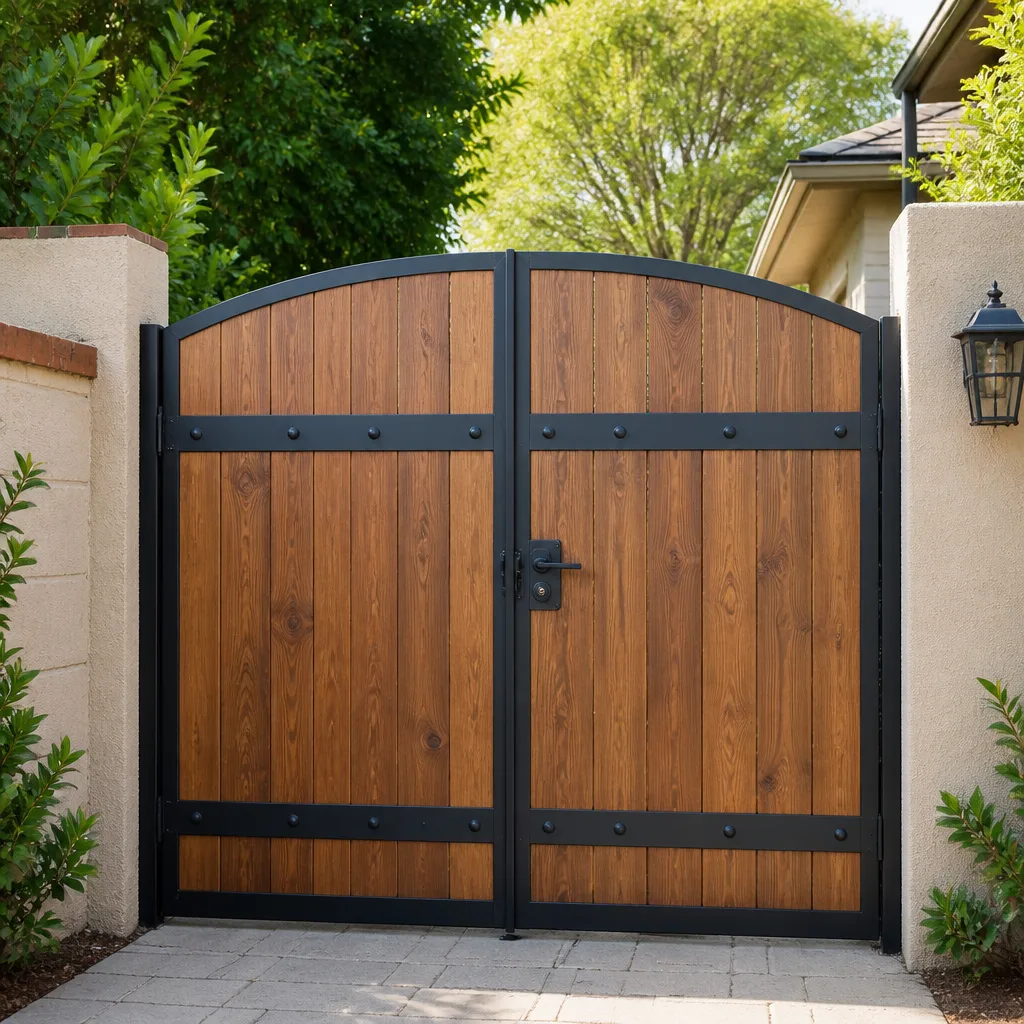 Wood & steel frame
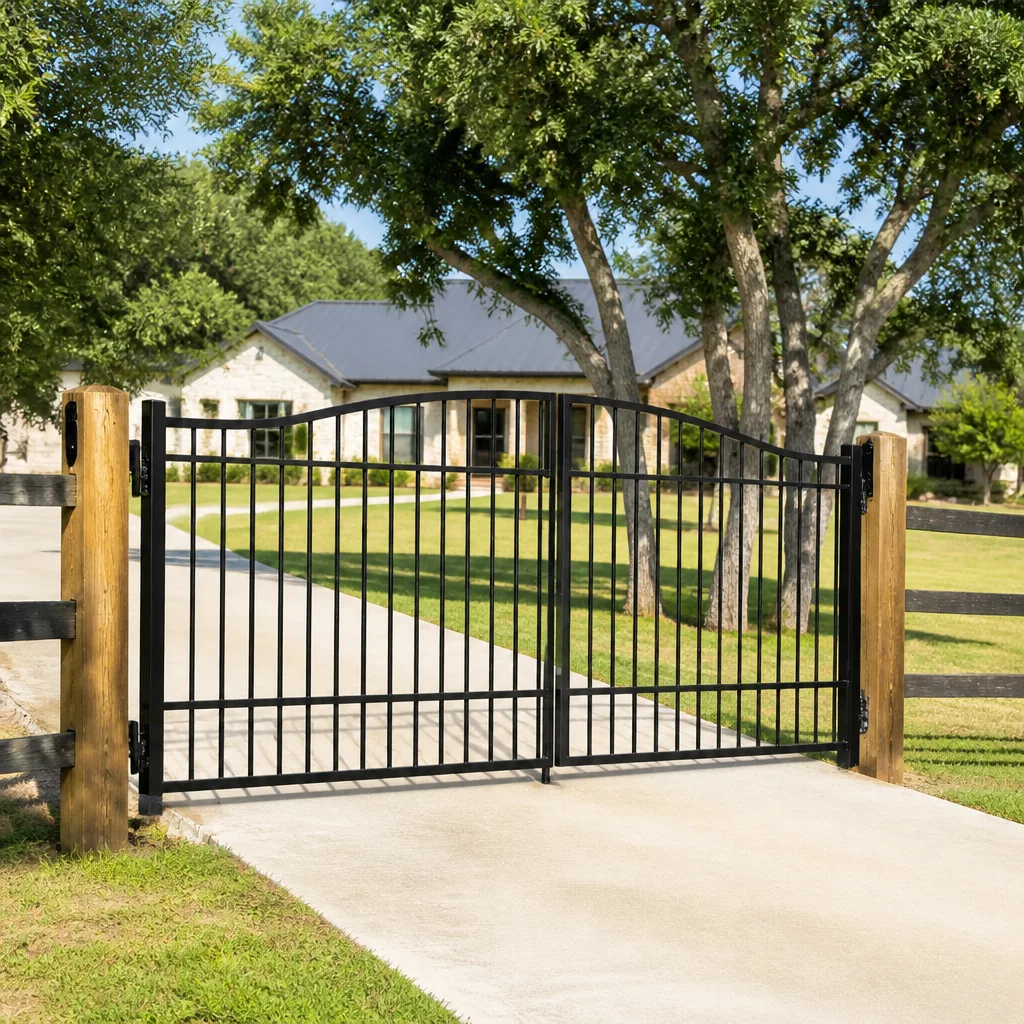 Farm & ranch
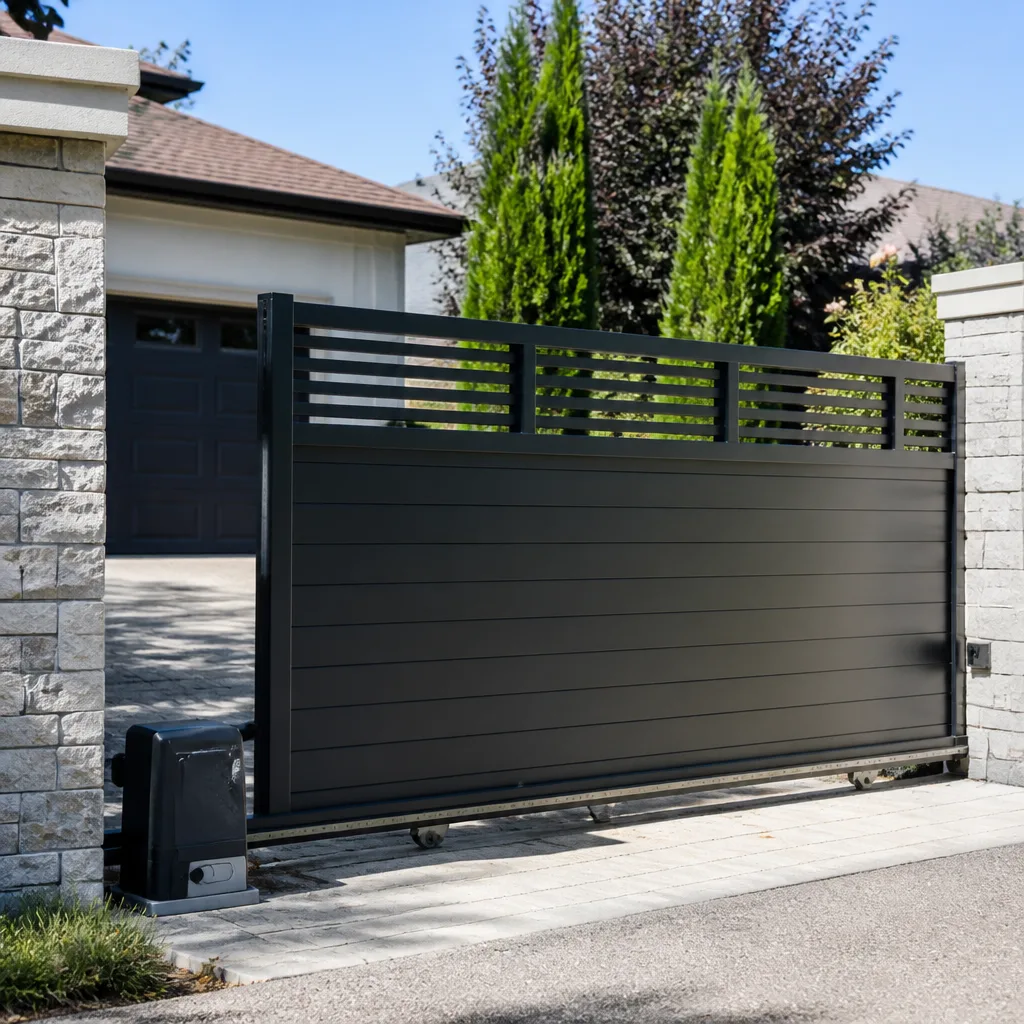 Sliding driveway gates
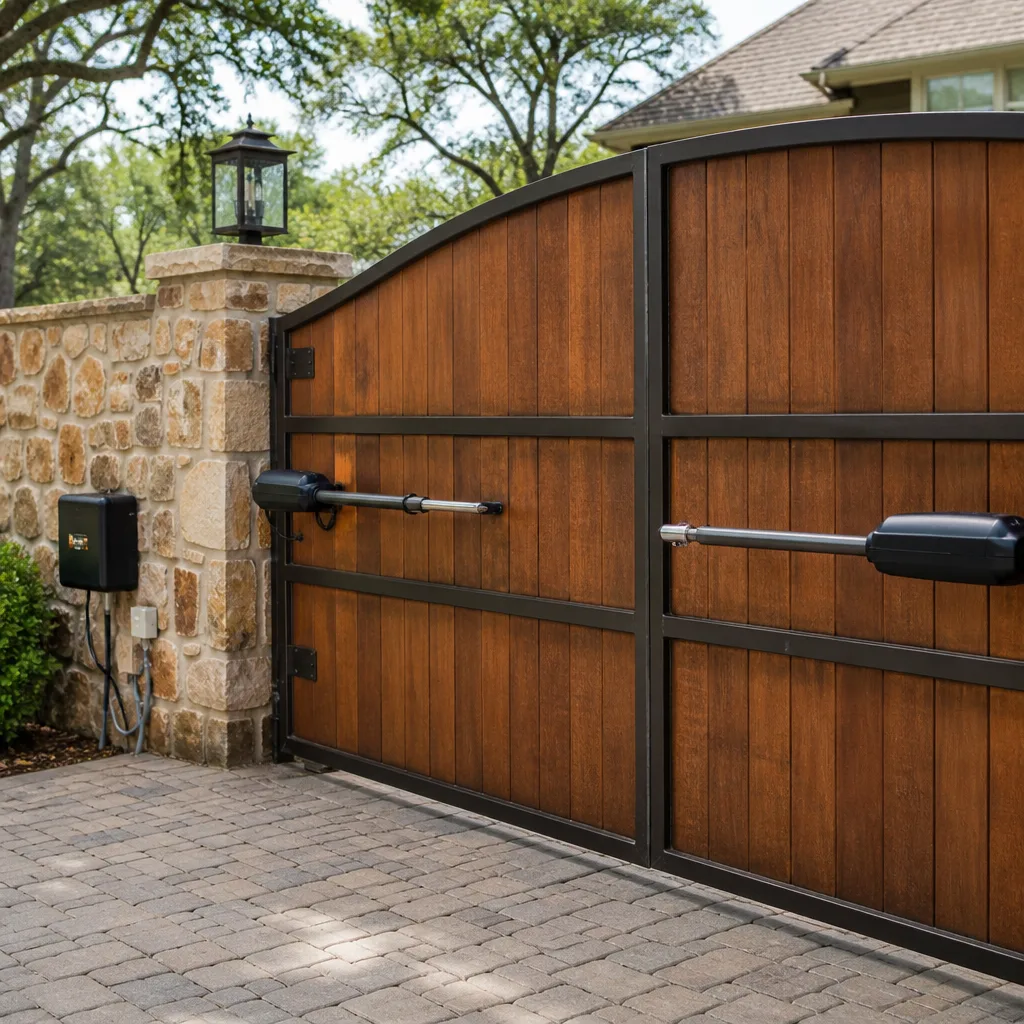 LiftMaster operators
Free on-site gate assessment - hinges, posts, and your LiftMaster or Nice gate operator checked before anything is quoted
The assessment is free and the quote is the invoice.
Get your free estimateGate Repair Maintenance Schedule: What to Do and When
The chain on a high-traffic commercial gate in Round Rock accumulates the same wear in four months that a residential driveway gate sees in two years. One maintenance schedule does not fit both, and treating them the same is why commercial gates fail without warning. Most gate owners think in seasons: spring check, fall check, done. The reality is that gate wear runs on intervals tied to component type, gate weight, and cycle count, not to the calendar. A hinge that swings a hundred times a day needs attention far more often than the one on a back gate used twice a week. In this guide we break maintenance down by part and by usage tier, show you how to calculate your own gate’s annual cycles, and explain which tasks you can safely handle and which belong to a certified technician. You’ll come away with a schedule you can actually follow, not a vague reminder to “check the gate sometime.”
Styles & brands we work with
- Wrought iron
- Wood & steel frame
- Farm & ranch
- Sliding driveway gates
- LiftMaster operators
Quick Answer
A good gate maintenance schedule runs on intervals tied to each component, not seasons: lubricate hinges and moving parts every 90 days, inspect limit switches and safety sensors every 6 months, and test battery backup monthly. Heavy commercial gates need those intervals tightened based on cycle count, while light residential gates can stretch them. Add unscheduled checks after the post-winter soil movement in March and during peak heat in July and August, and you’ll catch most wear before it becomes a repair.
Table of Contents
- Why interval-based maintenance beats a seasonal checkup
- Component-specific intervals: what to check and when
- How to calculate your gate’s cycle count and pick a tier
- What Round Rock’s climate calendar should trigger
- The 10-minute owner checklist
- Which tasks void warranties and which are owner-safe
- Common mistakes to avoid
- When to call a professional
Why interval-based maintenance beats a seasonal checkup
A seasonal schedule treats every gate the same: one inspection in spring, one in fall, and the assumption that everything in between is fine. That works for a light residential swing gate used a handful of times a day. It falls apart on a busy commercial entrance where the operator cycles dozens of times before lunch. The components inside that operator, and the hinges and rollers outside it, are accumulating wear the whole time. A calendar checkup simply doesn’t see it coming.
Interval-based maintenance flips the logic. Instead of asking “what month is it,” you ask “how many cycles has this gate run since the last service, and which parts are due?” That question produces a schedule matched to the actual load on the gate. A high-cycle commercial gate might get its hinges looked at every month and its limit switches every quarter, while a residential driveway gate on the same street gets a leaner schedule stretched across a longer span.
Here’s the practical difference. With seasonal maintenance, wear gets discovered when something stops working. With interval-based maintenance, wear gets caught on a schedule before it reaches the point of failure. The second approach is how you avoid replacing an operator or a whole gate because a cheap hinge or a mis-set limit switch was left too long. In our experience, the gates that fail “without warning” are almost always gates that had a predictable interval nobody was tracking.
If your gate is already showing symptoms, that’s a different job from setting up a schedule. For a gate that’s sticking, dragging, or refusing to close, start with gate repair rather than a maintenance plan, then build the schedule once it’s working again.
Component-specific intervals: what to check and when
The single most useful thing you can do is stop thinking of “gate maintenance” as one task. It’s a set of tasks, each with its own interval. Here’s how we break it down, grouped by component, with the frequency that fits most gates and the adjustment for heavier or higher-cycle systems.
Hinges and pivot points
Lubricate hinges, pivot points, and roller tracks every 90 days as a baseline. On a heavy commercial gate, especially a cantilever or sliding gate with substantial panel weight, tighten that to every 30 to 60 days. Dry hinges are the quiet cause of a lot of downstream damage: they bind, the operator works harder to overcome the resistance, and the motor and control board take the strain. A gate that suddenly “feels stiff” is often just a gate whose hinges haven’t been touched in a year.
Limit switches
Inspect limit switches every 6 months on a residential gate and every 3 months on a commercial one. Limit switches tell the operator where the gate is supposed to stop. When they drift, the gate over-travels, slams, or stops short, and each of those puts stress on the motor and the mechanics. This is a component owners rarely think about, which is exactly why it’s one of the first things a dedicated gate technician checks.
Safety sensors and edges
Test safety sensors and reversing edges monthly. This one is about safety as much as function. A photo-eye that’s drifted out of alignment, or a safety edge that’s stopped responding, means the gate won’t reverse when something is in its path. On commercial access systems where vehicles and pedestrians share the entrance, this test matters more than any lubrication task. It’s quick to do and it’s the one interval we’d never stretch.
Battery backup
Test battery backup monthly. Operators from brands like FAAC, BFT, Linear, and Viking rely on a backup battery to keep the gate operable when power drops. A battery that’s quietly failed won’t announce itself until the day you need it. A monthly test is short and tells you whether the backup still holds.
Control board and wiring
Have the control board, wiring connections, and access hardware inspected every 6 to 12 months depending on usage. Loose terminals, corrosion at connections, and a control board under thermal stress don’t fail on a schedule, so a periodic inspection is how you spot them. This is electrical work, and it’s where a dedicated gate specialist earns their keep over a generalist who only knows hinges and welding.
How to calculate your gate’s cycle count and pick a tier
Cycle count is the number that should drive your whole schedule. A cycle is one complete open-and-close movement. To estimate your annual cycles, walk through this:
- Count how many times the gate opens on an average day. For a home, this might be 5 to 15. For a commercial entrance, it could be 50 or more.
- Multiply daily opens by the number of active days per week, then by 52 weeks. Commercial sites that operate five days a week multiply by 5; residential sites usually run every day, so multiply by 7.
- That figure is your estimated annual cycle count. Write it down. It’s the anchor for the rest of your schedule.
Once you have a number, sort your gate into a usage tier:
- Light residential (under about 3,000 cycles a year): the 90-day lubrication, 6-month limit switch, monthly sensor and battery testing baseline applies as written. Most suburban driveway gates in Round Rock land here.
- Moderate (roughly 3,000 to 10,000 cycles a year): tighten lubrication to every 60 days and limit switch inspection to every 4 months. A home with heavy daily traffic, or a small commercial lot, often lands in this range.
- Heavy commercial (above 10,000 cycles a year): lubricate monthly, inspect limit switches every 3 months, and inspect the control board and wiring every 6 months. This is the tier where wear on the chain and drive components adds up fastest, and where an untracked schedule turns a small repair into a system replacement.
Knowing your tier changes what you plan for. A heavy commercial gate on a busy access road is running cycles that would take a residential gate years to reach, and its maintenance has to reflect that. If you’re not sure which tier your gate fits, or the system is complex enough that you’d rather have someone look, that’s exactly the kind of assessment a dedicated technician does on a visit.
What Round Rock’s climate calendar should trigger
Central Texas gives gates a particular set of stressors, and two points on the calendar deserve special attention.
The first is post-winter soil movement in March. Winters here are mild, but the ground still shifts as moisture cycles through the season. Gate posts and the piers that hold them can settle or move slightly, and even a small shift changes how the gate hangs and swings. A gate that worked fine in January can start dragging in March without anything having “broken.” That’s the moment to check post alignment, hinge clearance, and whether the gate sits level in its frame. Catch it early and it’s an adjustment; ignore it and it becomes a worn operator working against a gate that’s fighting its own hang.
The second is peak heat stress in July and August. The Texas summer puts real load on electric gate systems. Motors run hotter, control boards get pushed, and batteries in backup systems are less forgiving. This is the point in the year when an unscheduled check is worth doing, especially on a commercial gate running high cycles. Operators from FAAC, BFT, Linear, and Viking all handle heat differently, but the principle holds: a system under heat stress needs its components and connections verified before the load causes something to fail at the wrong moment.
The rest of the year is steady. Gulf moisture and occasional heavy rain can work into connections and mechanisms, so keeping the lubricant schedule on track matters. But the two standing calendar triggers here are the March soil check and the summer heat check. Everything else is driven by your interval table and your cycle count, not the season.
If you’re in Round Rock and your gate is a few years old, it’s worth having it examined with the local calendar in mind, because those two triggers are easy to miss on a generic maintenance schedule written for a different climate.
The 10-minute owner checklist
A short walk-around catches most developing problems before they turn into a service call. Run this monthly, and it’s the highest-value ten minutes you’ll spend on the gate:
- Listen to the gate run. Start it and stand back. A healthy gate has a consistent sound from start to stop. Grinding, squealing, or a change in pitch signals a problem somewhere in the drivetrain.
- Watch the full swing or slide. Does it move smoothly, or does it hesitate, lurch, or slow down at a point? Any change from normal points to a hinge, roller, or limit switch issue.
- Test the stop and reverse. Its safety sensors should stop and reverse the gate when something is in the path. Test it with a safe object, not your body.
- Look at the hinges and track. Visible rust, dry metal, or debris in the track means it’s due for lubrication or cleaning.
- Open the control box and just look. No touching. Note anything that looks loose, corroded, or shows signs of heat discoloration.
- Test the battery backup. Many operators have a test button or a routine. Confirm the backup engages.
- Check the gate’s hang. With the gate open, look for sagging, a gap that wasn’t there, or a post that looks leaned.
Add up what you notice and you have a working symptom list. That list is worth more to a technician than a vague description like “the gate isn’t working.” A clear set of observations speeds up diagnosis and keeps the visit focused.
Which tasks void warranties and which are owner-safe
Not all maintenance should be owner-performed, and the line isn’t always obvious. Knowing it protects your warranty and your safety.
Safely owner-performed: lubrication of hinges and moving surfaces, cleaning debris from tracks, testing safety sensors and battery backup, visual inspection of the gate’s hang and hardware, and noting anything that looks wrong. These tasks are low-risk and don’t require touching electrical components.
Belongs to a certified technician: anything involving the control board, wiring connections, limit switch adjustment, motor internals, or access-control hardware. A manufacturer’s warranty can require that certain adjustments and repairs be done by a certified technician to stay valid. Limit switch calibration and control board diagnostics in particular are tasks where an incorrect adjustment can void coverage or, worse, damage the operator. Motor and control board work on a system from FAAC, BFT, Linear, or Viking takes the right tools and the right know-how.
The practical rule: anything you can do with a grease gun, a rag, and your eyes is fair game. Anything that requires opening the control box and turning a setting, or touching a wire, is not. If your gate is new or still under warranty, check the documentation before you touch anything beyond lubrication and testing. A short call to confirm what’s covered is cheaper than finding out after a repair that the warranty doesn’t apply.
Common Mistakes to Avoid
- Running one schedule for every gate. Treating a busy commercial gate and a light driveway gate on the same 12-month checkup is the single biggest reason high-cycle gates fail unexpectedly. Match your schedule to your cycle count.
- Skipping the safety sensor test. Owners lubricate hinges faithfully and never test the photo-eyes. A safety sensor that’s drifted means the gate won’t reverse when it should, and that’s a hazard on any entrance shared with people or vehicles.
- Greasing the wrong things. Some owners over-lubricate, packing tracks and rollers with grease that then attracts grit and dust. Texas dust and heavy rain work into over-greased parts and accelerate wear, not reduce it. Follow your interval and use the right lubricant for each surface.
- Ignoring the March soil shift. Central Texas ground moves with winter moisture, and gate posts settle with it. Ignoring a gate that started dragging in early spring lets a cheap adjustment become worn hardware.
- Pushing through summer heat without a check. A high-cycle gate that runs untested through July and August is being asked to perform under peak load. Verify the control board, connections, and battery before the heat stresses them.
- Touching electrical components to “save a call.” Adjusting limit switches or poking at wiring is where a warranty gets voided and a small issue becomes an operator replacement. Leave control-board and wiring work to a certified technician.
- Waiting for a failure to schedule a check. Maintenance is what you do when the gate still works. A gate that fails first and gets maintained afterward is being repaired, not maintained.
When to Call a Professional
Some situations call for a technician rather than your own checklist. Call a professional if the gate moves erratically, hesitates, or stops mid-cycle; if the operator runs but the gate doesn’t respond; if a safety sensor or edge no longer reverses the gate; if you see sparks, smell burning, or notice heat damage at the control box; if a post or hinge looks bent or loose; or if the gate is under warranty and needs adjustment beyond lubrication. Electrical gate systems carry genuine electrical hazards, and control-board and wiring work belongs to someone trained for it. If your gate is a commercial system handling regular traffic, don’t wait for a failure to get it looked at. Gate Repair Round Rock offers free estimates in Round Rock. Call (888) 853-0490. We answer 24/7. Fast dispatch from 7am to 7pm, Sunday through Friday.
Frequently Asked Questions
Service intervals depend on component and usage, not a single annual visit. Lubricate hinges every 90 days, inspect limit switches every 6 months, and test sensors and battery backup monthly. High-cycle commercial gates need those intervals tightened based on their annual cycle count.
You can safely handle lubrication, track cleaning, sensor and battery testing, and visual inspection. Control-board work, limit switch adjustment, motor internals, and wiring should go to a certified technician, and some manufacturer warranties require that for certain repairs.
Multiply the number of times your gate opens on an average day by the active days per week, then by 52. That estimate sorts your gate into a light, moderate, or heavy usage tier and sets how often each component needs attention.
A commercial gate running high cycles needs tighter intervals: monthly lubrication, limit switch inspection every 3 months, and control-board and wiring inspection every 6 months. The pattern of wear is the same, but it accumulates far faster, and the March soil check and July-August heat check matter more at that load.
Two points on the local calendar matter. Post-winter soil movement in March can shift gate posts and change how the gate hangs, so check alignment then. Peak heat in July and August stresses motors, control boards, and batteries, so an unscheduled check during those months is worth doing.
A skipped schedule usually turns a small adjustment into a larger repair, sometimes a full operator or system replacement. Bring a gate back to working order with electric gate repair, then set up intervals so the next failure doesn’t get the same head start. Call (888) 853-0490 for an exact quote. Estimates are free.
The Bottom Line
Gate maintenance isn’t seasonal. It’s interval-based, and the intervals differ by component, gate weight, and cycle count. Lubricate hinges every 90 days, inspect limit switches every 6 months, test sensors and battery backup monthly. Calculate your annual cycles so you know whether your gate is light, moderate, or heavy, and tighten your schedule accordingly. In Round Rock, add a post-winter soil check in March and a heat check in July and August. Keep the owner-safe tasks on your checklist and leave the electrical work to a certified technician. Done this way, most wear gets caught before it becomes a repair.
If your gate needs a look, whether it’s a repair, an electric system checkup, or a new installation, we work on your brand across residential driveways and commercial access systems. Call (888) 853-0490 for a free estimate. We answer 24/7. Fast dispatch from 7am to 7pm, Sunday through Friday. Our technicians have up to 11 years of experience, and every quote is agreed before any work starts.
Written by the team at Gate Repair Round Rock.
See the difference
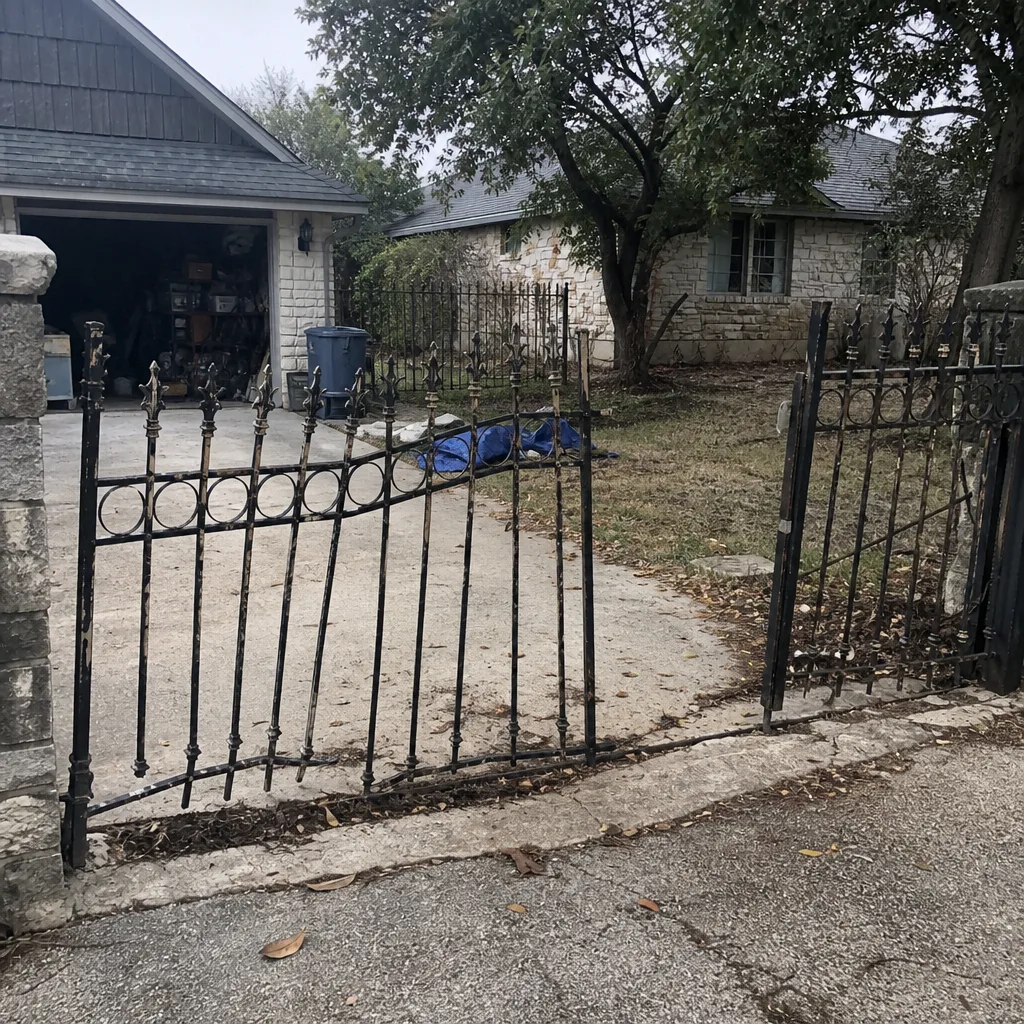 Before
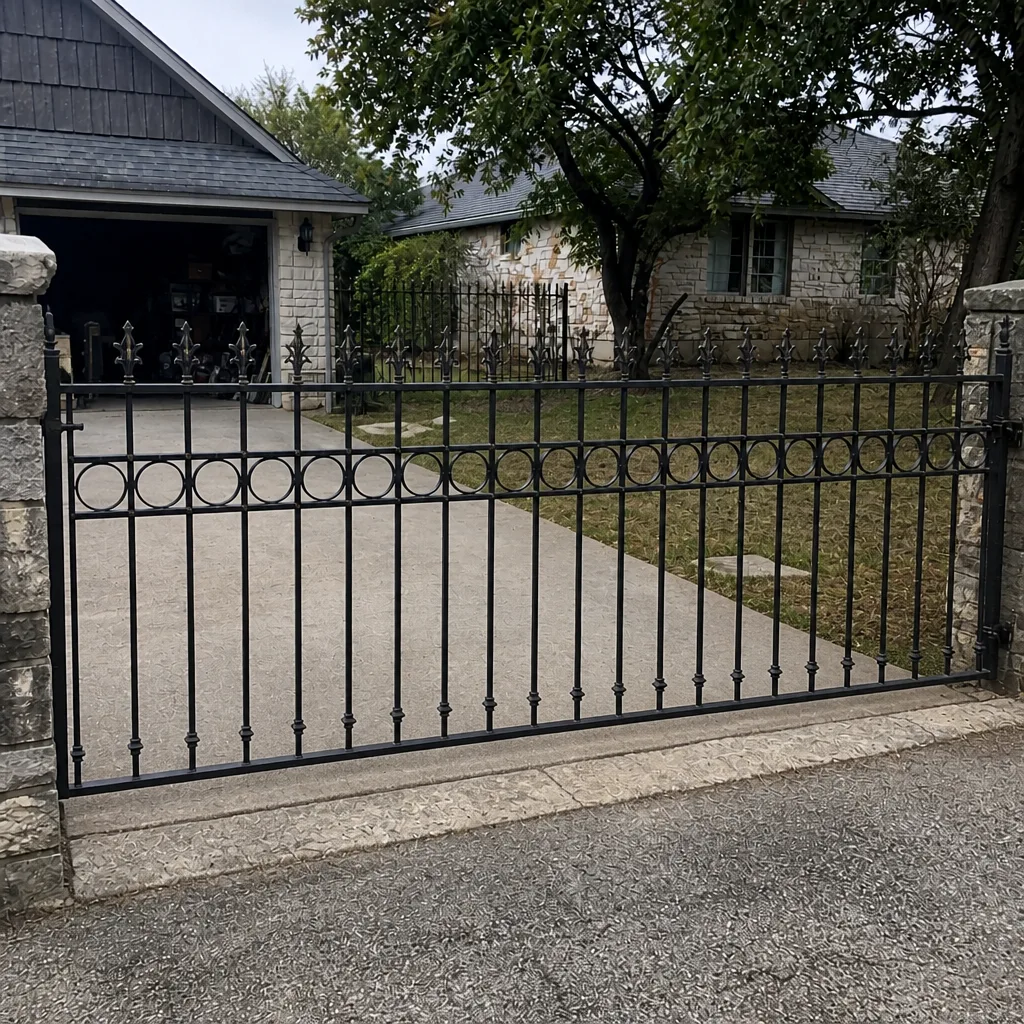 After
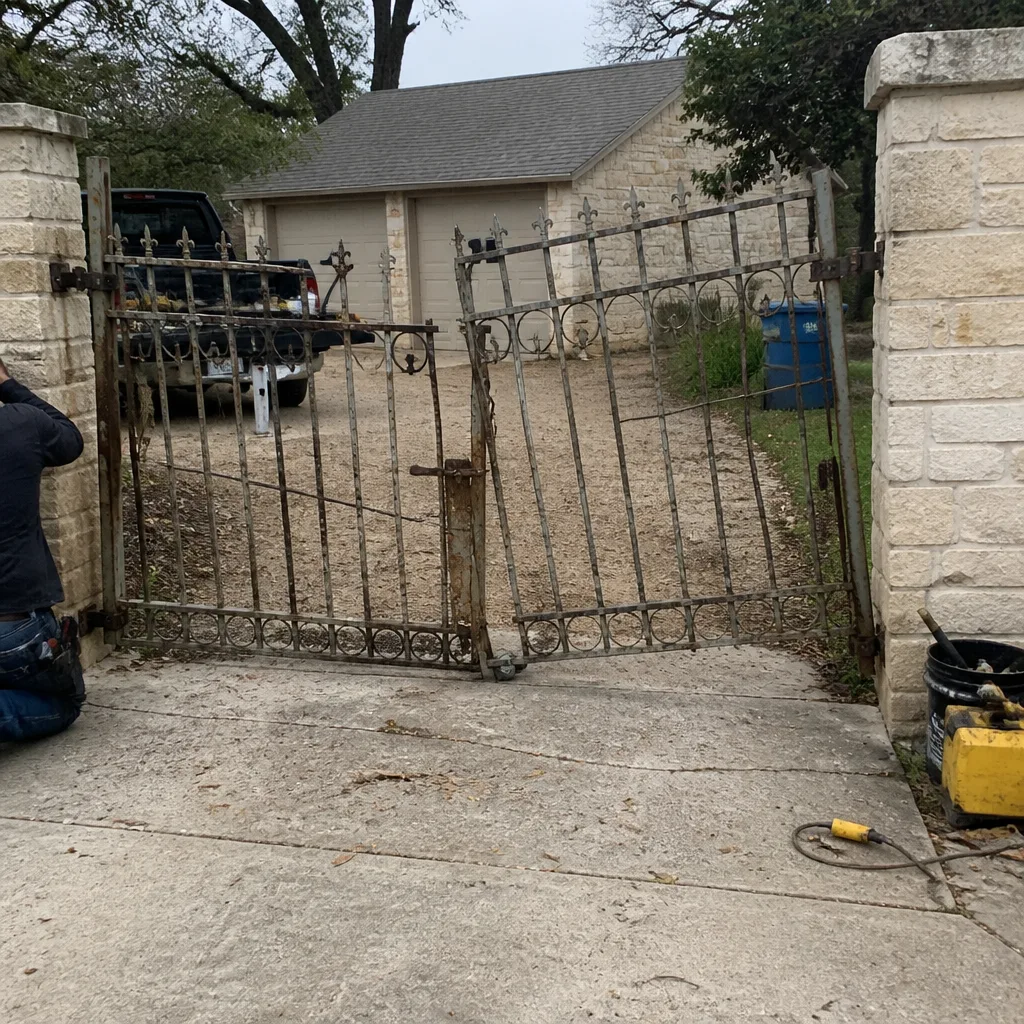 Before
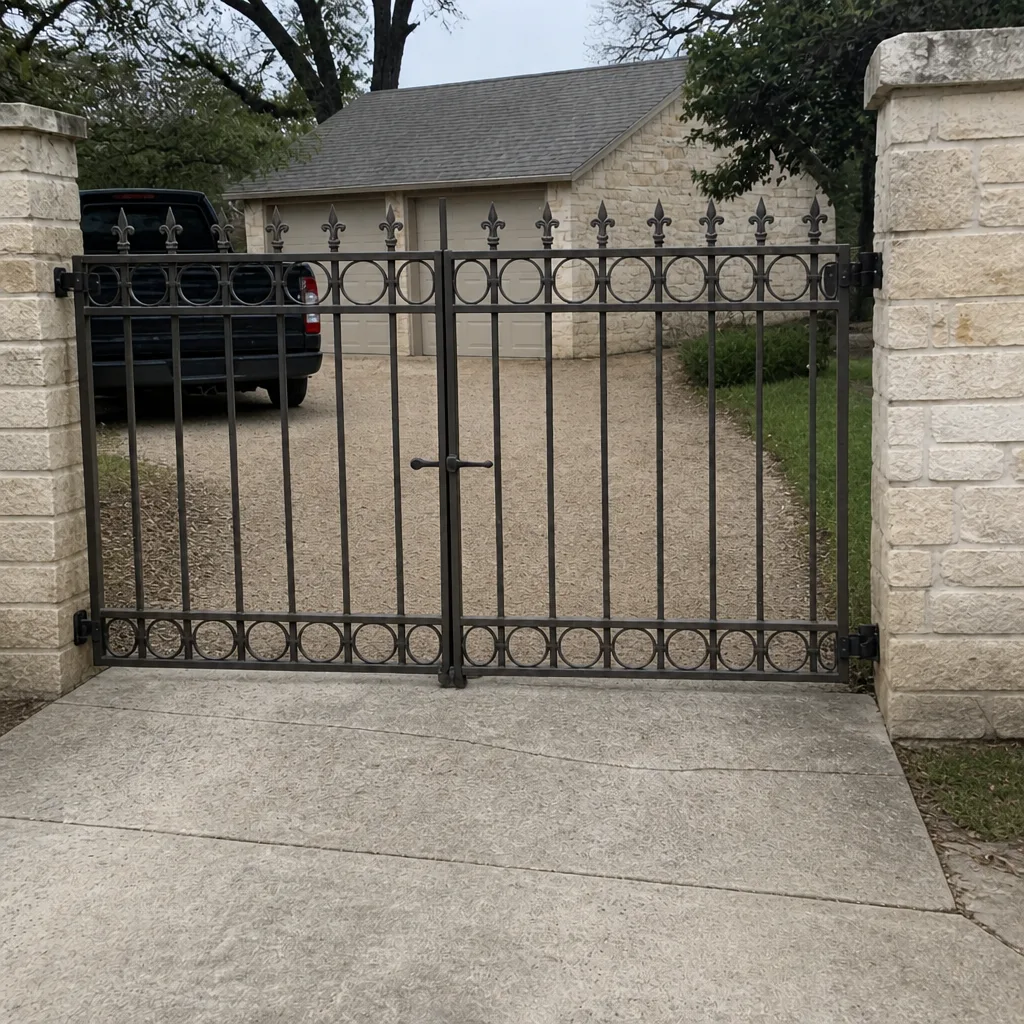 After
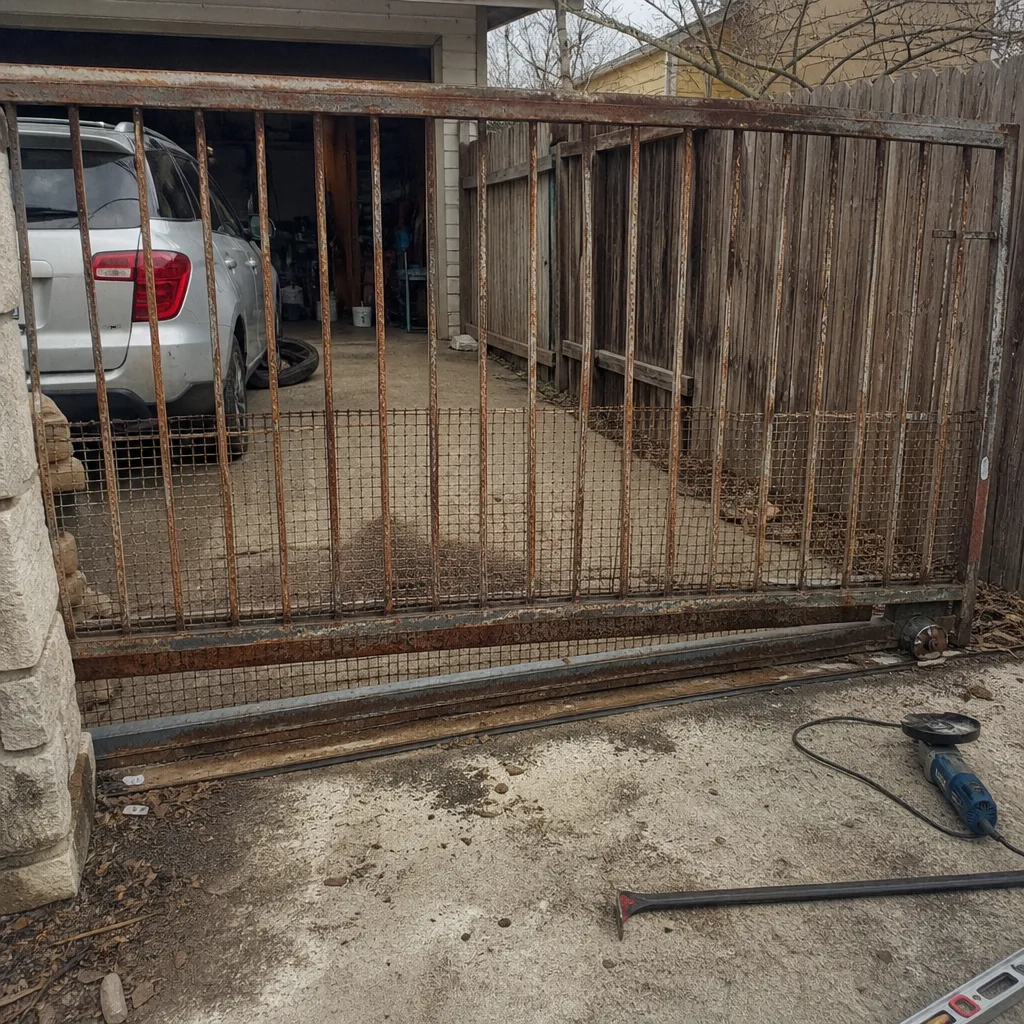 Before
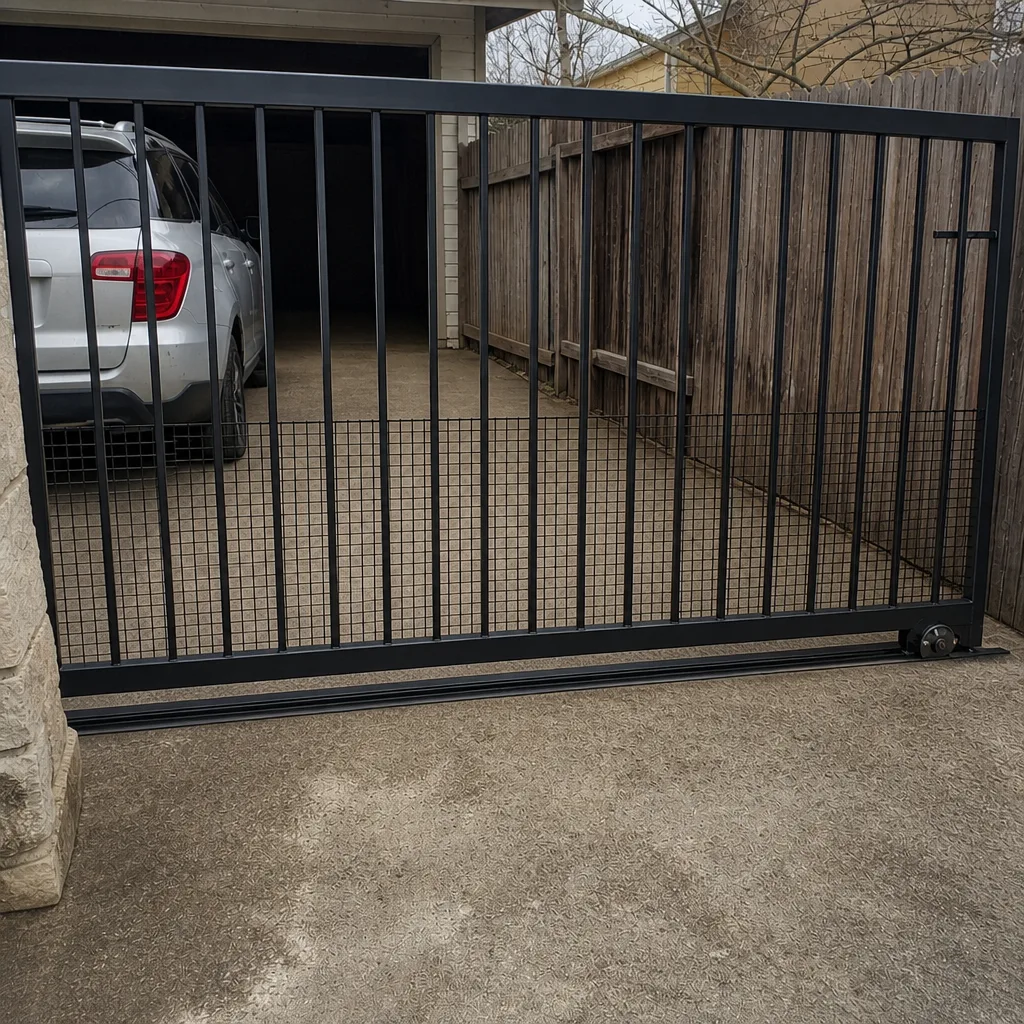 After