
Last updated November 15, 2026
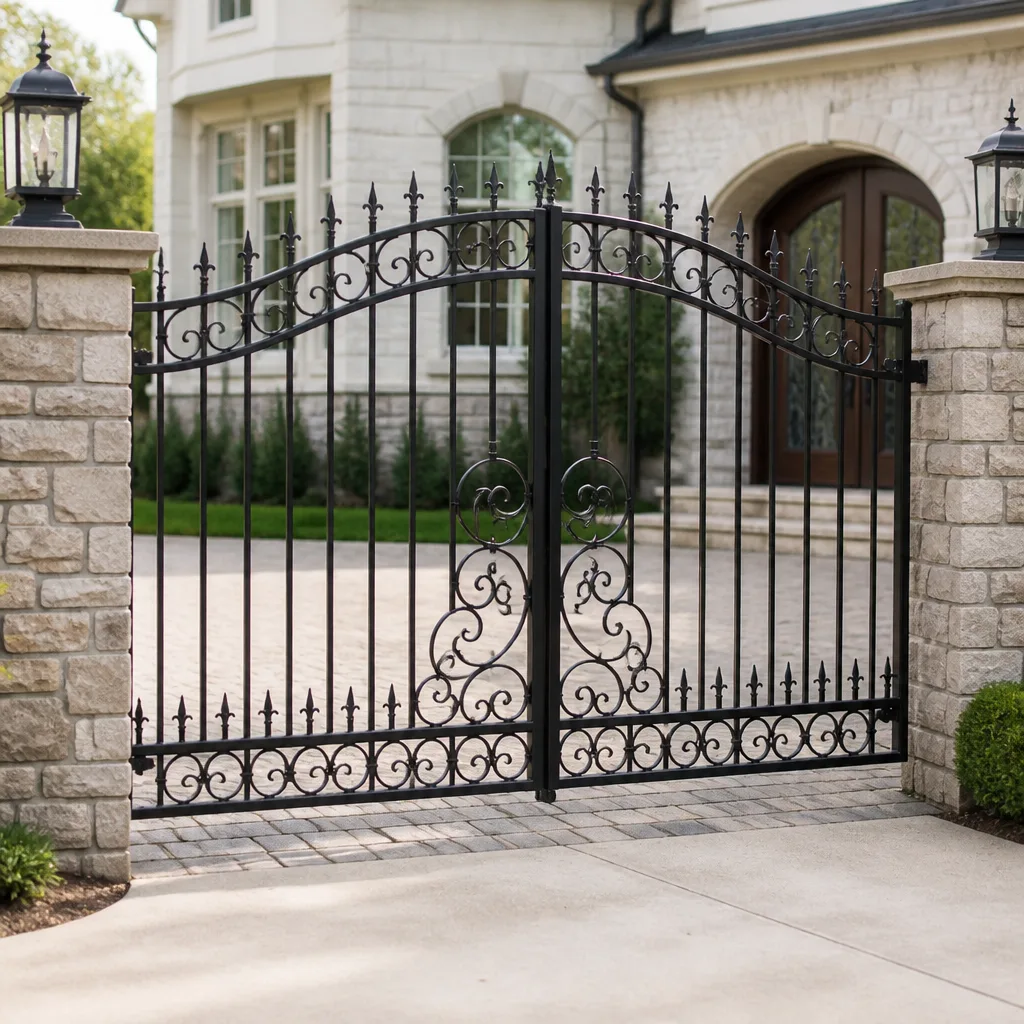 Wrought iron
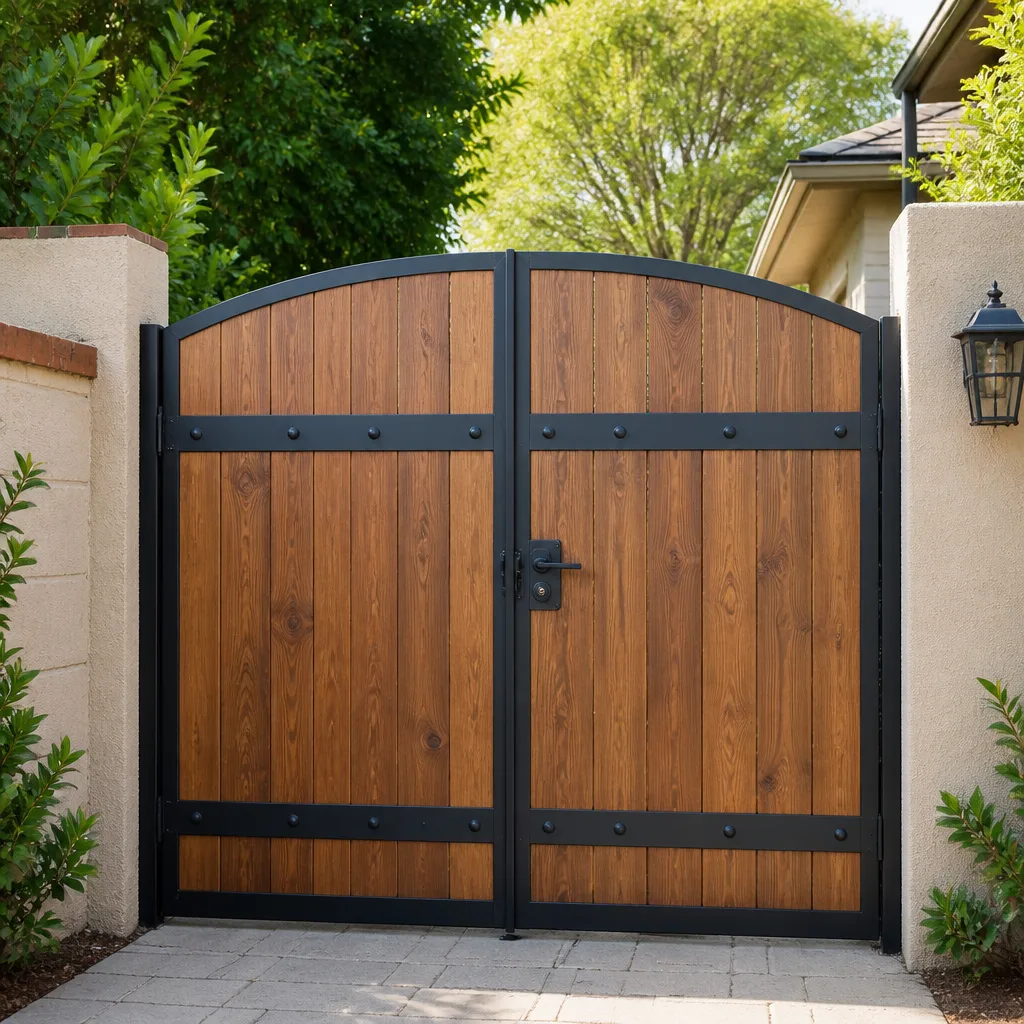 Wood & steel frame
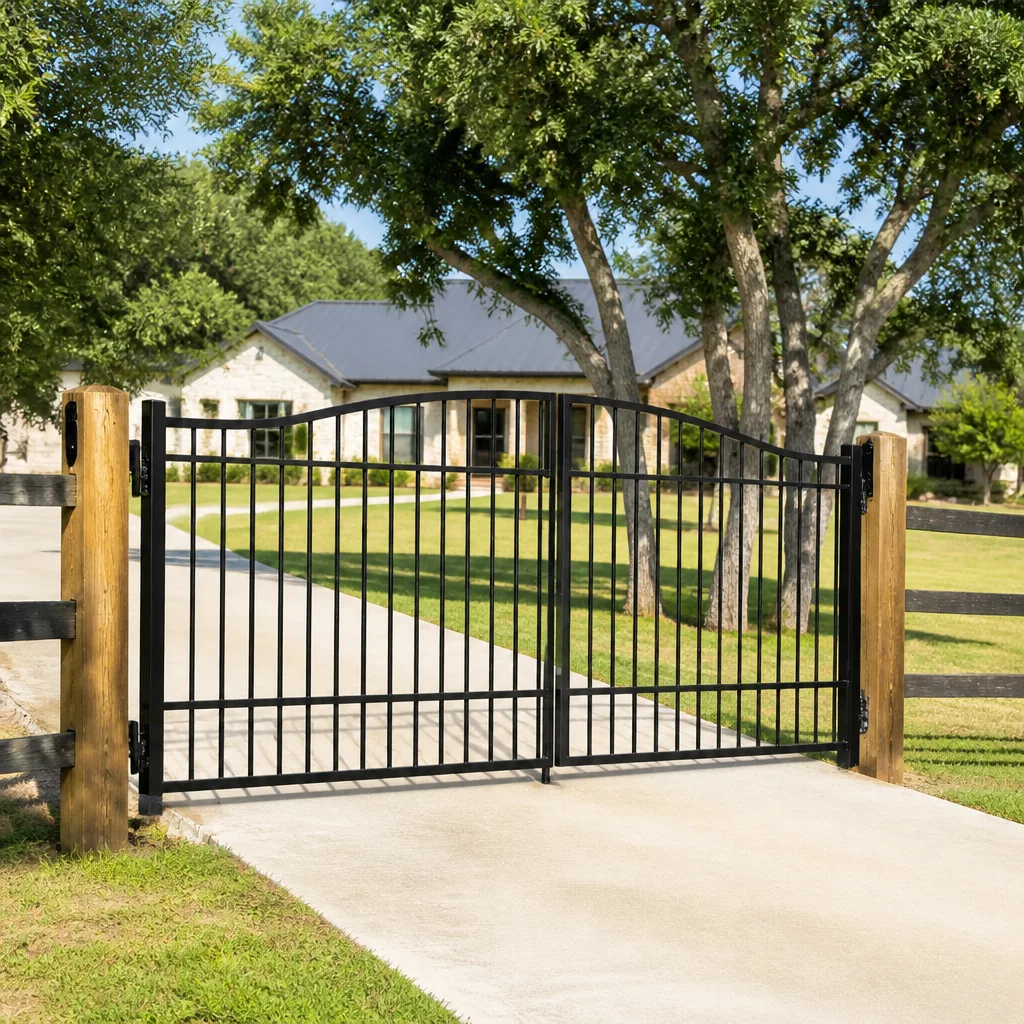 Farm & ranch
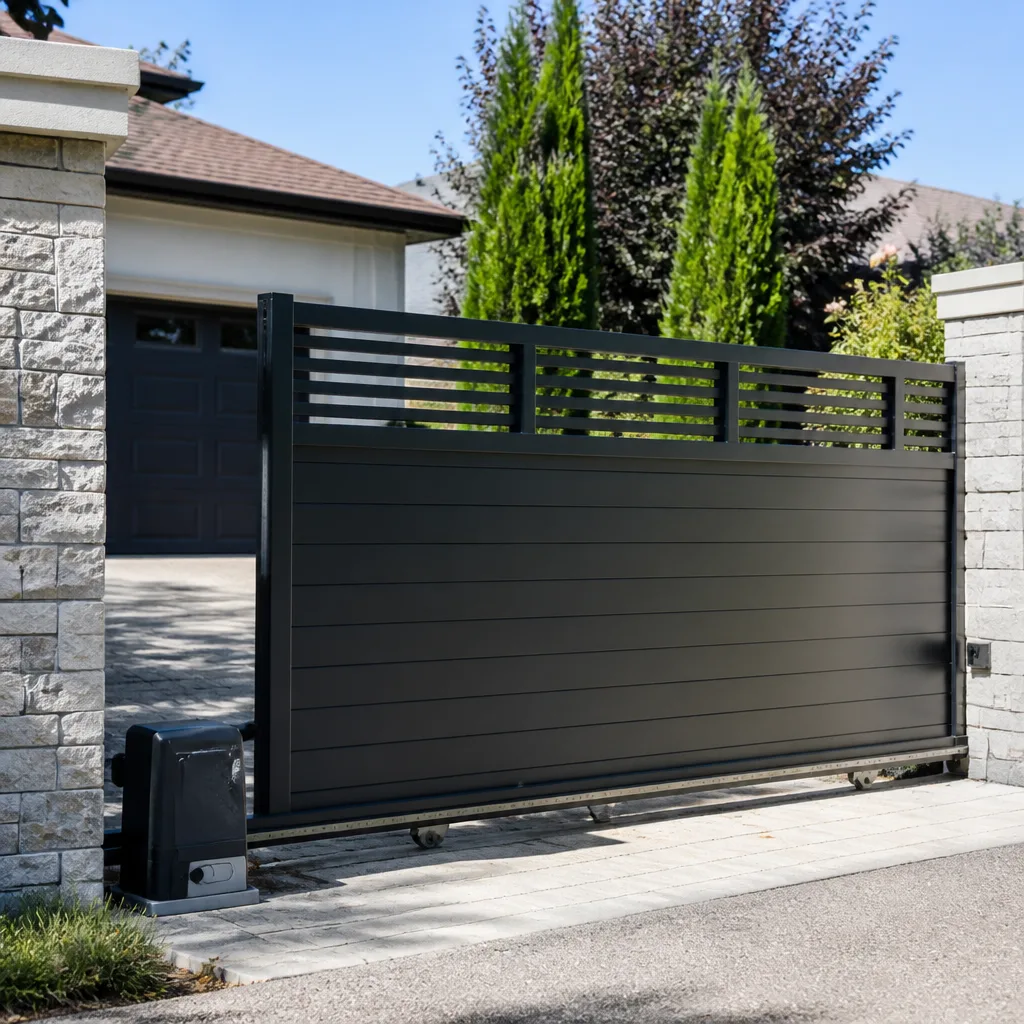 Sliding driveway gates
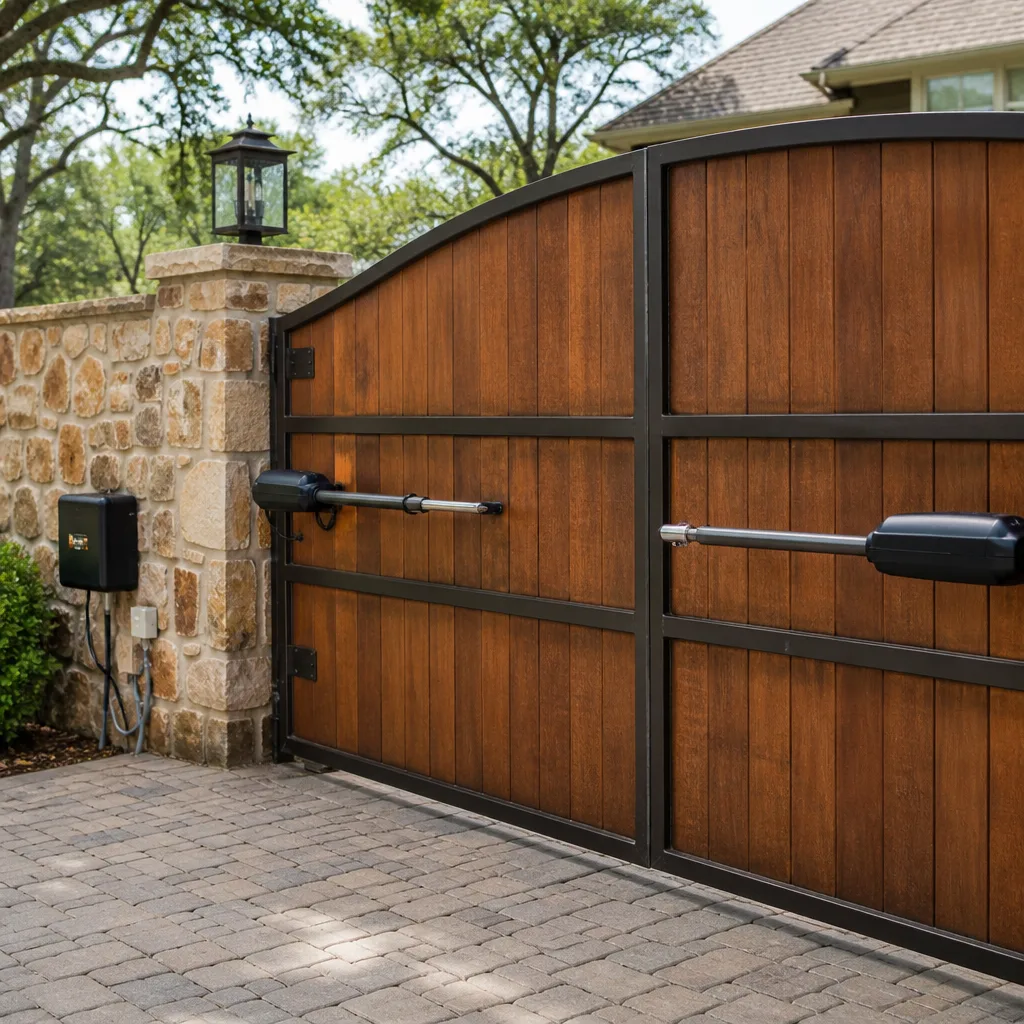 LiftMaster operators
Free on-site gate assessment - hinges, posts, and your LiftMaster or Nice gate operator checked before anything is quoted
The assessment is free and the quote is the invoice.
Get your free estimateGate Repair Permits, Codes & Inspections in Round Rock, TX: What You Need to Know
Here’s the part most homeowners get backwards: the repair itself is rarely the permit problem. Swapping a hinge, aligning a latch, replacing a control board – none of that typically needs a stamp from the city. The permit question almost always comes down to power and structure. If your gate repair involves relocating or adding a 120V circuit to feed a new operator, you’ve crossed into permitted electrical work no matter how minor the job looks on paper. That line matters most when you go to sell or file a claim years later. This guide draws it clearly for Round Rock homeowners, property managers, and business owners, and shows what inspectors actually look at.
Quick Answer
Most residential gate repairs in Round Rock don’t require a permit – routine fixes like hinge replacement, operator repair, sensor alignment, or a like-for-like operator swap on an existing circuit fall under ordinary repair. A permit is typically triggered when you add or relocate a 120V electrical circuit, install a new operator that needs new power, replace structural posts in an engineered masonry pillar, or modify a fence in a way that changes its height or setback. Automated gates must also meet UL 325 safety standards and any HOA overlay rules that apply to your subdivision.
Styles & brands we work with
- Wrought iron
- Wood & steel frame
- Farm & ranch
- Sliding driveway gates
- LiftMaster operators
Table of Contents
- Who Has Jurisdiction in Round Rock: City Limits vs. Unincorporated County
- The Four Scope Triggers That Pull a Gate Repair Into Permit Territory
- UL 325 Compliance and Choosing a Replacement Operator
- HOA Overlay Rules: Walsh Ranch, Avery Ranch, and Master-Planned Communities
- What a Gate Inspection Actually Checks
- The Electrical Question: When the Power Run Is the Real Job
- What Paperwork to Keep and Why It Matters at Resale
Who Has Jurisdiction in Round Rock: City Limits vs. Unincorporated County
The first question isn’t “does my repair need a permit” – it’s “who decides.” Round Rock sits inside Williamson County, but city limits and unincorporated county land operate on different thresholds, and those thresholds change how a gate project gets reviewed. Getting this wrong is the most common reason a homeowner shows up at the permit counter with the wrong forms.
If your property is inside Round Rock city limits, residential construction and electrical work fall under City of Round Rock Development Services. That includes the electrical permit for a new operator circuit and any structural work tied to a building permit. The city is the authority having jurisdiction, and the inspector who signs off is a city inspector.
If your property is in unincorporated Williamson County – outside the city limits – the county handles permitting, and the thresholds differ. Some electrical work that would require a permit inside the city may be reviewed differently in the county, and vice versa. Before you assume, confirm your jurisdiction. A quick check of your address against the city’s boundary map settles it.
Here’s the practical version: run your address first, then ask about the specific scope. Development Services can tell you in a phone call whether a given repair needs a permit. You don’t need to guess, and you don’t need to hire anyone to find out.
- Inside city limits: City of Round Rock Development Services handles permits and inspections.
- Unincorporated county: Williamson County handles permitting, with different thresholds.
- Commercial properties: Confirm with Development Services early – commercial access-control work often has stricter review than residential.
The Four Scope Triggers That Pull a Gate Repair Into Permit Territory
Most gate work we see in Round Rock is repair, and repair is usually exempt. But four specific scopes cross the line. If your job hits any of these, treat it as permitted work and plan accordingly.
- New operator installation. A brand-new automated operator – whether it’s a LiftMaster residential unit or a FAAC system on a heavier driveway gate – typically requires an electrical permit because it involves a new connection to the home’s power. Even if the gate already had an operator, a replacement that needs a new circuit or a relocated one falls here.
- Electrical circuit addition or relocation. This is the big one. If the repair involves running a new 120V circuit, moving an existing one, or adding a disconnect, you’re in permitted electrical work. It doesn’t matter how small the run looks or how simple the operator is.
- Structural post replacement in engineered masonry pillars. Swapping a standard steel post is repair. Replacing a structural post embedded in an engineered masonry pillar – the kind holding up a heavy ornamental gate – is structural work. That usually needs a building permit and an inspection, because the pillar carries load and the gate’s weight depends on it.
- Fence modifications that change height or setback. If your gate repair involves shifting the fence line, raising the fence, or moving the gate’s set-back position relative to the property line, you’ve changed the footprint. That triggers review, because height and setback are regulated.
Anything outside these four is generally routine repair. A worn roller, a misaligned photo-eye, a control board that failed, a hinge that’s sagging – those are fix-it jobs, not permit jobs. When in doubt, call Development Services with your address and a one-line description of the scope. It takes five minutes.
UL 325 Compliance and Choosing a Replacement Operator
UL 325 is the safety standard for automated gate operators, and in practice it functions as a code standard even where no local ordinance spells it out. Every operator sold in the US today is designed to meet it. That matters most when the original unit on your gate is discontinued and you’re choosing a replacement – because the new operator has to satisfy UL 325’s requirements for entrapment protection, and that changes what “compatible” means.
UL 325 requires the operator to work with entrapment protection devices – typically photo-eyes and safety edges – and requires the installation to include them where the gate could close on a person or vehicle. On a residential driveway gate in Round Rock, that usually means a pair of photo-eyes across the opening and a safety edge on the closing side of the gate leaf. On a commercial access system, the standard demands more: additional detection points, audible warnings, and reliable reversal logic.
When your old operator is discontinued, the replacement has to bring that protection with it. You can’t drop in a newer unit and reuse the old sensors if they aren’t compatible. That’s not a sales pitch – it’s the reason a like-for-like swap sometimes involves new photo-eyes and a new safety edge. The operator brand matters less than whether the whole system meets UL 325 together.
We work across the full spectrum of brands – LiftMaster, FAAC, BFT, Linear, Viking, Ghost Controls, DoorKing, Elite, and Mighty Mule – which means we’re not steering you toward one manufacturer’s logic board because that’s what we sell. We’re matching a replacement to what your gate needs and what UL 325 requires. If your gate repair is really a “replace the whole operator” job, that’s the conversation to have before you buy anything.
- Photo-eyes: required at the gate opening to detect obstructions.
- Safety edges: required on the closing side to reverse on contact.
- Reversal logic: the operator must respond to a signal from those devices.
- Audible warning: typically required on commercial and heavier residential operators.
HOA Overlay Rules: Walsh Ranch, Avery Ranch, and Master-Planned Communities
City and county codes are the floor. In Round Rock’s master-planned communities – Walsh Ranch, Avery Ranch, and similar subdivisions – the HOA overlay can be stricter than the code, and it’s enforced separately. A gate that passes city inspection can still fail HOA review, and the HOA can require changes the city doesn’t care about.
What HOA overlays typically control:
- Gate style and materials. Color, finish, and material have to match the community standard. A replacement gate leaf in a different metal finish may need HOA approval before it goes up.
- Height and visibility. Some communities cap fence and gate height below what the city allows, or restrict how much of the gate is visible from the street.
- Setback from the property line. HOA rules sometimes require a deeper setback than the city’s minimum.
- Operator noise and placement. Some overlays restrict where the operator housing sits relative to the fence line, and a few communities have noise expectations for the motor.
The sequence matters. Get HOA approval before you order materials, not after. In our experience, the homeowners who run into trouble are the ones who get the gate installed, then discover the architectural review committee wanted a different finish. Reversing that is expensive. The approval itself is usually a form and a photo of the proposed gate – straightforward if you do it first.
If your property manager handles an access-control gate in a commercial or multi-tenant setting, the same principle holds: check the property’s governing documents for gate rules before you make structural changes. The HOA or property association is a separate authority from the city, and both have to be satisfied.
What a Gate Inspection Actually Checks
If your repair does require a permit, an inspector will come out. Knowing what they look at helps you spot a problem before they do – and it’s a fair way to judge whether the installation was done right in the first place. Here’s the sequence most gate inspections follow.
- Power and disconnect. The inspector confirms the electrical feed is correct, the circuit is properly sized, and there’s a working disconnect for the operator. This is the part that fails most often when a homeowner has done electrical work without a permit – not because the work is unsafe, but because it’s undocumented.
- Operator mounting and structural integrity. The operator has to be mounted to solid structure – not a post that will shift. The inspector checks that the mounting is secure and that the gate swings or slides without binding.
- UL 325 entrapment protection. Photo-eyes in place and functioning, safety edges present where required, reversal logic working. The inspector will typically trigger the safety device by hand and watch the gate reverse.
- Gate travel and clearance. The gate has to open and close fully without hitting anything, and the clearance at the bottom of the gate matters for slide gates.
- Signage and warnings. Commercial and heavier residential operators need warning placards visible near the gate.
- Paperwork match. The permit scope has to match what’s installed. If the permit said “relocate circuit” and the install added a second operator, you’ll be writing a revision.
Everything on that list is something a qualified gate technician checks before the inspector arrives. The difference between a clean inspection and a re-inspection is almost always preparation, not luck.
The Electrical Question: When the Power Run Is the Real Job
Here’s where most of the confusion lives. A gate that stops opening is a repair problem. A gate that needs a new operator on a new circuit is an electrical problem wearing a gate costume. Those are two different jobs with two different permitting paths, and mixing them up is how homeowners end up with an unpermitted modification on their hands.
When the power side is the real job:
- New operator, new feed. The operator needs 120V, and the existing circuit can’t serve it. That’s a new electrical permit.
- Relocated operator. Moving the operator housing means moving the power to it. Same rule.
- Added disconnect. A disconnect installed for service access requires an electrician and typically a permit.
- Upgraded circuit for a heavier gate. A commercial-grade operator draws more than a residential one, and the circuit has to match.
This work belongs to a licensed electrician. We handle the gate side – the operator, the control board, the safety devices, the access hardware – and we can work alongside your electrician so the two schedules line up. That handoff is normal, and it’s better than having one trade guess at the other’s job.
What you don’t want is an operator wired into an existing circuit without documentation. It may work fine for years. The problem surfaces at resale or claim time, when a buyer’s inspector asks for the permit and there isn’t one. An unpermitted electrical modification on an automated gate can complicate a sale or an insurance claim, and unwinding it later costs more than doing it right the first time. If you’re not sure whether your gate’s power was ever permitted, checking the permit history is a cheap first step.
What Paperwork to Keep and Why It Matters at Resale
The paperwork trail is the difference between a gate that adds value and a gate that raises questions. When you sell a home in Round Rock, the buyer’s inspector will look at the gate and operator. If it’s an automated system, they’ll ask whether it was permitted and whether it meets UL 325. Having the paper is what answers those questions without delay.
Keep the following:
- Electrical permit and final inspection sign-off for any operator that was newly installed or relocated.
- Building permit and inspection record for structural post replacement in masonry pillars.
- Operator documentation – the model, the UL 325 compliance spec, and the manual.
- HOA approval for the gate’s style and materials if you’re in an overlay community.
- Service records for repair work, including any control board or sensor replacement. Not a code requirement, but useful when a buyer asks how the gate has been maintained.
If you’ve bought a home where the gate was installed by the previous owner, do a permit-history check before the sale goes pending. Most of the documentation is available through Development Services if you know the address and the approximate year of installation. Getting ahead of that question is easier than answering it under a deadline.
Common Mistakes to Avoid
- Assuming all repairs are exempt. Routine fixes rarely need a permit, but relocating or adding a 120V circuit is permitted work – and skipping that step is the mistake we see most often in Round Rock.
- Getting HOA approval after ordering materials. In Walsh Ranch and Avery Ranch, the HOA overlay is stricter than city code and runs on its own timeline. Approval before order, every time.
- Confusing the operator brand with the standard. A LiftMaster or a FAAC operator doesn’t make a system UL 325 compliant on its own; the safety devices and the installation do.
- Skipping the jurisdiction check. Whether you’re inside Round Rock city limits or in unincorporated Williamson County changes who signs off, and the thresholds differ. Run your address first.
- Replacing an operator without the matching safety devices. When the original unit is discontinued, the new operator often requires new photo-eyes and a new safety edge. Reusing incompatible sensors defeats the point.
- Treating a structural post in an engineered pillar as routine repair. That’s load-bearing work. Replacing it without a permit is the kind of oversight that surfaces at resale.
- Letting a handyman wire the operator. The gate side and the electrical side are different trades. A generalist install is where undocumented modifications start.
See the difference
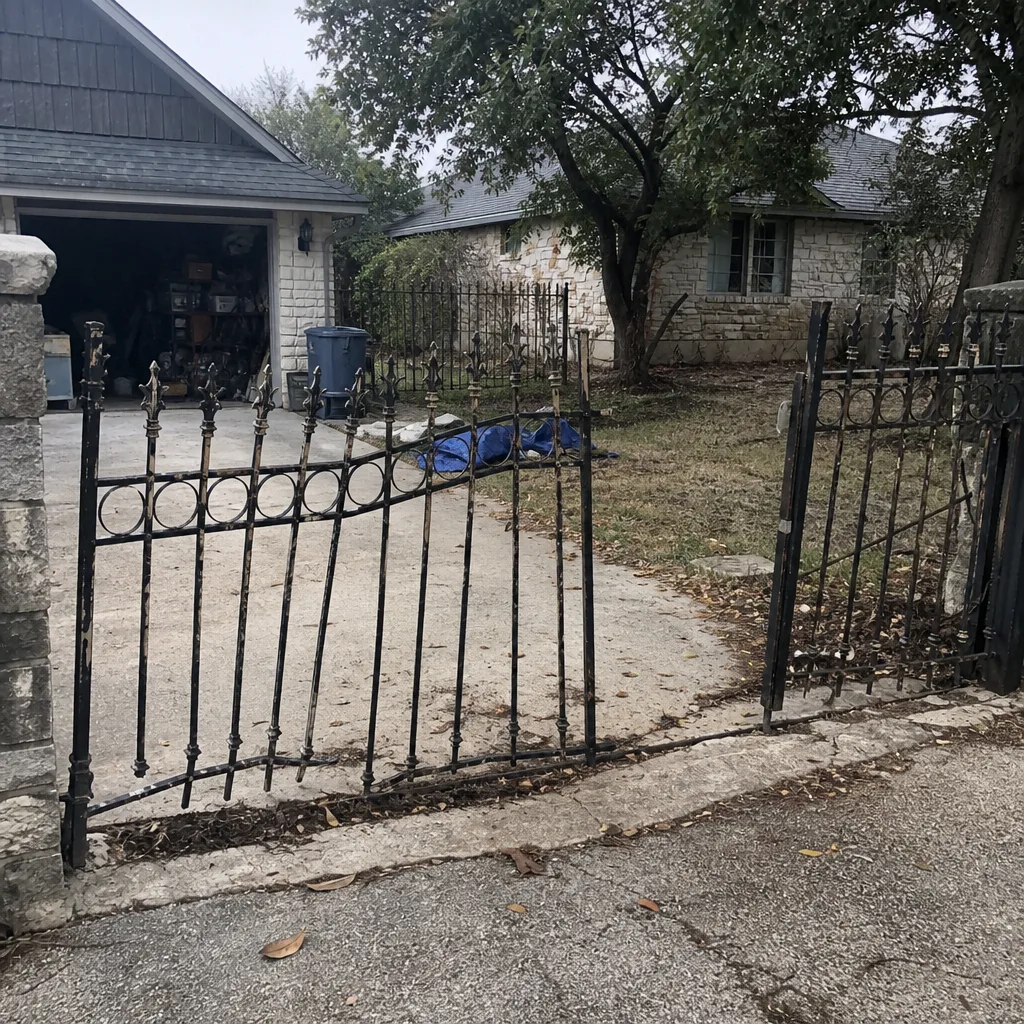 Before
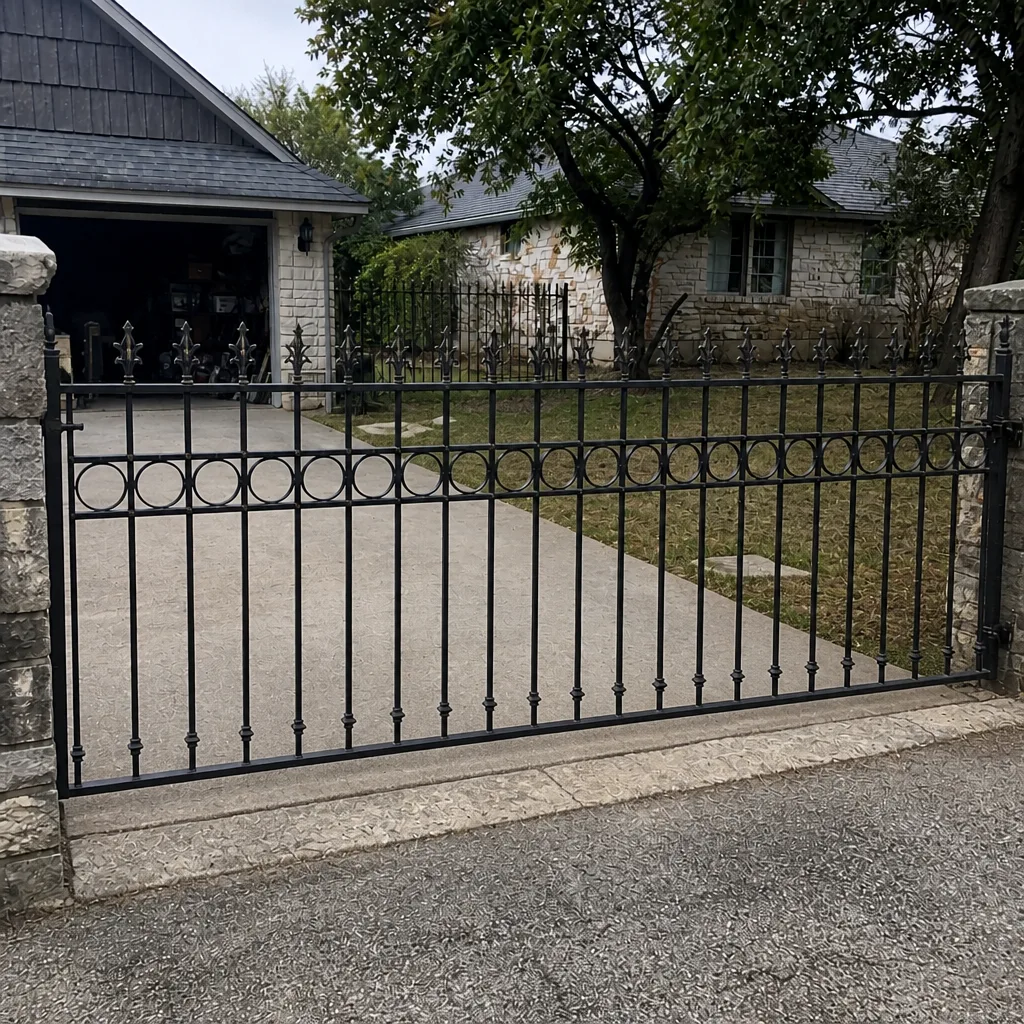 After
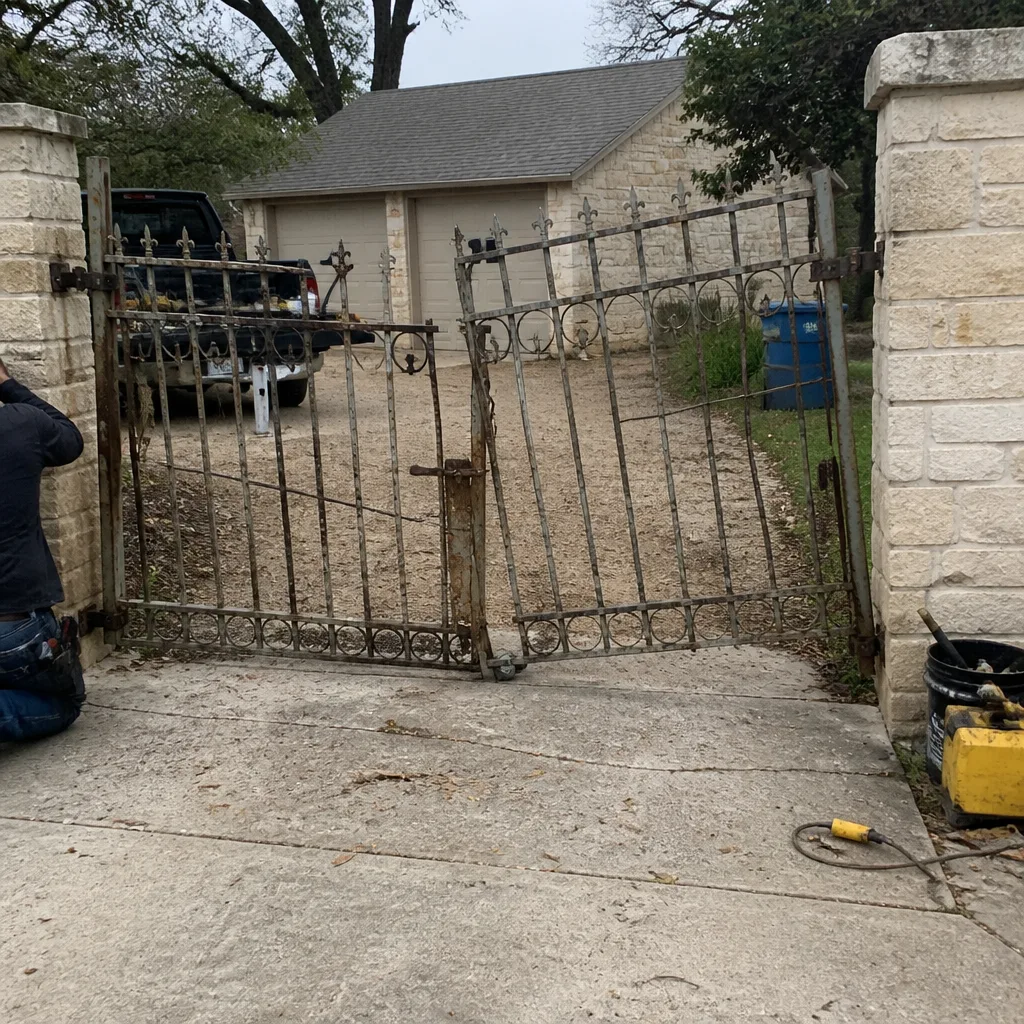 Before
 After
 Before
 After
When to Call a Professional
Call a dedicated gate technician when the operator needs electrical diagnosis, when the gate is binding or off its track after a structural change, when the replacement operator is a brand your handyman can’t source support for, or when you’re not sure whether the repair crosses into permit territory. Commercial access systems and anything involving a DoorKing or Elite operator should go to a specialist from the start. As a dedicated gate trade, we work on electric, automated, and manual gates across Round Rock and know what the city and county look for on inspection day. Gate Repair Round Rock offers free estimates in Round Rock – call (888) 853-0490.
Frequently Asked Questions
Usually no – routine gate repairs like hinge replacement, sensor alignment, operator control board fixes, and like-for-like operator swaps on an existing circuit don’t require a permit in Round Rock. You do need one when the scope involves adding or relocating a 120V circuit, installing a new operator that needs new power, replacing a structural post in an engineered masonry pillar, or modifying the fence line in a way that changes height or setback. Call (888) 853-0490 for an exact quote on your repair – estimates are free.
Yes, typically. A new operator installation usually requires an electrical permit because it involves a new connection to your home’s 120V power. The same applies if you relocate an existing operator or add a disconnect. The electrical work belongs to a licensed electrician; the gate side – the operator, control board, and safety devices – is a technician’s job. Call (888) 853-0490 for a free estimate on the gate portion – estimates are free.
UL 325 is the safety standard for automated gate operators, and it functions as a de facto code requirement because every operator sold today is designed to meet it. It requires the operator to work with entrapment protection devices – photo-eyes at the opening and a safety edge on the closing side – so the gate reverses if someone is in the way. If the original operator is discontinued and you’re choosing a replacement, the new unit has to meet UL 325 with compatible safety devices. Call (888) 853-0490 to talk through an operator replacement – estimates are free.
Yes, they can be, and they’re enforced separately. HOA overlays in master-planned communities like Walsh Ranch and Avery Ranch often control gate style, material, finish, height, setback, and operator placement – sometimes tighter than the city’s minimums. A gate that passes city inspection can still fail the HOA review. Get HOA approval before you order materials. Call (888) 853-0490 with questions about a repair that might touch an overlay rule – estimates are free.
A gate inspection checks the electrical feed and disconnect, the operator mounting and structural integrity, UL 325 entrapment protection devices (photo-eyes and safety edges), the gate’s travel and clearance, required warning signage, and whether the permit scope matches what was installed. Most failed inspections come down to undocumented electrical work or missing safety devices, both of which are fixable before the inspector arrives. Call (888) 853-0490 to have a technician review your install first – estimates are free.
Yes, many gate repairs can be handled same day – hinge, sensor, control board, and general operator fixes are typically straightforward once the problem is diagnosed. Permitted work is different: anything involving a new electrical circuit or structural post replacement is scheduled around the permit and the inspection, so those jobs take longer by design. Call (888) 853-0490. We answer 24/7. Fast dispatch from 7am to 7pm, Sunday through Friday.
The Bottom Line
The line in Round Rock is simpler than it looks. Routine repair – hinges, sensors, control boards, operator fixes on existing power – is exempt. Adding or moving a 120V circuit, installing a new operator that needs new power, replacing a structural post in an engineered pillar, and modifying fence height or setback are the permit triggers. On top of that, UL 325 safety requirements apply to any automated gate, and HOA overlays in communities like Walsh Ranch and Avery Ranch can be stricter than the city. Get the jurisdiction right, keep the paperwork, and the question never comes back at resale. As a dedicated gate trade, we handle the gate side and coordinate with your electrician on the power side – and with brands like Elite, Mighty Mule, and LiftMaster, we cover what most competitors can’t.
If your gate is failing or you need a permit-safe install, Gate Repair Round Rock is the team to call. We offer gate repair for routine fixes, electric gate repair for operator and control-board problems, and new installation when a gate is beyond saving. Our technicians have up to 11 years of experience, and we’re licensed and insured for both residential driveway gates and commercial access systems. Call (888) 853-0490 for a free estimate. We answer 24/7. Fast dispatch from 7am to 7pm, Sunday through Friday.
Written by the team at Gate Repair Round Rock.