
Last updated November 15, 2026
 Wrought iron
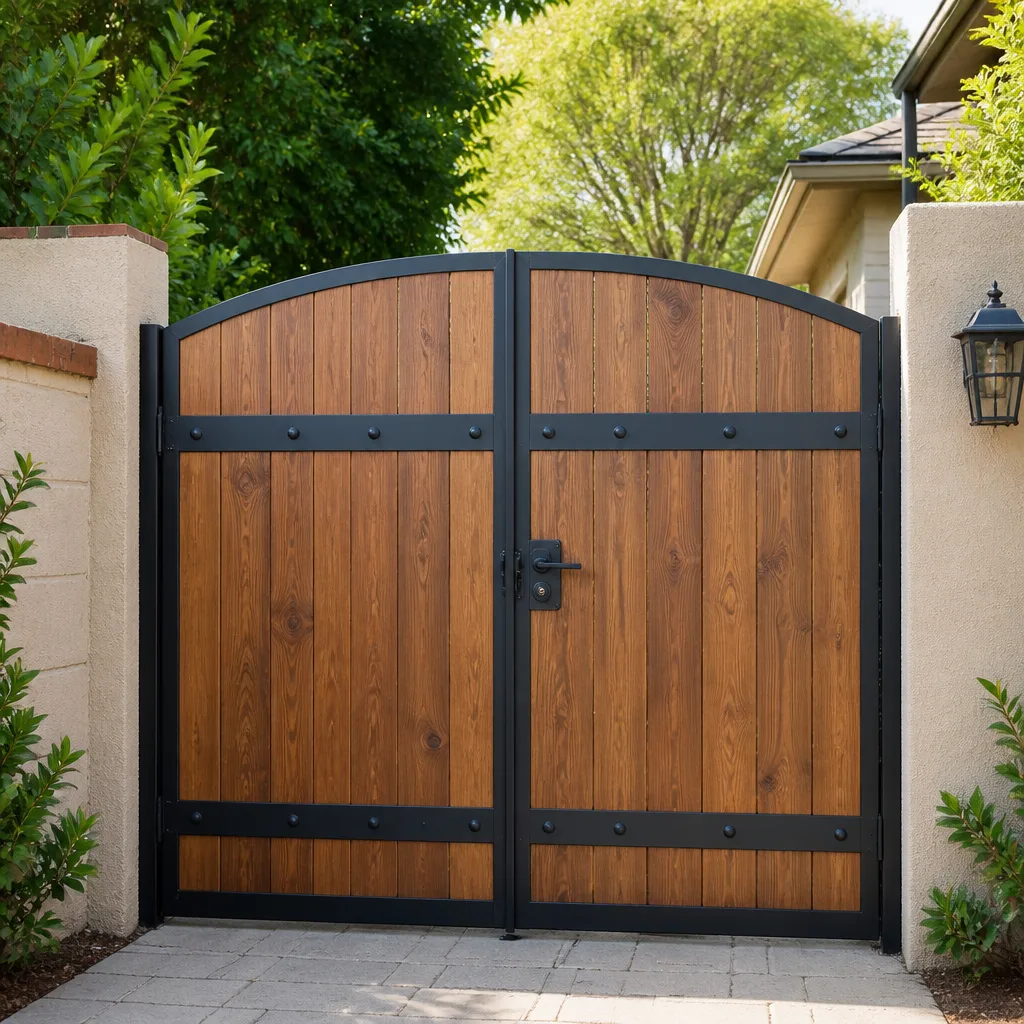 Wood & steel frame
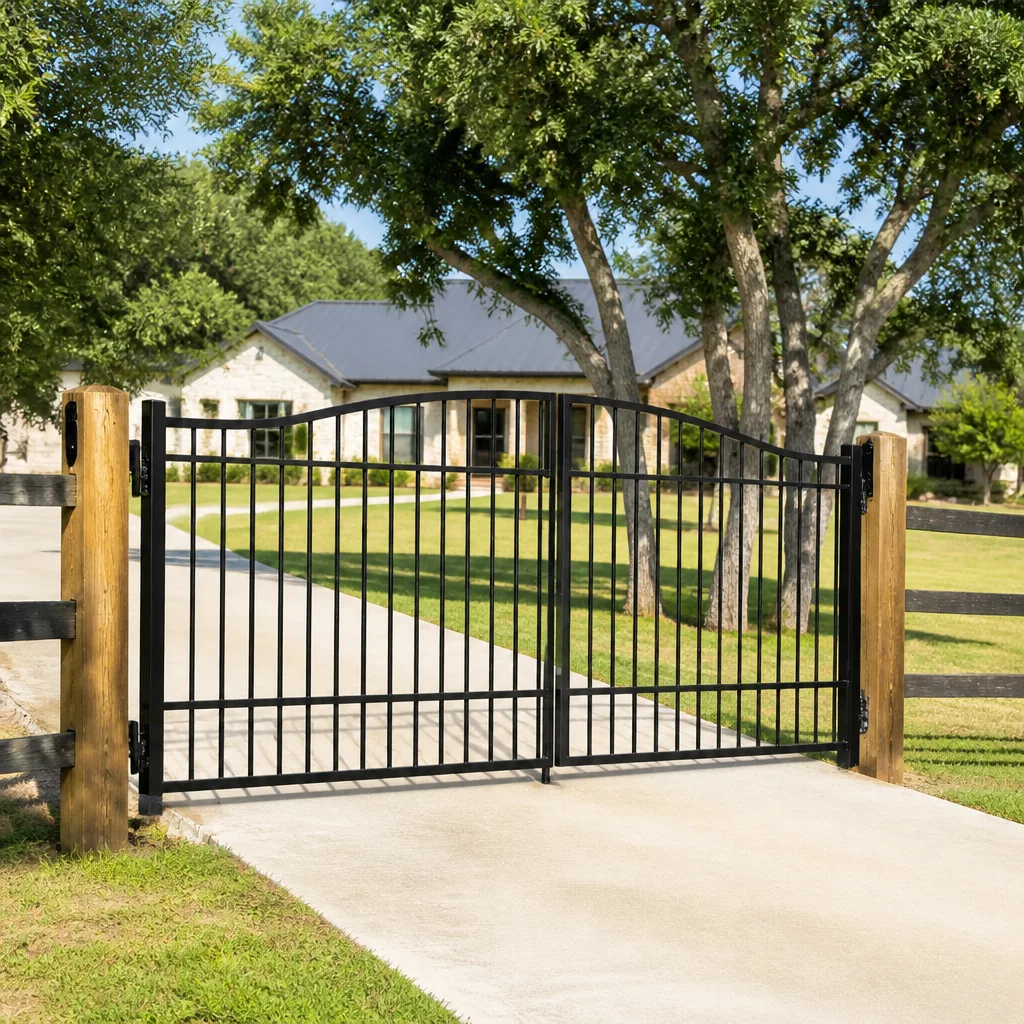 Farm & ranch
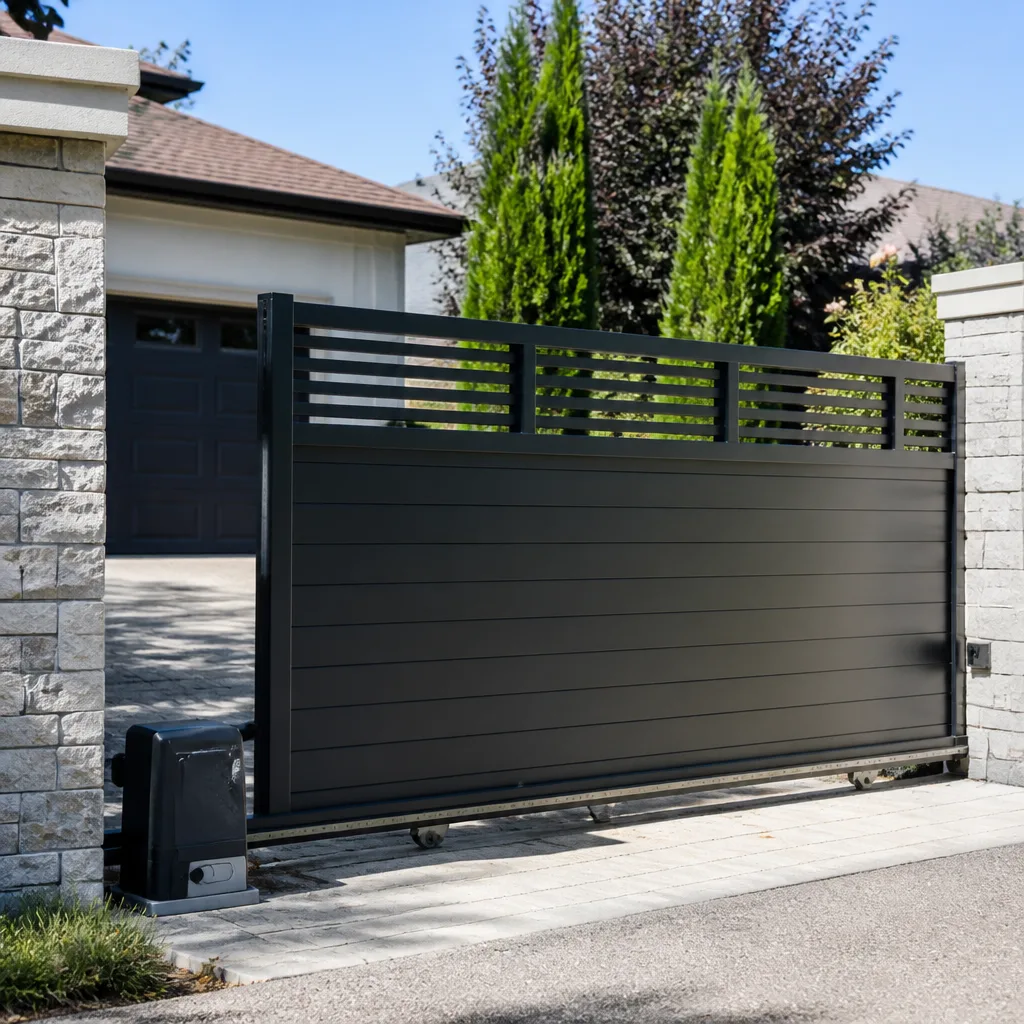 Sliding driveway gates
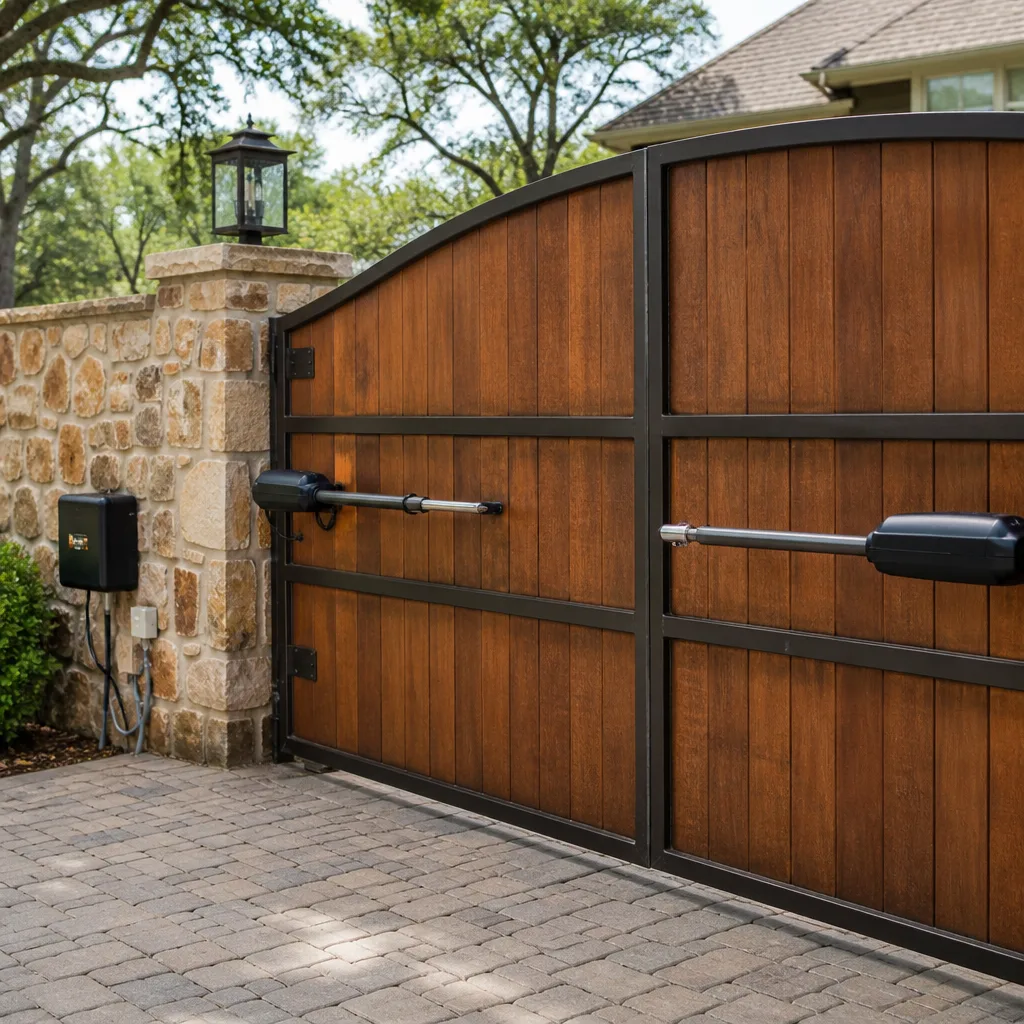 LiftMaster operators
Free on-site gate assessment - hinges, posts, and your LiftMaster or Nice gate operator checked before anything is quoted
The assessment is free and the quote is the invoice.
Get your free estimateGate Repair Maintenance Checklist for Round Rock Homeowners
Most gate owners think maintenance means squirting some lubricant on the hinges and calling it a day. That’s the easy half. The half that actually keeps your gate working – the electrical side – is the half almost nobody tests. The UL 325 safety standard for automatic gate operators calls for functional reversal testing every 30 days, and the reality is that very few residential gate owners in Texas have ever run that test even once. This guide separates the mechanical checklist from the electrical checklist, gives you real frequencies for each, and explains how the Round Rock heat and Central Texas storms change the schedule. By the end you’ll know exactly what to check, what to leave alone, and when to call us.
Quick Answer
A residential gate maintenance checklist has two halves: a mechanical list (hinge torque, wheel condition, track debris, post stability) checked monthly to quarterly, and an electrical list (safety reversal, limit switches, safety edge continuity, loop detectors) tested every 30 days per UL 325 and inspected by a technician once a year. In Round Rock, add a post-storm inspection after every hail or high-wind event, because heat above 100°F and wind-driven debris both accelerate wear on gate components.
Styles & brands we work with
- Wrought iron
- Wood & steel frame
- Farm & ranch
- Sliding driveway gates
- LiftMaster operators
Table of Contents
- Why the Electrical Checklist Matters More Than You Think
- The Mechanical Checklist: What to Check and How Often
- The Electrical Checklist: The Half Most Owners Skip
- How Round Rock Heat Changes the Maintenance Schedule
- Post-Storm Inspection: Hail, Wind, and Lightning Surges
- Lubrication Specs: What to Use, Where, and What Never to Touch
- Which Jobs Void a Manufacturer Warranty
- A Monthly and Seasonal Schedule for Round Rock
Why the Electrical Checklist Matters More Than You Think
An automatic gate is an electromechanical system, not a fence. The motor, control board, limit switches, safety sensors, and access hardware all do work every time the gate opens, and each of them fails in its own way. A hinge that squeaks is annoying. A safety edge that fails to reverse the gate is a hazard. The distinction matters because most homeowner maintenance guides treat the gate like a moving fence and skip the electronics entirely – which is exactly backwards in terms of risk.
UL 325 governs automatic gate operators, and its core requirement is simple: the gate must reverse or stop when it meets an obstruction, and that function must be verified by testing, not assumed. The standard language points to a 30-day testing interval. That’s monthly, and it’s the single most skipped item on any gate checklist we’ve seen. Homeowners with a LiftMaster or Elite operator often know the safety system exists but have never triggered it on purpose to confirm it works.
In our experience as a dedicated gate trade, the electrical side is where deferred maintenance turns into expensive repairs. A control board that gets a small power surge and isn’t inspected can fail completely a few months later. A loop detector with drifting sensitivity causes phantom opens that wear out the operator faster. These aren’t gate problems you can spot by eye. They need to be tested.
This is also why we treat electric gate repair as its own discipline rather than a footnote to hinge work. Motors, control boards, safety sensors, and access wiring require a technician who works on them regularly. If your gate’s electrical side has never been checked on a schedule, that’s the place to start.
The Mechanical Checklist: What to Check and How Often
The mechanical checklist covers everything that physically moves or holds the gate in place. These items are visible, mostly safe to inspect by eye and hand, and should be walked through on a consistent schedule. Here’s the list we recommend, with frequencies:
- Hinge torque (monthly): Check every hinge bolt for tightness by hand. Loose hinges let the gate sag, and a sagging gate drags on the operator, which shortens motor life.
- Wheel and roller condition (monthly): Roll the gate through its full travel and listen for flat spots, grinding, or wobble. Worn rollers are a common cause of a gate that opens unevenly.
- Track and channel debris (monthly, more often after storms): Clear leaves, dirt, gravel, and small branches from any track or guide channel. Debris in the channel forces the operator to work harder.
- Post and mounting stability (quarterly): Push gently on the gate posts and the operator mount. Any movement means a footing issue that will only get worse.
- Gate alignment and latch engagement (quarterly): Confirm the gate closes flush and the latch or strike engages cleanly without forcing.
- Fastener and weld inspection (quarterly): Look for rust streaks, cracks, or missing bolts along the frame and panel connections.
- Manual release function (quarterly): Confirm the manual release works so you can move the gate by hand during a power outage or before a service call.
None of these tasks require tools beyond a wrench and a flashlight. The point is consistency. A gate that gets a five-minute walk-through every month will almost always outlast one that only gets attention when something breaks. Write the date of each inspection somewhere you’ll see it – a small notebook in the garage works fine – so you don’t lose track of when you last checked.
Mechanical problems also have a way of cascading into electrical ones. A loose hinge lets the gate sag, the sagging gate trips the obstruction sensor mid-travel, and the operator keeps trying to close against resistance. Fix the hinge and you’ll often fix the “electrical” problem at the same time. That’s the value of keeping the mechanical list current.
The Electrical Checklist: The Half Most Owners Skip
This is the checklist that separates a real maintenance routine from a visual glance. Each item here involves the operator, its control board, or its safety hardware, and each should be done on a defined schedule. We recommend the following:
- Safety reversal test (every 30 days): Place a solid object in the gate’s path and trigger a close cycle. The gate must reverse or stop on contact. Repeat for the open cycle if your operator monitors both directions. This is the UL 325 requirement and it’s non-negotiable.
- Photocell alignment test (every 30 days): Break the beam between the photo eyes with your hand while the gate is closing. The gate should reverse. Wipe the lenses clean at the same time.
- Safety edge continuity check (monthly for homeowners, annual for technicians): If your gate has a safety edge on the leading panel, press it during a close cycle and confirm the gate reverses. A dead edge is a silent failure – the gate looks fine until it isn’t.
- Limit switch function (quarterly): Watch the gate open and close fully. It should stop at the same points every time. A gate that over-travels or stops short has a limit switch drifting out of adjustment.
- Loop detector sensitivity (quarterly): Drive a vehicle over each loop and confirm the gate responds. A loop that opens the gate when nothing is there, or fails to open when a car is present, needs adjustment.
- Control board visual inspection (annually, by a technician): Look for burnt traces, bulging capacitors, corrosion, or insect nests. This is a task for someone who knows what a healthy board looks like.
- Battery backup test (annually): If your operator has a battery backup, test it by cutting power briefly and confirming the gate still cycles.
The monthly items can be done by any homeowner with a few minutes and no tools. The quarterly items are doable but require some patience and understanding of how your specific operator is set up. The annual visual inspection of the control board is where we recommend a technician, because a board that’s failing in a subtle way is hard to recognize without seeing many boards.
Brands vary in how their safety systems are configured. A Mighty Mule residential operator and a FAAC commercial unit both need reversal testing, but the adjustment points and sensor types are different. Whichever brand you’re running, the checklist sequence is the same – only the specifics of how you trigger and adjust change. If you’re unsure what your operator’s safety system looks like, a one-time technician visit to walk you through it is worth the call.
How Round Rock Heat Changes the Maintenance Schedule
National maintenance guides assume moderate temperatures. Round Rock summers regularly push above 100°F, and that heat affects gate components in ways a generic checklist doesn’t account for. Two items in particular need more attention here than a national guide would suggest.
Nylon rollers and bushings. Nylon is a common roller and bushing material on residential gates, and it degrades faster under sustained high heat. The material softens slightly, deforms under load, and develops flat spots sooner than it would in a cooler climate. In Round Rock, we recommend inspecting rollers monthly through the summer rather than quarterly, and replacing any roller that shows deformation even if it hasn’t failed yet. A deformed roller left in service will chew up the track and stress the operator.
Control board capacitors. Electrolytic capacitors on gate control boards are heat-sensitive. Every summer of 100°F-plus days shortens their service life. The practical effect is that control boards in Round Rock tend to fail younger than the same board would elsewhere. That doesn’t mean you need to replace anything preemptively – it means the annual control board inspection matters more here, and a board that’s bulging or leaking should be addressed before it takes the whole operator down.
Heat also affects the gate structure itself. Steel panels expand in the sun, and fasteners that were tight in spring can work loose by August. Adding a mid-summer fastener check is a Round Rock-specific adjustment that most generic guides won’t mention. The same goes for any gate with a painted or powder-coated finish – UV exposure fades it faster here, and a faded finish is a good reminder to inspect for rust at the same time.
If you’re running a commercial operator like a DoorKing or a Linear unit on a property you manage in Round Rock, the heat schedule matters for the same reasons but the stakes are higher, because a failed operator means tenant access problems. We handle both residential and commercial gate systems, and the checklist differences are mostly about frequency, not kind.
Post-Storm Inspection: Hail, Wind, and Lightning Surges
Central Texas weather delivers three specific threats to an automatic gate, and each one has its own post-storm checklist. Run these after any significant hail event, high-wind storm, or nearby lightning strike.
After a hail event
- Inspect photocell lenses for cracks or pitting. A cracked lens scatters the beam and causes intermittent fault trips.
- Check the gate panels for dents that could interfere with the track or the safety edge.
- Look at any exposed control board enclosure for impact damage.
After high wind
- Clear wind-blown debris from track channels, guide rails, and the gate’s swing path.
- Re-check fastener torque along hinges and panel connections, since wind loads can loosen bolts.
- Confirm the gate still closes flush and latches evenly – wind can shift a gate slightly out of alignment.
After nearby lightning
- Test the safety reversal function before the next routine use.
- Check whether the operator responds to commands at all. A lightning surge can damage the control board or the access hardware without any visible sign.
- If the gate behaves erratically – phantom opens, partial cycles, or refusal to respond to remotes – stop cycling it and call for diagnosis. Repeated cycling against a damaged board can cause further failure.
We’ve seen enough storm-related gate issues in Round Rock to know that the lightning surge items are the ones most often missed. Homeowners notice hail damage and wind debris because they’re visible. A control board that’s taken a surge but still partly works gets ignored until it fails completely. If you’ve had a close lightning strike, a technician inspection is the fastest way to know whether your board survived.
Lubrication Specs: What to Use, Where, and What Never to Touch
Lubrication is where well-intentioned maintenance does the most damage. The wrong product in the wrong place attracts dirt, gums up mechanisms, and accelerates wear instead of preventing it. Here’s the short spec sheet:
- Hinge pins and pivot points: Use a light machine oil or a lithium grease spray. Apply sparingly, wipe off excess, and reapply monthly. These points need lubrication and benefit from it.
- Wheel bearings and rollers: Use a small amount of white lithium grease. Don’t over-apply – excess grease collects grit that grinds the roller faster.
- Latch and strike mechanisms: A few drops of light oil at the contact points. Wipe clean before applying so you’re lubricating metal, not dirt.
- Chain drives: Use a chain-specific lubricant, not the same product you’d use on hinge pins. Chain lubricant is formulated to penetrate the links and stay put under load. Automotive grease on a chain just collects dust and does nothing useful for the pins inside the links.
- What not to lubricate: Never lubricate the safety edge rubber, the photocell lenses, the control board, or any electrical connector. Never lubricate a track channel that’s designed to be dry – some slide gate tracks are meant to run dry, and lubricating them turns them into a dirt trap. Check your operator’s documentation if you’re unsure which type you have.
A common mistake is treating every moving part the same way. The rule is simple: bearings and pins get lubricant, electrical components and sensors don’t, and tracks follow the manufacturer’s spec. If you don’t have the operator manual, a quick call can often tell you what type of track and hardware you’re working with.
Lubrication also affects warranty coverage on some operators. Applying the wrong product to a component that’s specified for a particular lubricant can void coverage on that component. It’s worth the two-minute check before you reach for whatever’s in the garage.
Which Jobs Void a Manufacturer Warranty
Most gate operator warranties cover defects in materials and workmanship, but they exclude damage from improper maintenance or unauthorized repairs. A few specific checklist items fall into that category when done incorrectly by an unlicensed person:
- Control board replacement or repair: Opening the control board enclosure and attempting repairs is the fastest way to void coverage on the board. Even visual inspection involves handling static-sensitive components. Leave this to a technician.
- Limit switch adjustment without documentation: Limit switches are adjustable, but an incorrect adjustment that causes the operator to over-travel can damage the motor and void its warranty. If you’re not certain what settings your operator uses, don’t change them.
- Wiring changes to safety sensors or access hardware: Any rewiring of the safety circuit or access control wiring is outside homeowner scope and typically voids coverage on the affected components if done incorrectly.
- Using non-approved lubricants on specified components: A few operators specify particular lubricant types for specific parts. Using something else can void coverage on that part.
- Bypassing a safety sensor: This isn’t just a warranty issue – it’s a safety issue. Bypassing any safety sensor removes the operator’s ability to detect obstructions and defeats the UL 325 protection.
The pattern is simple: visual inspection and routine lubrication are homeowner tasks, and anything involving adjustment, wiring, or electronics is a technician task. Keeping that line clear protects both your gate and your warranty. If you’re unsure where a specific task falls, ask before you do it.
A Monthly and Seasonal Schedule for Round Rock
Here’s the schedule we recommend for gate owners in Round Rock, organized by frequency so you can build it into a routine:
Every 30 days
- Test safety reversal and photocell function.
- Torque-check hinge bolts by hand.
- Inspect wheels and rollers for flat spots.
- Clear track and channel debris.
- Lubricate hinge pins and pivot points.
- Wipe photocell lenses clean.
Every 90 days
- Test the safety edge on gates equipped with one.
- Check limit switch consistency (full open, full close, no over-travel).
- Test loop detector sensitivity with a vehicle.
- Confirm manual release function.
- Inspect post and mounting stability.
- Check gate alignment and latch engagement.
- Fastener and weld inspection.
Every 12 months
- Technician inspection of the control board, motor, and wiring.
- Battery backup test.
- Full lubrication refresh on all specified points.
- Comprehensive safety system verification.
After every storm
- Post-hail photocell and panel inspection.
- Post-wind debris clearance and fastener check.
- Post-lightning safety reversal test and operator response check.
Print this schedule and stick it inside the operator’s cabinet door or on the garage wall. The point isn’t perfection – it’s consistency. A gate owner in Round Rock who runs even 70% of these items will typically get more years out of an operator than one who does nothing until something breaks.
Common Mistakes to Avoid
- Skipping the 30-day safety reversal test. This is the one item UL 325 explicitly calls for and the one most often missed. If you don’t test the reversal, you don’t know it’s working, and the gate could fail to stop on an obstruction.
- Greasing every moving part with the same product. Chain drives and hinge pins need different lubricants. Using auto grease on a chain link collects grit and does nothing for the pins inside. Use the spec sheet and match the product to the part.
- Lubricating the track. Some slide gate tracks are designed to run dry, and lubricating them turns them into a dust trap. Round Rock’s wind-blown grit will stick to any oil film in a track.
- Ignoring heat-related roller wear through summer. A deformed nylon roller can chew up the track and stress the operator before it fails visibly. In Round Rock, inspect rollers monthly during the 100°F-plus stretch, not quarterly.
- Not running a post-lightning inspection. A control board that’s taken a surge can keep partly working for months before failing. Test the safety reversal and operator response after any close lightning strike.
- Bypassing a safety sensor to “fix” phantom opens. If your gate opens on its own, the fix is a loop detector adjustment or a wiring diagnosis, not disabling the sensor. Bypassing removes the operator’s obstruction protection and typically voids warranty coverage.
- Adjusting limit switches without the manual. An incorrect limit adjustment can cause over-travel and motor damage. Confirm the settings before changing anything.
See the difference
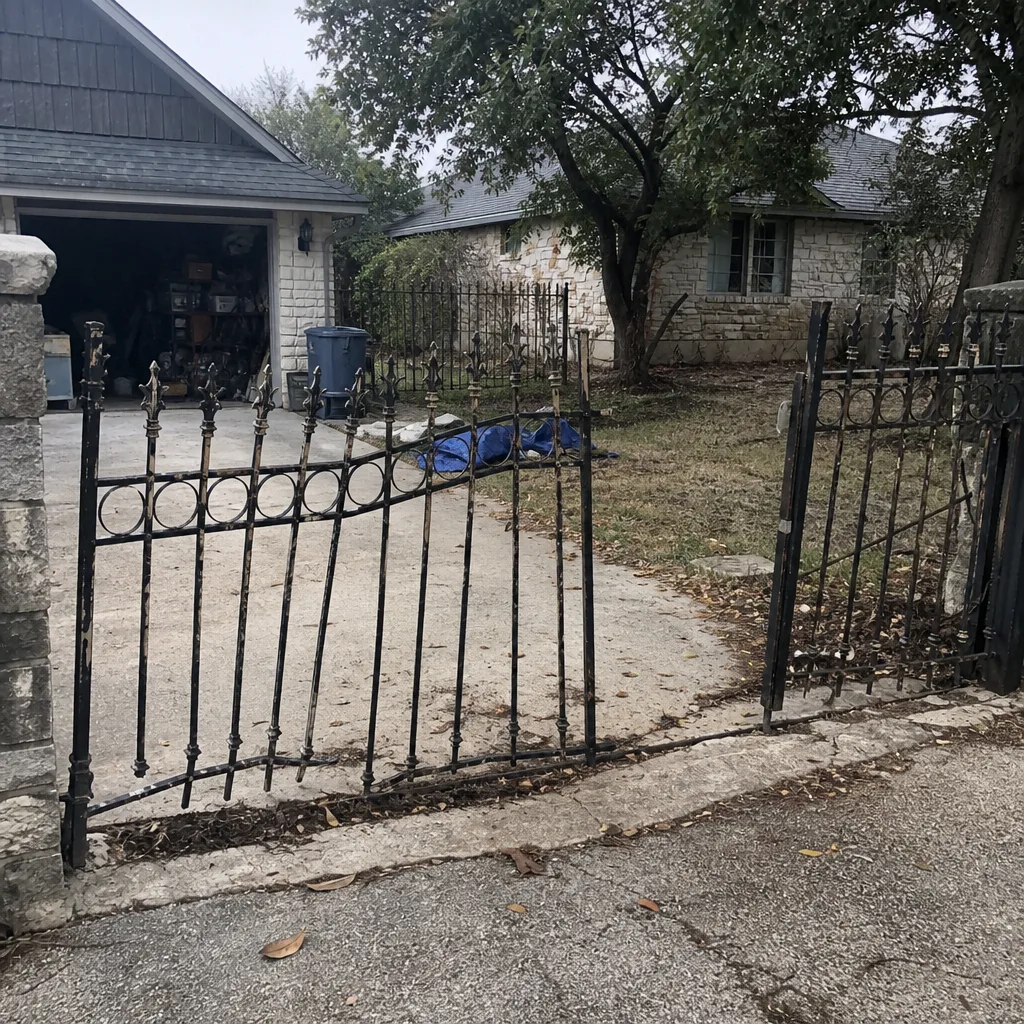 Before
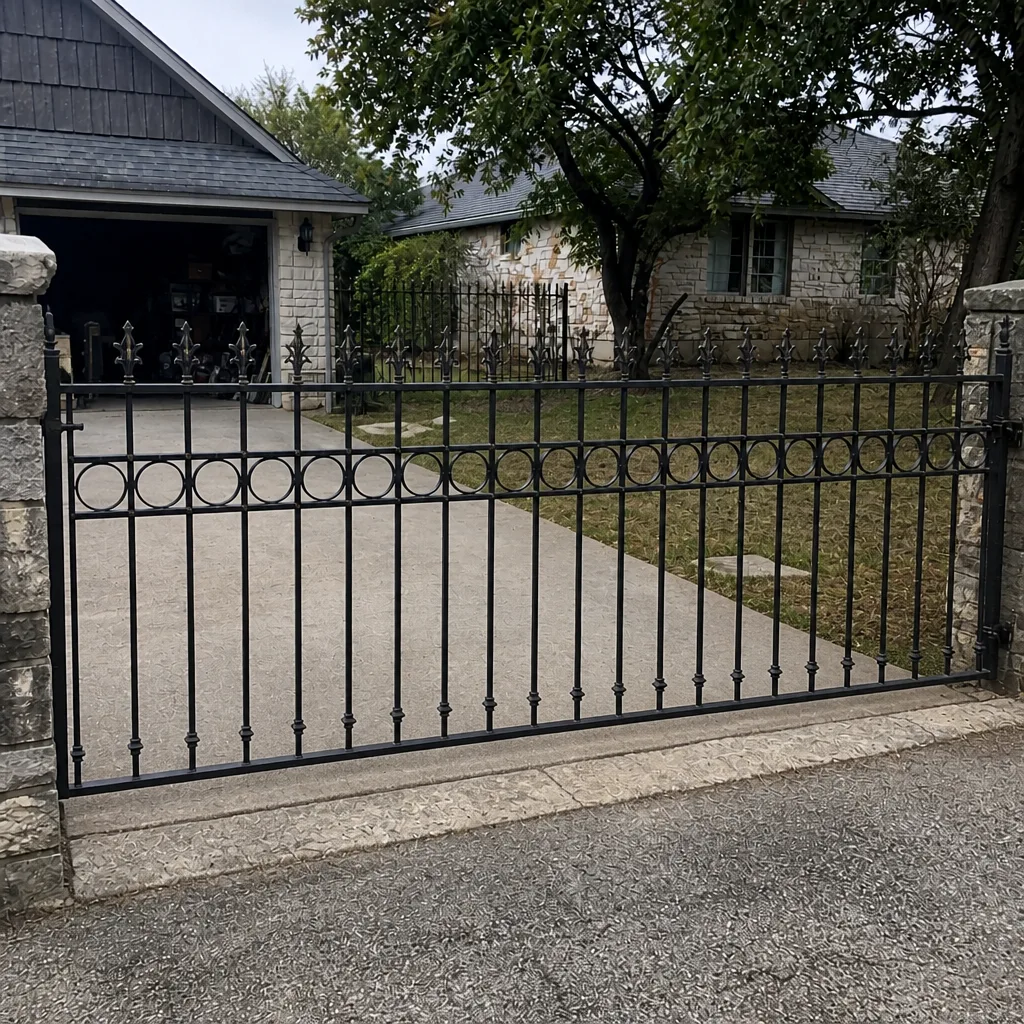 After
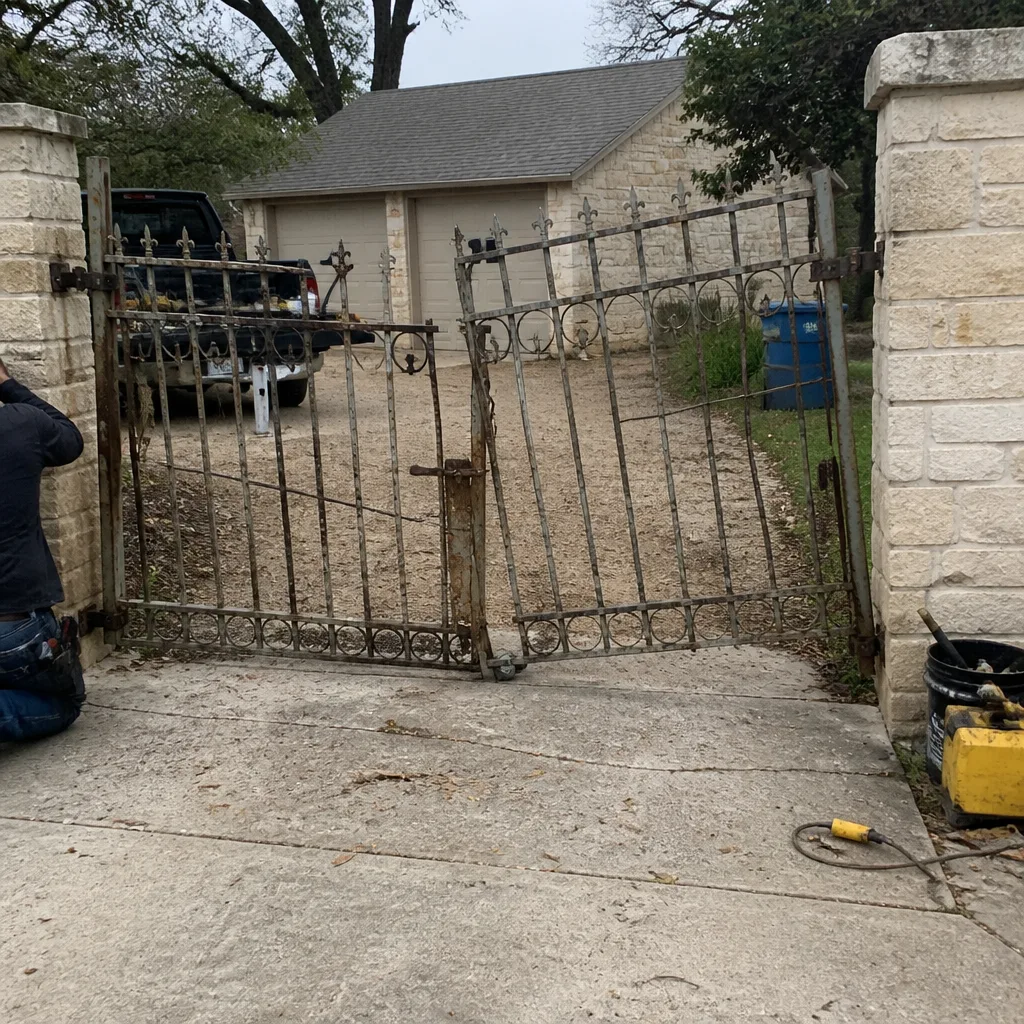 Before
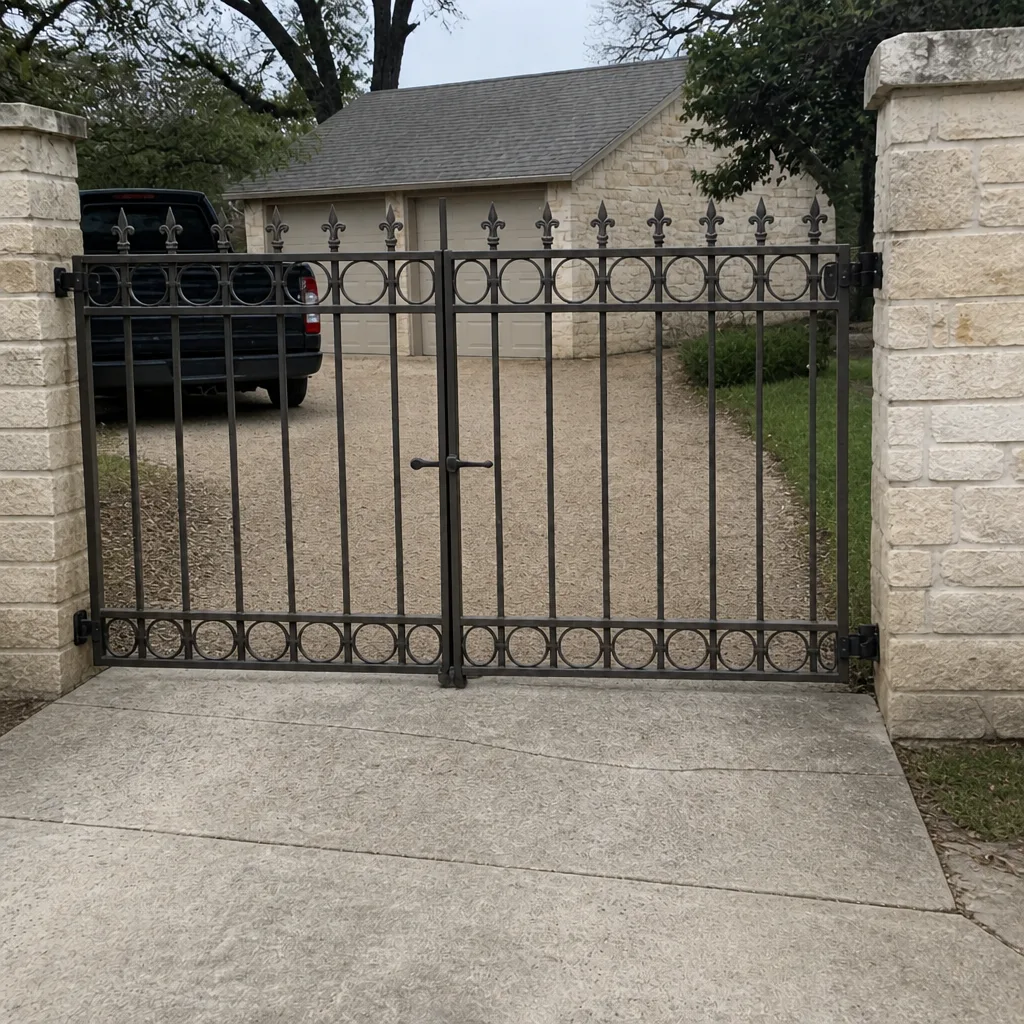 After
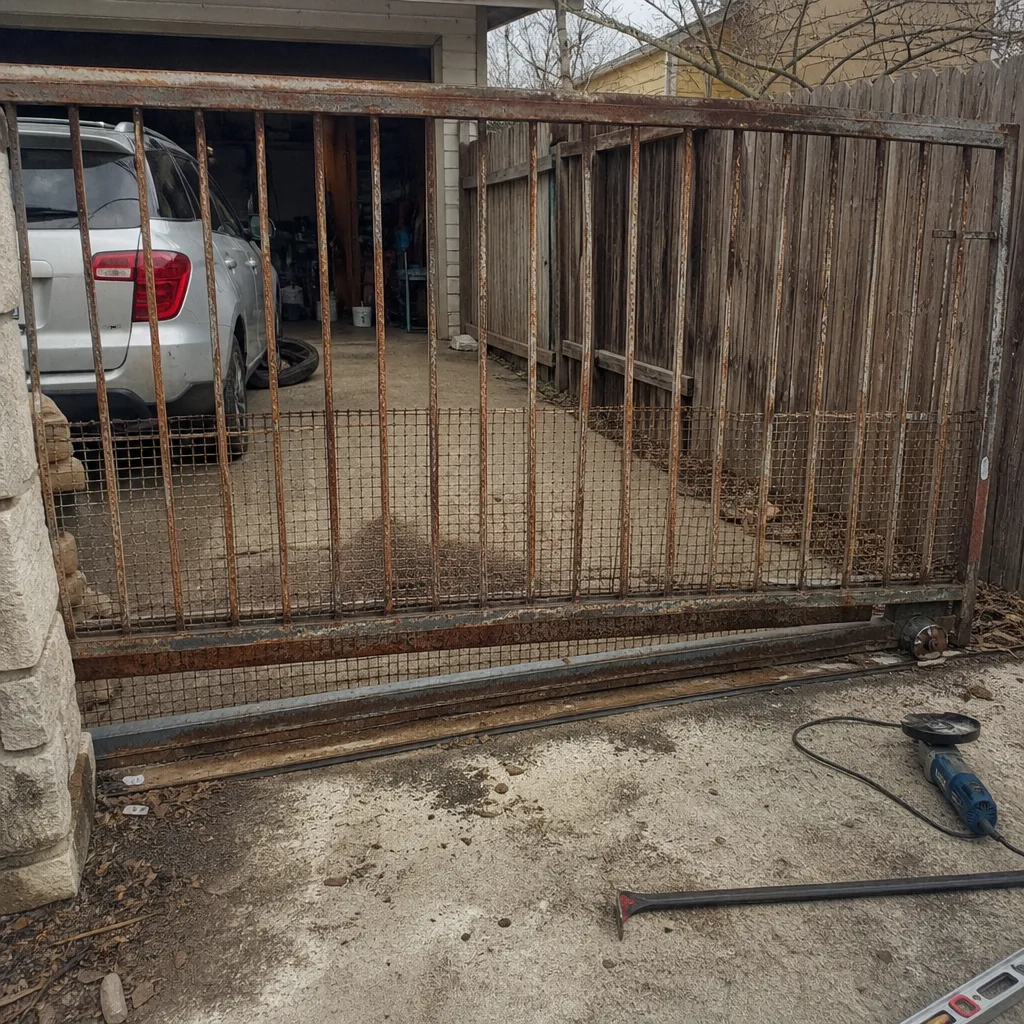 Before
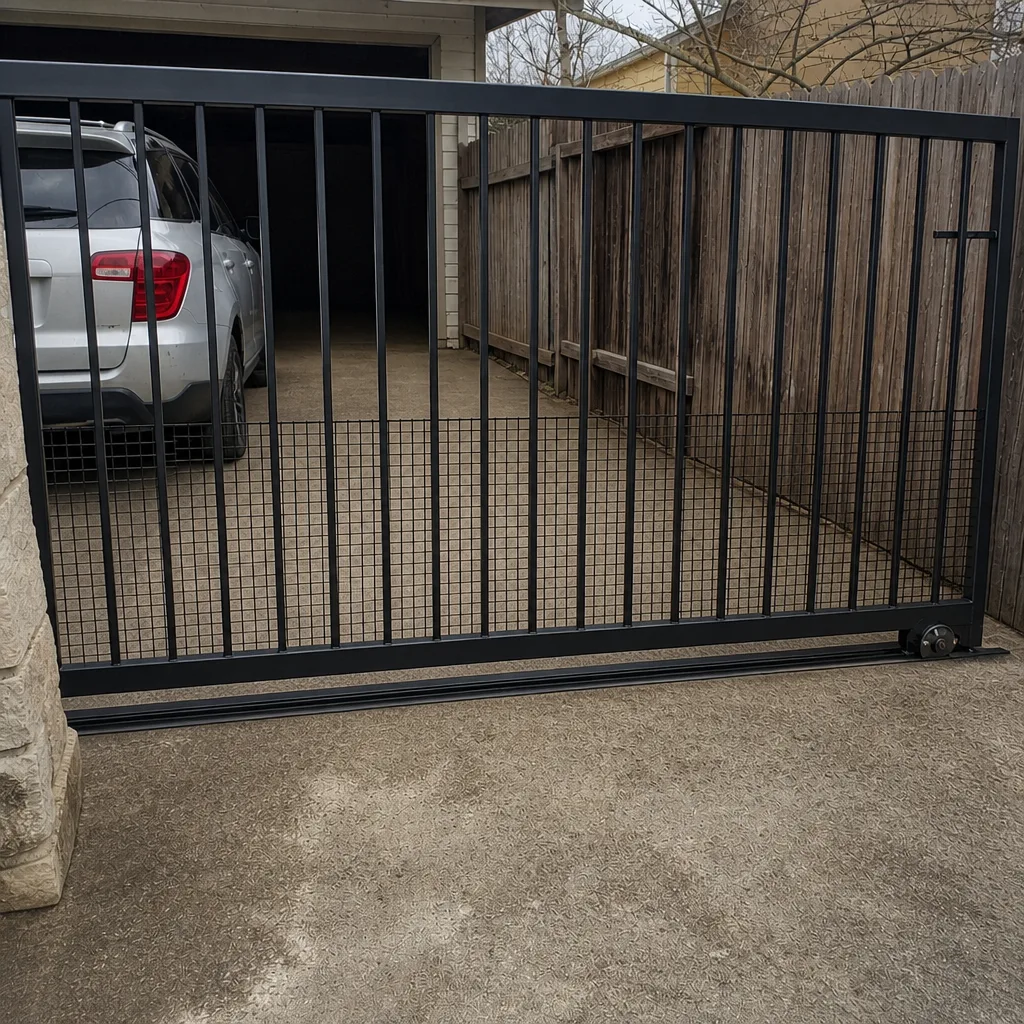 After
When to Call a Professional
Some checklist items belong to the technician, and it’s worth knowing when to stop and make the call. Call us if any of the following apply: the safety reversal or safety edge fails the 30-day test more than once; the operator won’t respond consistently to remotes or commands; the gate cycles on its own or stops mid-travel without an obvious obstruction; you see bulging capacitors, burnt traces, or corrosion on the control board; or the gate posts have any movement. These are the situations where a Round Rock gate owner is most likely to turn a small repair into a larger one by continuing to cycle the gate. Gate Repair Round Rock offers free estimates in Round Rock – call (888) 853-0490.
We also recommend a technician visit whenever you take on a new-to-you property with an automatic gate that has no maintenance history. Walking through the full checklist with someone who knows what to look for is the fastest way to know the real condition of your gate and operator, and it gives you a baseline for the schedule going forward. Whether it’s a residential driveway gate running a Mighty Mule operator or a commercial access system on a Viking or Elite unit, the checklist is the same and the diagnosis is the starting point.
For a full breakdown of the repair services behind this checklist, see gate repair and Gate Repair Round Rock. If you’re in one of the surrounding communities, our overview of Round Rock and the surrounding area is the best place to start.
Frequently Asked Questions
Every 30 days. UL 325, the safety standard for automatic gate operators, calls for functional reversal testing at that interval, and it’s the most commonly skipped item on any gate maintenance checklist. Place a solid object in the gate’s path and trigger a close cycle – the gate must stop or reverse on contact. If it doesn’t, don’t use the gate again until a technician has looked at it. Call (888) 853-0490 for a free estimate.
Round Rock summers above 100°F shorten the life of nylon rollers and control board capacitors, so both need more frequent attention here than a standard guide suggests. Inspect rollers monthly through summer instead of quarterly, and make the annual control board inspection a priority. If you want us to set up a Round Rock-specific schedule, call (888) 853-0490 – estimates are free.
You can lubricate hinge pins, pivot points, and latches yourself with light machine oil or lithium grease. Chain drives need a chain-specific lubricant, and you should never lubricate safety edges, photocell lenses, control boards, or track channels that are meant to run dry. If you’re unsure which type of track or chain you have, we can walk you through it. Call (888) 853-0490 for a free estimate on a one-time lubrication and inspection visit.
After hail, inspect photocell lenses for cracks or pitting. After high wind, clear debris from track channels and re-check hinge torque. After a nearby lightning strike, test the safety reversal and confirm the operator responds to commands. If it’s behaving erratically, stop cycling the gate and call for diagnosis. Call (888) 853-0490 – estimates are free.
Visual inspection and routine lubrication are typically fine. Opening the control board, adjusting limit switches incorrectly, rewiring safety sensors, and using non-approved lubricants can each void coverage on the affected components. If you’re unsure where a task falls, ask a technician before you do it. Call (888) 853-0490 for a free estimate on a warranty-safe inspection.
The checklist items are the same, but the frequencies are tighter because commercial gates cycle far more often and a failure blocks tenant access. Loop detector sensitivity and safety sensor testing in particular should be run at the shortest interval your traffic justifies. We handle both residential and commercial systems – call (888) 853-0490 for a free estimate on a commercial gate inspection.
The Bottom Line
A gate maintenance checklist is two lists, not one – mechanical tasks monthly to quarterly, and electrical safety testing every 30 days. The electrical half is the half most owners skip, and it’s the half UL 325 actually mandates. In Round Rock, the 100°F-plus summers make roller and capacitor inspection more urgent, and Central Texas storms make a post-event inspection part of the routine. Run the schedule, match lubricants to the parts, don’t touch the electronics unless you know what you’re doing, and call for anything on the technician list. Your gate will last longer and your safety system will actually work when it needs to.
General Tip
Keeping a simple log of when you last tested the safety reversal and when you last inspected the rollers will tell you more about your gate’s health than any single inspection. It also gives a technician a clear starting point if something starts acting up, which makes the diagnosis faster and the repair more focused. Five minutes of record-keeping every month pays for itself the first time you need a real repair.
If you’re ready to get your gate on a maintenance schedule or need a diagnosis of something that’s already misbehaving, give us a call and we’ll get you back up and running.
Call (888) 853-0490. We answer 24/7. Fast dispatch, 7am-7pm, Sunday through Friday. The estimate is free, and the price is quoted and agreed before any work starts.
Written by the team at Gate Repair Round Rock.