
Last updated November 15, 2026
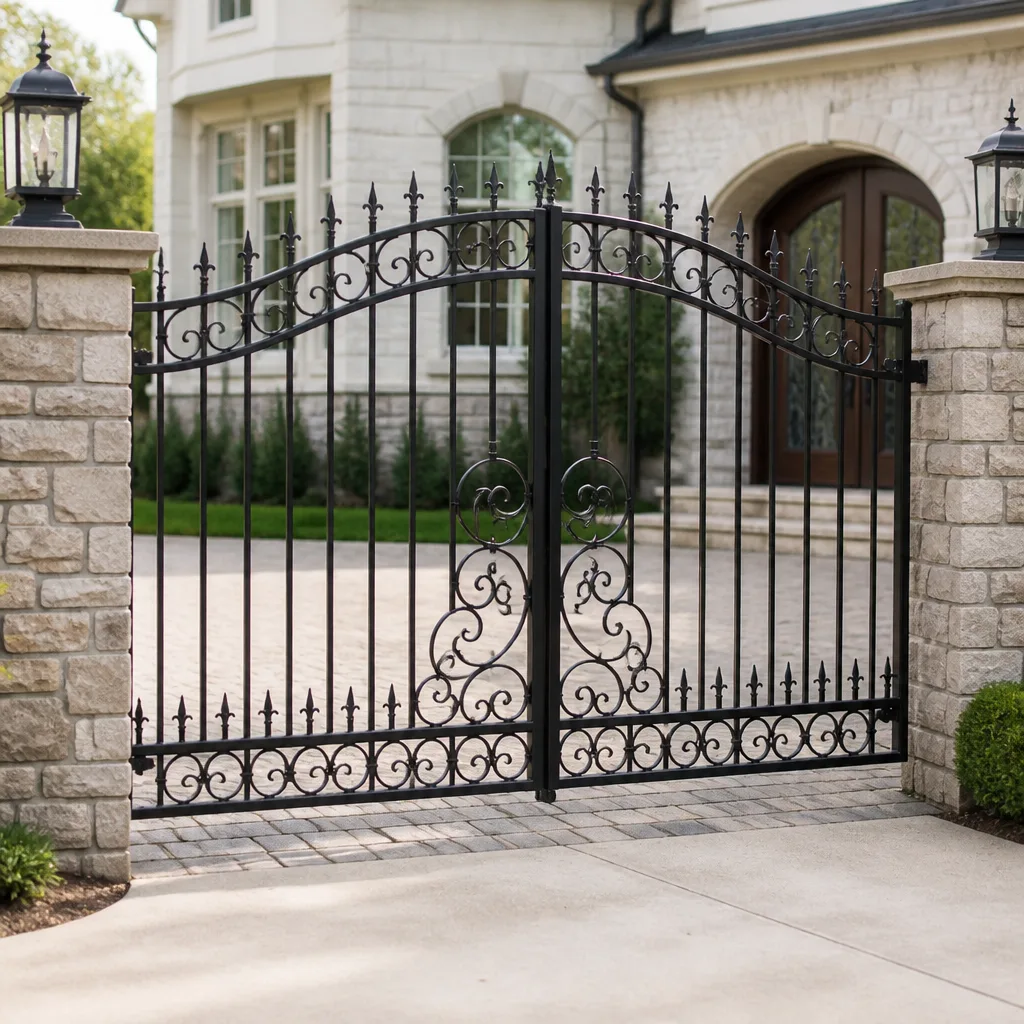 Wrought iron
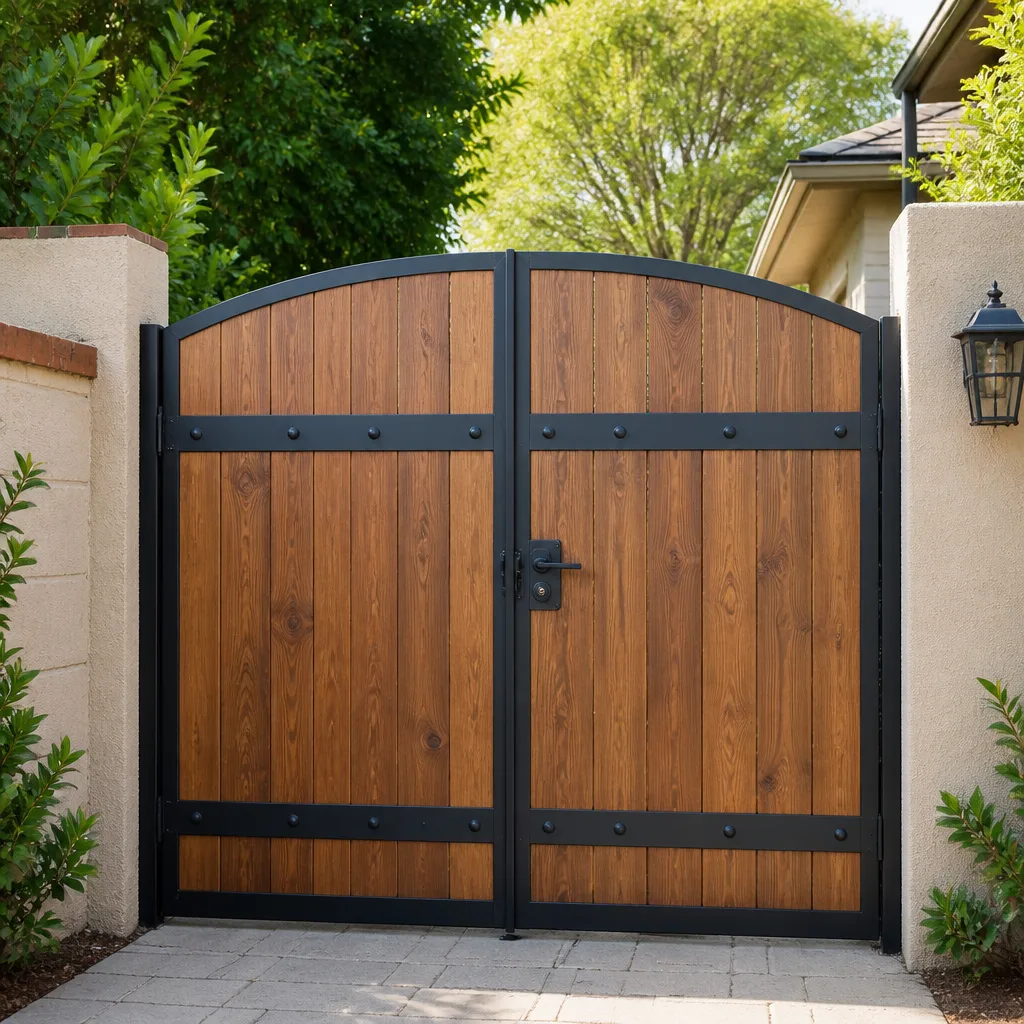 Wood & steel frame
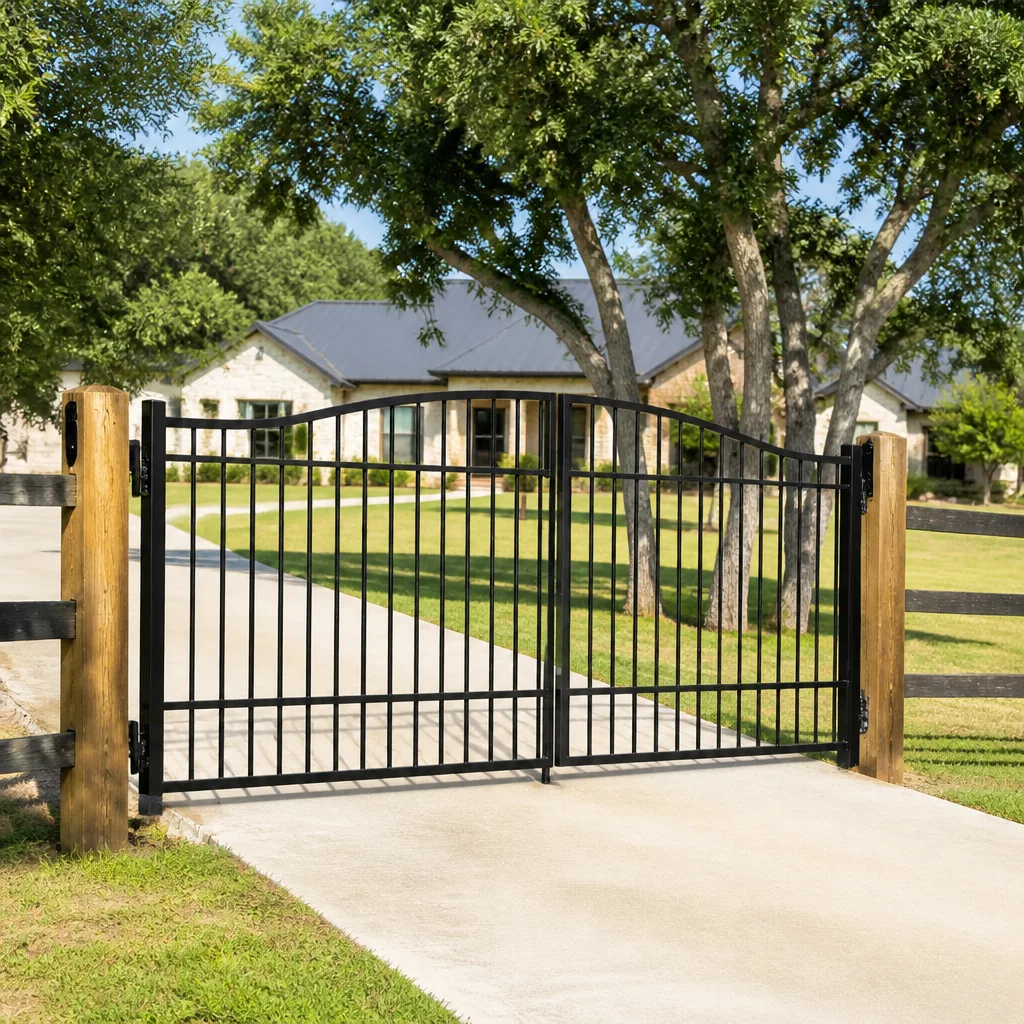 Farm & ranch
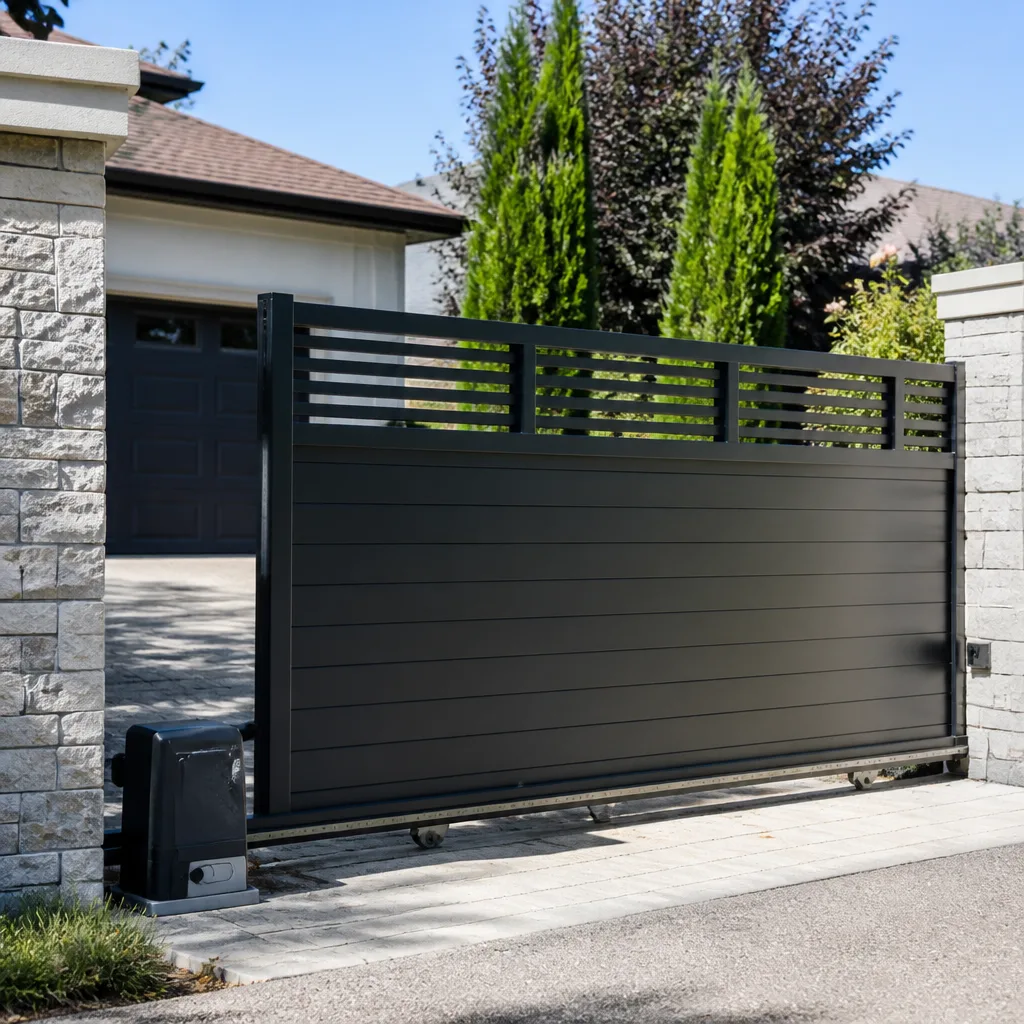 Sliding driveway gates
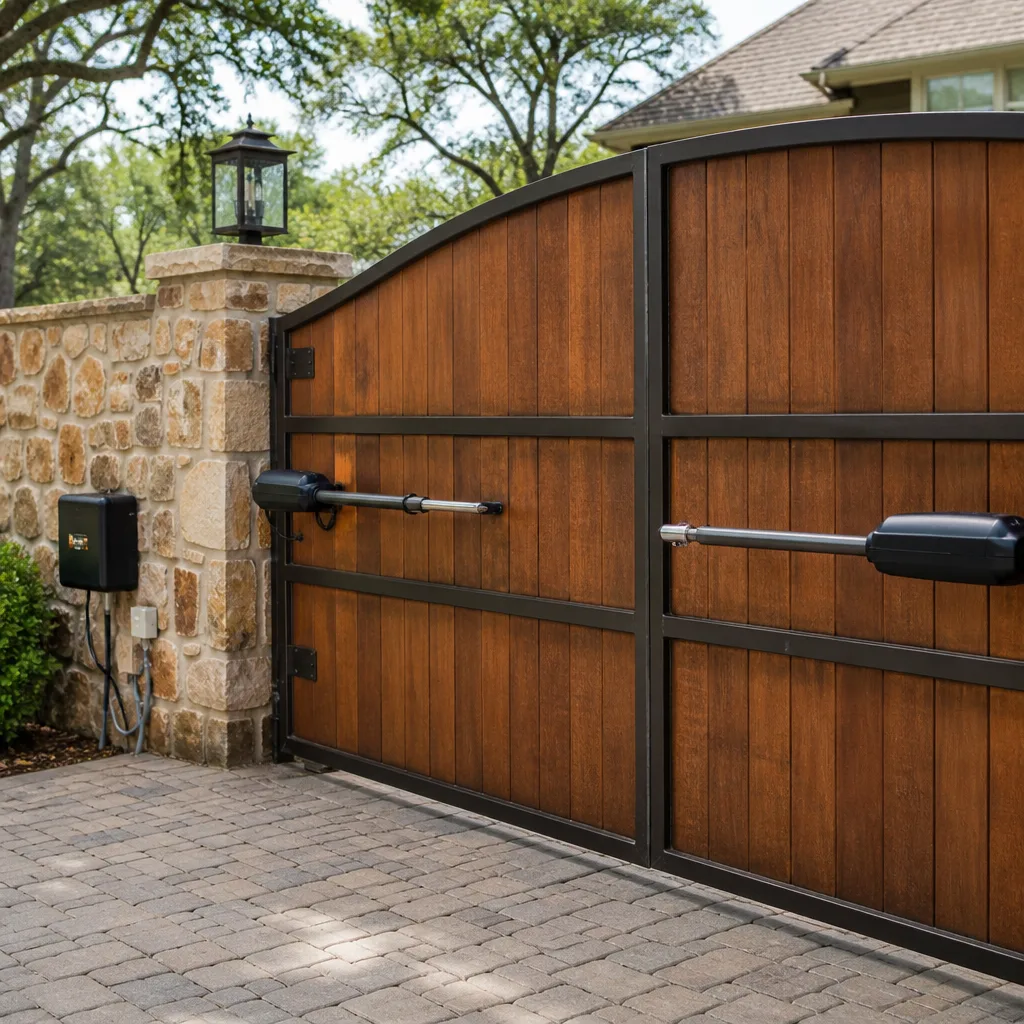 LiftMaster operators
Free on-site gate assessment - hinges, posts, and your LiftMaster or Nice gate operator checked before anything is quoted
The assessment is free and the quote is the invoice.
Get your free estimateThe Complete Guide to Gate Repair in Round Rock
A gate that reverses before it closes usually isn’t a mechanical failure at all. Nine times out of ten, a misaligned safety sensor or a logic setting on the control board is telling the operator to back off, and the hinges and motor are fine. Homeowners in Round Rock spend good money chasing that symptom through three service visits before anyone checks the sensor alignment. That’s the pattern we want to break with this guide. Below, we map nearly every gate failure to one of four root causes, explain how the clay soil and the specific gate styles around Round Rock change the repair, and give you a triage list you can run before you pick up the phone.
Quick Answer
Most gate failures in Round Rock fall into four root-cause categories: mechanical wear (hinges, rollers, tracks, latches), electrical or control-board failure (motors, boards, wiring, safety sensors), structural damage (posts, frames, welds), and operator misconfiguration (limits, force settings, remotes, access control). Identifying which category you’re dealing with is what separates a small parts fix from a job that needs a dedicated electric gate technician. A proper diagnosis first, then a written estimate, is how you avoid paying to fix the same symptom twice.
Styles & brands we work with
- Wrought iron
- Wood & steel frame
- Farm & ranch
- Sliding driveway gates
- LiftMaster operators
Table of Contents
- The Four Root Causes of Gate Failure
- Gate Types in Round Rock Neighborhoods
- How Clay Soil Causes Post Shift (and Why It Looks Like a Hinge Problem)
- Electric Gate Repair: When It’s the Motor and Board
- HOA Specs and Williamson County Compliance
- The Pre-Call Triage Checklist
- Repair or Replace: How to Decide
- What Gate Repair Costs in Round Rock
The Four Root Causes of Gate Failure
Every gate problem we look at in Round Rock traces back to one of four categories. Get the category right and the fix is usually clear. Get it wrong and you’re paying to replace good parts.
1. Mechanical wear. Hinges sag, rollers flatten, tracks bend, latches stop catching. This is normal wear on a gate that swings or slides hundreds of times a day. The tell is a gate that still runs but catches, drags, or hangs at an angle. A worn hinge is a small part. A gate that sags because the post moved is a different story, which we cover below.
2. Electrical and control-board failure. The motor won’t run, runs one direction only, or stops mid-travel. Control boards fail from power surges, moisture, and insect intrusion into the enclosure. Safety sensors go out of alignment or fail. Access keypads and remote receivers lose their programming. This is the category most generalists won’t touch, and it’s a big reason we treat electric gate repair as its own discipline.
3. Structural damage. Bent frames, cracked welds, twisted tracks, posts pulled out of the ground. A car clip, a wind gust on a wide ornamental steel gate, or soil movement can all do this. Structural damage has to be corrected before any motor or hinge work will hold.
4. Operator misconfiguration. The gate is mechanically and electrically sound but the operator’s limits, force settings, or travel are wrong. This happens after a power outage, a board replacement, or a well-meaning DIY adjustment. The gate “acts up” but nothing is broken.
Once you know which category you’re in, the next question is what kind of gate you actually have, because the material changes the approach.
Gate Types in Round Rock Neighborhoods
Round Rock’s gate styles split roughly into three families, and each one fails in its own way. Matching the repair method to the material is half of doing the job correctly the first time.
Wrought iron swing gates
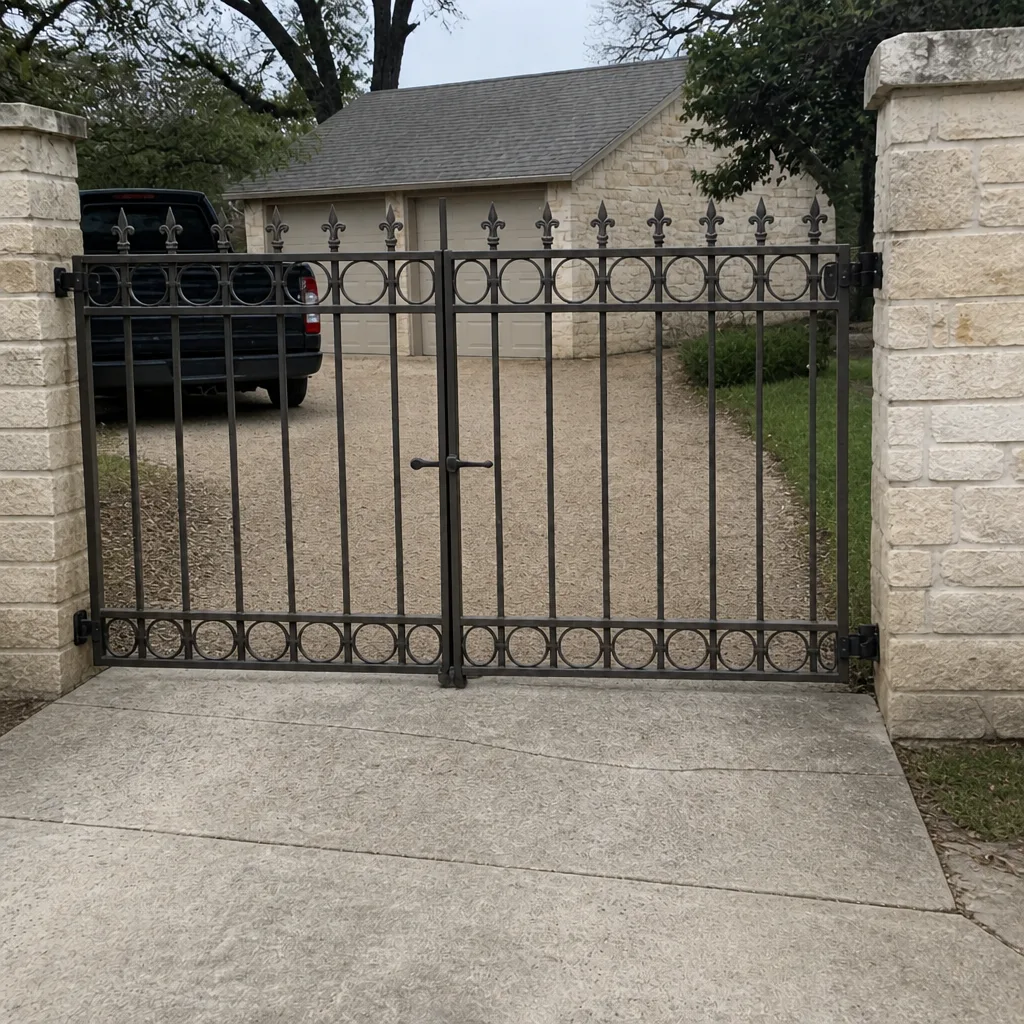
These are the classic residential driveway gate around Round Rock. Heavy, decorative, and usually on a swing operator. The failure points are the hinges, the post the gate hangs on, and the operator arm. Wrought iron doesn’t flex much, so when the post shifts, the gate binds hard rather than giving. Repairs mean welding, hinge replacement, and sometimes resetting the post footing.
Sliding aluminum gates
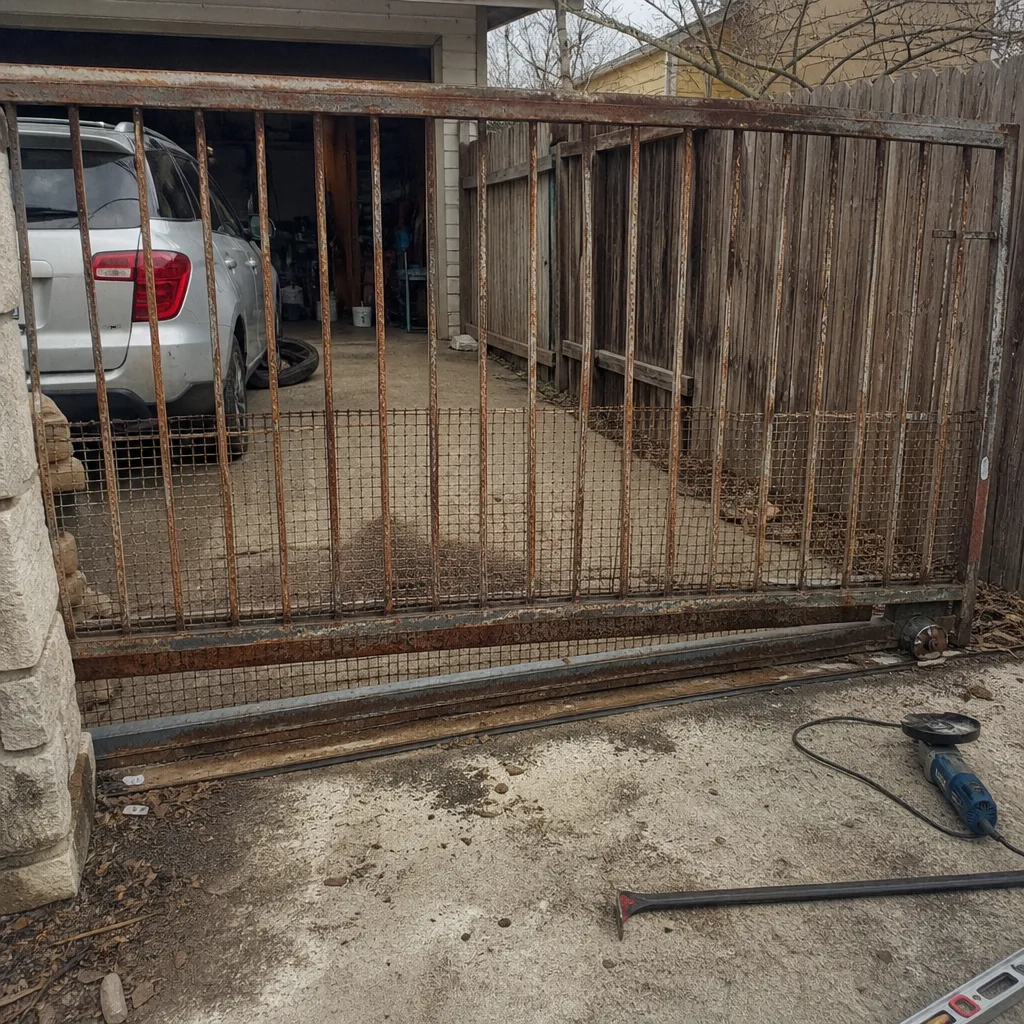
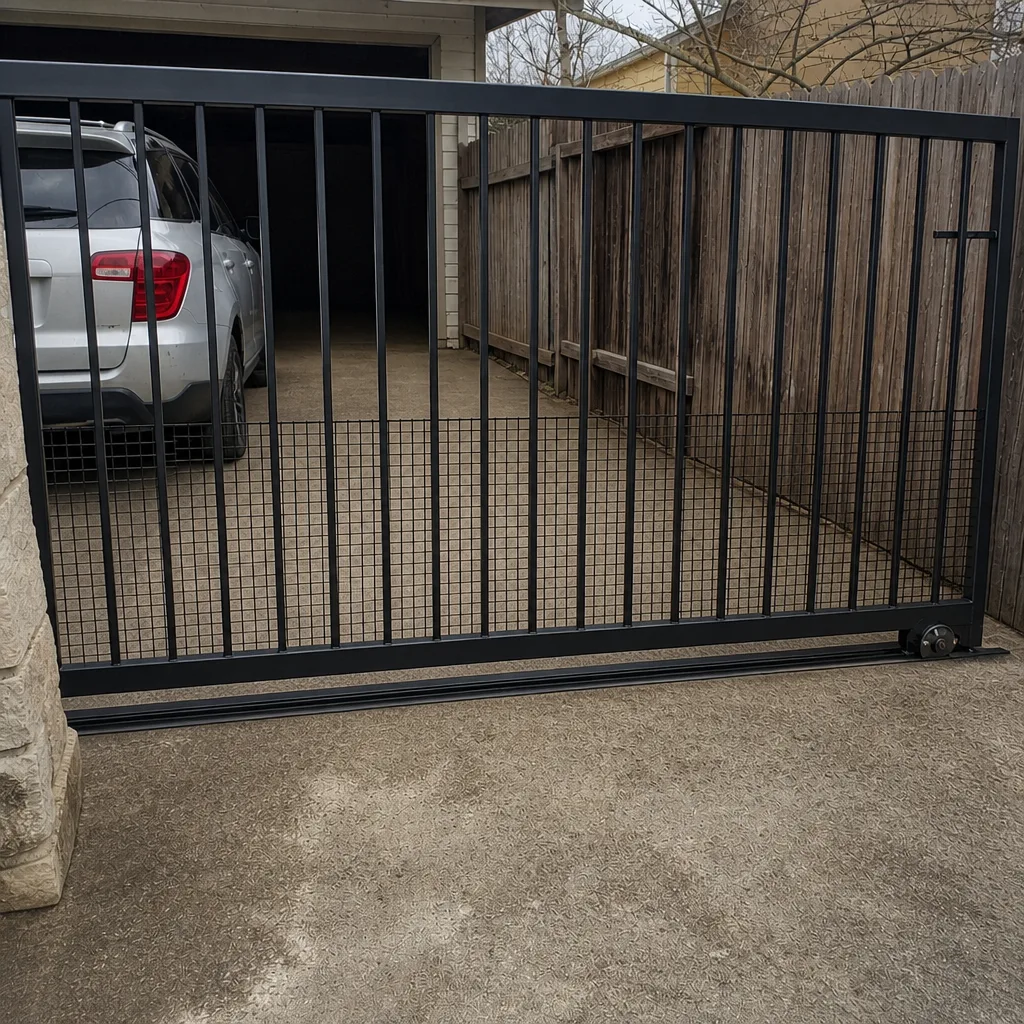
Sliding gates are common on properties with a longer driveway and limited swing clearance. They ride on a track and rollers, and the track is the weak link. Debris, ground settling, and heavy use wear the track and flatten the rollers. A sliding gate that jumps or grinds is usually a track and roller job, not an operator job.
Ornamental steel and commercial gates
Property managers and business owners around Round Rock run ornamental steel swing and slide gates on commercial access systems. These are heavier, often on high-cycle operators, and frequently tied into access-control hardware like card readers and keypads. Repairs here need to account for the operator, the access wiring, and the gate structure together.
One more variable sits underneath all three: the ground the posts are set in.
How Clay Soil Causes Post Shift (and Why It Looks Like a Hinge Problem)
Round Rock sits on heavy clay soil, and that clay swells when it’s wet and shrinks when it dries. Over a few seasons, that movement works on gate posts. A post that was set correctly can lean a fraction of an inch, and on a heavy swing gate a fraction of an inch is enough to bind the hinge and make the gate drag.
Here’s the trap. The symptom looks exactly like a worn hinge. The gate sags, the latch won’t line up, the operator strains. So a homeowner replaces the hinge, the gate works for a month, and the sag comes back. The hinge was never the problem. The post moved and the footing needs to be reset before anything else will hold.
Our mild winters don’t help as much as people expect. The issue isn’t freeze and thaw in Round Rock, it’s the wet season and dry season cycle that keeps the clay moving. When we look at a sagging gate, we check the post plumb and the footing before we touch a hinge. That single step is the difference between a fix that lasts and a repeat visit.
How to tell the difference:
- A worn hinge sags at the hinge itself, and the post stays plumb.
- A shifted post has the whole gate leaning with it, and the post won’t read plumb against a level.
- If the gate binds in one spot in its swing and frees up elsewhere, suspect the post geometry, not the hinge.
- If the gap at the latch closes on one side and opens on the other as the gate moves, the post has moved.
Structural correction comes first. Operator and hinge work comes after, or it’s money spent on the symptom.
Electric Gate Repair: When It’s the Motor and Board
Electric gate repair is its own skill set. A gate can look fine and still fail because the operator, the control board, the sensors, or the access wiring is at fault. We work across the major residential and commercial operators, including LiftMaster, FAAC, BFT, and Linear systems, and the troubleshooting path is similar across all of them.
The most common electrical failures we see:
- Won’t move at all. Dead motor, tripped breaker, failed control board, or a safety sensor holding the gate open.
- Moves one direction only. Usually a limit switch or a board issue, sometimes a reversed wiring connection.
- Reverses before closing. Misaligned or dirty safety sensors, or a force setting that’s too low. This is the most misdiagnosed gate problem there is.
- Stops mid-travel. Overheating motor, binding gate pulling too much current, or a board fault.
- Keypad or remote won’t work. Receiver, programming, or access-control wiring.
Safety note. The operator and its wiring carry line voltage, and the panels on a sliding or swing gate are heavy enough to crush. Don’t open the operator enclosure or disconnect safety edges to “test” them yourself. A safety edge or photo-eye that’s been disabled or bypassed is exactly what turns a small fault into an injury. That work belongs with a trained technician.
The access-control side matters too. Commercial gates tied into keypads, card readers, and intercoms fail in ways that involve both the operator and the access hardware. Handling the whole system is why we cover gate repair and the electrical side together rather than sending you to a second contractor.
HOA Specs and Williamson County Compliance
Many Round Rock neighborhoods sit under HOA rules that specify gate style, height, color, and placement. That’s worth knowing before a repair, because a fix that’s fine mechanically can still create an HOA problem if the gate ends up looking different from the spec or the operator placement changes the swing.
For most repairs, like a hinge, a roller, or a board, nothing needs to be filed. Where it gets tricky is when a repair crosses into replacement of a gate panel, a change in gate height, or a new operator and posts. That’s when you check with the HOA and with the city about permits before the work starts.
What to confirm before a structural repair or replacement:
- Ask your HOA whether the gate style, material, and color are specified and whether a repair or replacement needs approval.
- Ask the City of Round Rock’s building department whether a permit is required for the post, footing, or gate replacement. Most cities require a permit for structural work on a fence line or access gate, so confirm rather than assume.
- If the gate sits on a commercial property, confirm the property manager’s sign-off and any site-specific access rules.
- Keep the written approval on file so a later owner or manager doesn’t have a surprise.
None of this is a reason to overcomplicate a hinge replacement. It’s a reason to know where the line is between a repair and a structural change, and to ask before you cross it.
The Pre-Call Triage Checklist
Before you call anyone, run this list. It won’t fix the gate, and it’s not a substitute for a technician, but it separates the problems you can address from the ones that need a professional. It also saves you a service call on a gate that isn’t actually broken.
- Is the power on? Check the breaker feeding the operator. A tripped breaker looks exactly like a dead operator.
- Is anything blocking the sensors? Dirt, cobwebs, or a leaf across a photo-eye is a common cause of a gate that reverses or won’t close. Clear the sensor window and test it.
- Does the manual release work? With the operator disengaged (follow the owner’s manual, and don’t do this where the gate could fall), does the gate swing or slide freely by hand? If it binds by hand, it’s mechanical. If it moves freely by hand but not under power, it’s electrical or an operator setting.
- Is the gate leaning, or just the hinge? Read the post against a level. A leaning post is a structural issue.
- Did anything change recently? A power outage, a new remote, a board replacement, or a DIY adjustment can throw the operator’s limits off. That’s a settings problem, not a broken part.
- Is the gate catching in one spot or grinding on the track? That’s mechanical wear at the hinge, roller, or track.
- Is the HOA or a neighbor involved? If the gate is on a shared or commercial access line, know who signs off before work starts.
If two or three of these point to structural damage or the electrical side, stop and call a technician. That’s the boundary where DIY turns into a bigger bill.
Repair or Replace: How to Decide
Not every gate is worth repairing. The honest call depends on the gate’s structure, the operator’s age, and how much of the system is failing at once.
Repair is usually the right call when:
- The gate structure is sound and the problem is one part: a hinge, a roller, a board, a sensor.
- The operator is in good condition and just needs a setting or a single component.
- The post is plumb or can be reset without rebuilding the frame.
Replacement starts to make sense when:
- The frame is bent or the welds are failing in multiple spots and the gate is no longer square.
- The operator is at the end of its life and the rest of the system is close behind it.
- The gate type no longer fits the property or the access needs, or it fails to meet current HOA or site specs.
Where a gate can be saved, we repair it. Where it can’t, we handle new gate installation in the same trade rather than handing you off to a second contractor, so you’re not chasing two people for one result. The decision should be driven by what’s actually best for your gate, not by a single-brand dealership incentive, which is why we work across competing manufacturers instead of pushing one.
What Gate Repair Costs in Round Rock
Costs vary with the gate, the operator, and how deep the fault runs. The most useful thing we can give you is how pricing works, so you can tell the difference between a small parts job and a job that needs a licensed electrician. Every job is quoted per job with a written estimate, and that estimate is the price. Nothing starts until you agree to it.
Typical cost drivers on a Round Rock gate repair:
- Small part replacement (hinge, roller, latch, sensor alignment): the most common and least expensive fix. A parts-and-labor job.
- Control board or motor work: the part itself is the bulk of the cost, plus the electrical labor to fit and program it.
- Safety and access sensors: replacement and realignment, often involved in the reverse-before-close problem.
- Post reset and footing work: when the clay soil has moved the post, this is a structural job before any hinge or operator repair.
- Gate replacement: when the structure is beyond repair, priced as a separate installation with a free measure and a written price.
Three things you won’t get from us: a fee for the estimate, a fee you have to “credit” toward the repair, or a surprise on the invoice. We look at the gate, tell you the category, and write the number down before any work starts. If you want a specific number for your gate, the fastest way is to have us look at it.
Every gate is different enough that a written quote is the only honest answer. Call (888) 853-0490 for a free estimate.
Common Mistakes to Avoid
- Replacing a hinge when the post has moved. The gate sags again within a month because the footing, not the hinge, was the problem. Check the post plumb first.
- Bypassing the safety sensors to “get the gate working.” It solves the symptom and creates a hazard. The gate opens on someone next.
- Assuming a dead operator needs a new motor. A tripped breaker or a failed board looks identical. Confirm the power and the board before buying a motor.
- Ignoring the clay soil when a swing gate binds. Round Rock’s soil moves, and a gate that binds seasonally is telling you the footing is shifting, not the hinge.
- Not checking the HOA or city before a structural change. A replacement that doesn’t match the neighborhood spec can mean a do-over, and structural work usually needs a permit.
- Fixing one brand of operator by guesswork. Different systems, including LiftMaster and FAAC units, have different controller logic. Working across brands is faster than guessing at one.
- Adjusting limits and force settings without knowing the board. The gate “acts up” because the setting is wrong, and a random adjustment makes it worse. That’s a technician’s setting, not a homeowner’s trial-and-error.
See the difference
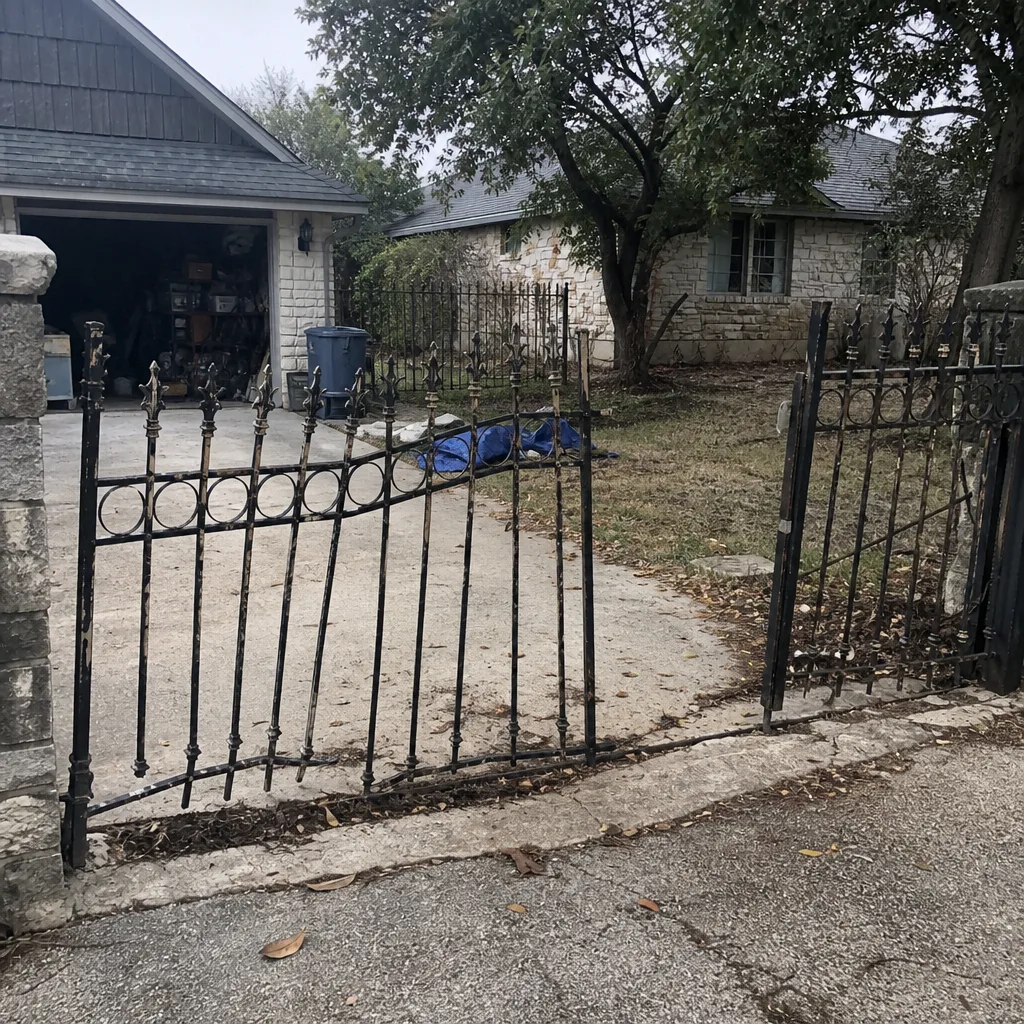 Before
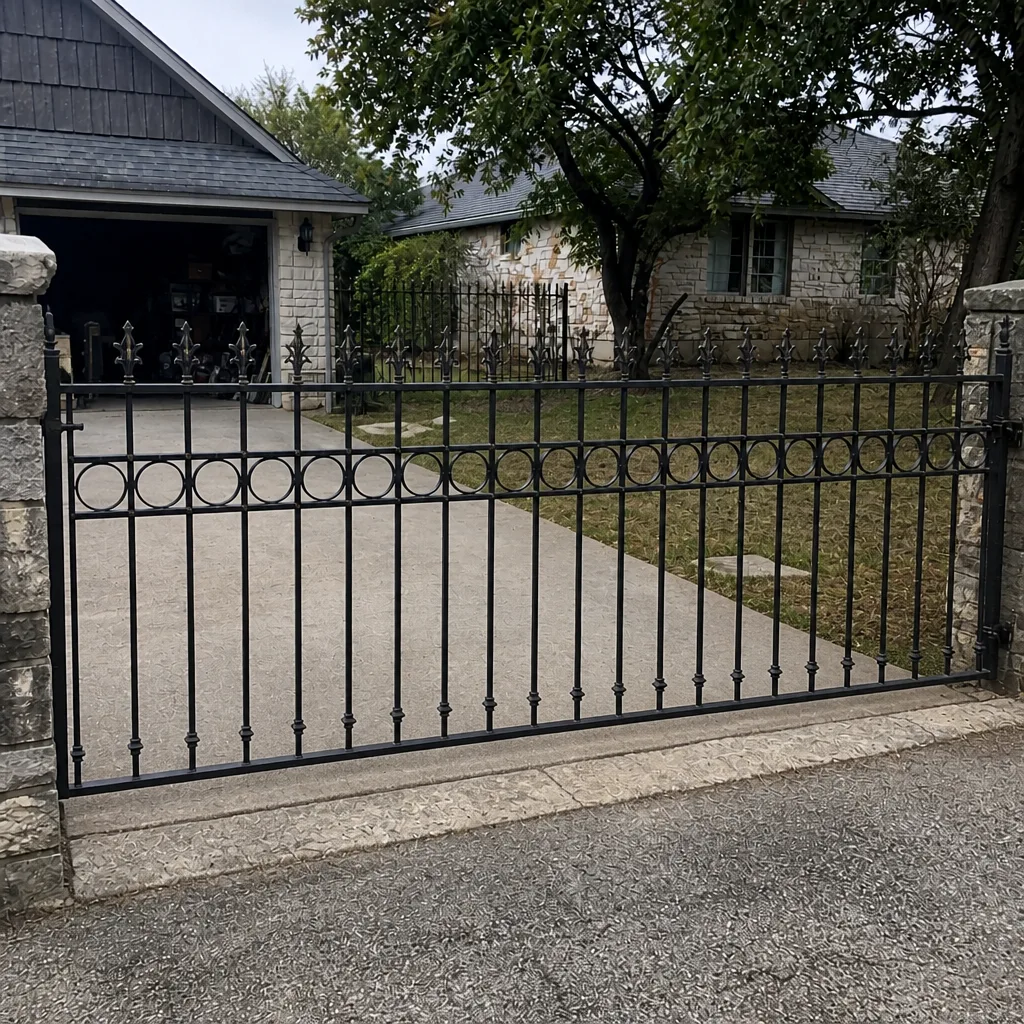 After
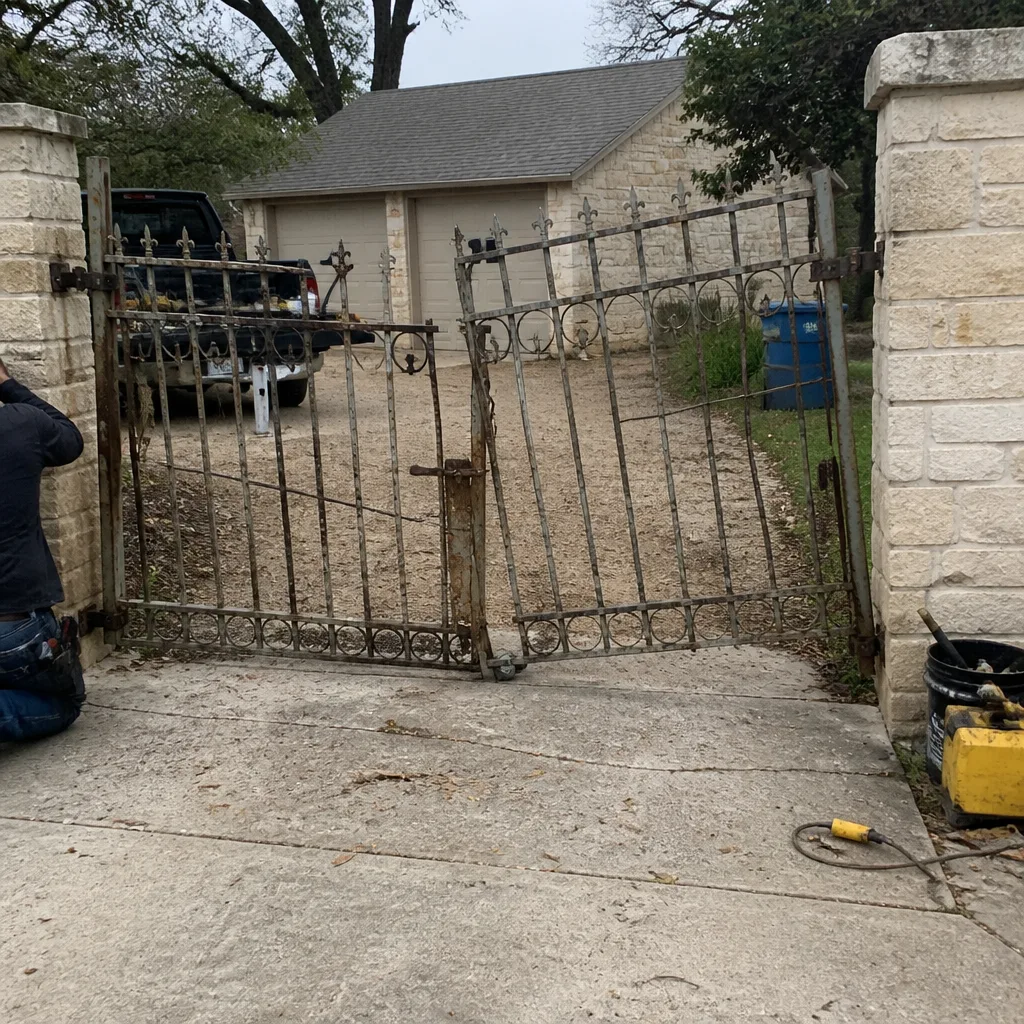 Before
 After
 Before
 After
When to Call a Professional
Call us when the gate is doing any of the following: leaning or binding in one spot (structural), reversing or refusing to close (safety sensors), not running at all (electrical), running one direction only (control board or limits), grinding on the track (mechanical wear), or when the keypad and remotes stop talking to the operator (access-control wiring). Any of those is a job for a trained technician rather than a parts swap. Ours have up to 11 years of experience across residential driveway gates and commercial access systems, and we work on the major operators including LiftMaster, FAAC, BFT, and Linear. We answer 24/7, fast dispatch from 7am to 7pm Sunday through Friday, and we’re closed Saturday. Gate Repair Round Rock offers free estimates in Round Rock. Call (888) 853-0490 to get your gate back up and running.
Frequently Asked Questions
No, usually it’s a safety sensor issue. A misaligned, dirty, or failed photo-eye tells the operator something is in the path, so it reverses to avoid a crush. Clear the sensor lens and check the alignment first, then call a technician if it keeps happening. Call (888) 853-0490 for an exact quote, and estimates are free.
Because the post has moved, not the hinge. Round Rock’s clay soil swells and shrinks over the seasons and works the footing loose, and a heavy wrought iron or steel gate then binds and sags. The footing has to be reset before a new hinge will hold. For an exact quote on a footing job, call (888) 853-0490; estimates are free.
We handle the electric gate repair ourselves, including the motor, control board, safety sensors, and access hardware. That’s the reason we treat it as its own service rather than a side job. If you’re not sure whether it’s the operator or the board, call (888) 853-0490 for a free estimate.
We work across the major residential and commercial brands, including LiftMaster, FAAC, BFT, Linear, Viking, Ghost Controls, DoorKing, Elite, and Mighty Mule. We’re independent, so we recommend what’s best for your gate rather than pushing one manufacturer. Call (888) 853-0490 for a free estimate.
Yes, many repairs can be handled same-day, especially sensor alignments, small parts, and operator settings. Structural work and replacement are measured and scheduled, since those need parts and site approval. Call (888) 853-0490 to find out; we answer 24/7, fast dispatch from 7am to 7pm Sunday through Friday, closed Saturday.
For a repair, no. For a structural change, replacement, or a change in gate height or operator placement, check with your HOA and confirm whether a permit is required with the City of Round Rock’s building department before the work starts. For a free estimate on the job itself, call (888) 853-0490.
The Bottom Line
Nearly every gate problem in Round Rock comes down to four root causes: mechanical wear, electrical or board failure, structural damage, or operator misconfiguration. Naming the category before you spend money is the whole game. A sagging gate that reappears after a hinge swap means the clay soil moved the post, and a gate that reverses before closing is usually a sensor, not a motor. Run the triage list, check the post and the sensors first, and leave the electrical work and structural correction to a trained technician. For a straight diagnosis and a written price before any work starts, a dedicated Gate Repair Round Rock specialist is the right call. Call (888) 853-0490 for a free estimate. We answer 24/7. Fast dispatch from 7am to 7pm, Sunday through Friday.
Written by the team at Gate Repair Round Rock.